6 Best Broadforks for Aeration
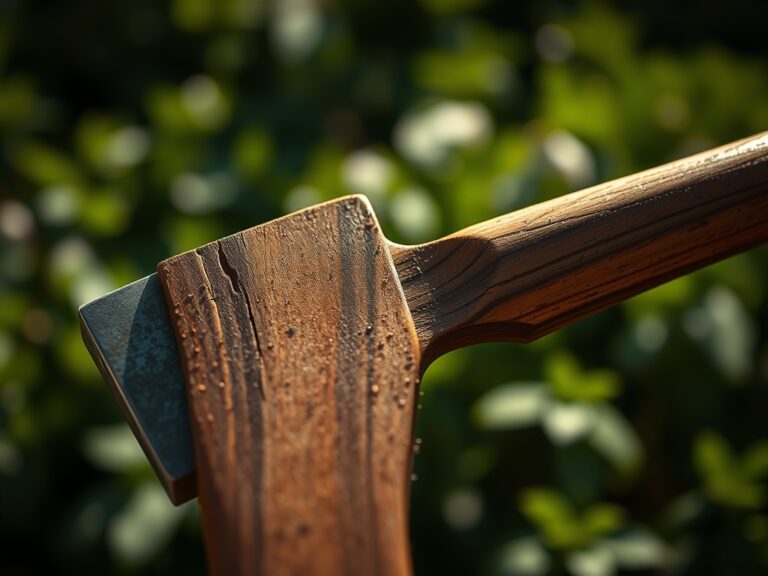
Damp earth releases a sharp, metallic scent as the tines breach the surface. This is the smell of geosmin, a byproduct of Actinobacteria activity within the soil matrix. When you step onto the crossbar of one of the best broadforks for aeration, you are engaging in a mechanical intervention that preserves the delicate soil architecture. Unlike a motorized tiller that pulverizes aggregates and destroys fungal networks, a broadfork lifts and cracks the subsoil. This increases the pore space for oxygen and water infiltration without inverting the horizons. Maintaining high turgor pressure in plant cells requires a root system capable of accessing deep moisture. By fracturing compacted layers, you facilitate downward root migration and gas exchange. The result is a rhizosphere teeming with aerobic life and plants that exhibit superior structural integrity.
Materials:
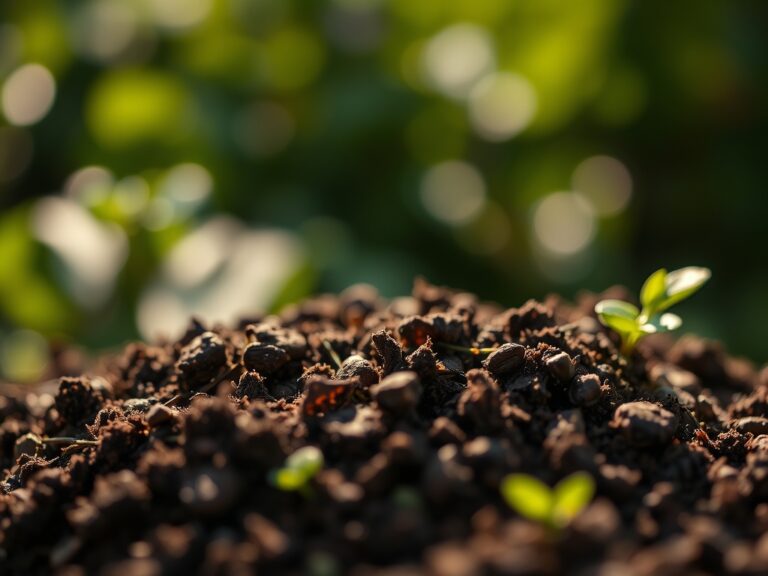
The effectiveness of aeration depends entirely on the substrate composition. An ideal substrate is a **friable loam** with a balanced distribution of sand, silt, and clay. Before selecting a tool, you must understand your Soil Cation Exchange Capacity (CEC). Soils with a **CEC above 25** are typically heavy clays that require high-tensile steel tines to penetrate. For these soils, a broadfork with a **12 inch tine length** is necessary to reach the B-horizon.
Target a soil pH between 6.2 and 6.8 for optimal nutrient bioavailability. In this range, the NPK ratios are most effective. Nitrogen (N) should be managed to avoid leaching, while Phosphorus (P) and Potassium (K) require adequate pore space to move via diffusion to the root hairs. If your soil tests low for Phosphorus, focus on a 5-10-5 NPK ratio during the initial aeration phase. The physical texture should feel gritty but cohesive; it must crumble under pressure rather than smear, indicating the presence of stable aggregates.
Timing:
Timing your aeration coincides with the biological clock of your specific crops. In Hardiness Zones 5 through 7, the primary window for deep aeration opens as the soil temperature reaches a consistent 55 degrees Fahrenheit. This usually occurs two to three weeks before the last frost date. Aerating during the transition from the vegetative stage to the reproductive stage is counterproductive for perennials; instead, perform the lift while the plant is in early spring dormancy.
Observe the photoperiod. As daylight increases, plants initiate rapid root elongation. You must complete your broadforking before this surge to ensure the new roots find an oxygen-rich environment. In Zones 8 and 9, autumn aeration is often superior, as it prepares the soil for winter cover crops and prevents the compaction associated with heavy winter rains. Never aerate saturated soil. If the moisture content is above field capacity, the tines will cause "smearing" along the puncture walls, which actually seals the soil and prevents gas exchange.
Phases:

Sowing
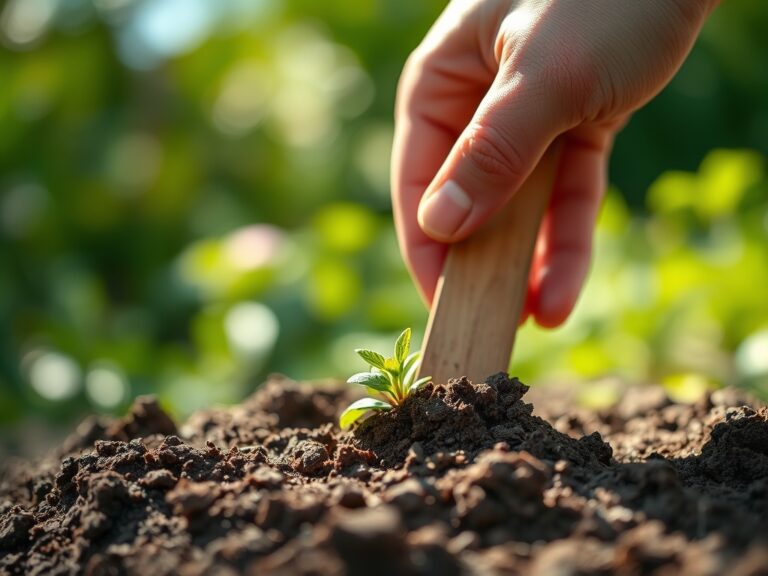
Before the first seed hits the furrow, use a 5-tine broadfork to fracture the bed at 12-inch intervals. This ensures that the radical, the first root to emerge from the seed, can penetrate deep into the earth without resistance.
Pro-Tip: Deep aeration stimulates mycorrhizal symbiosis. By creating air pockets, you allow beneficial fungi to colonize the root zone faster, extending the surface area for water absorption by up to 100 times.
Transplanting
When moving starts from a nursery tray to the field, the soil must be prepared to receive the root ball without air gaps. Use a broadfork to loosen the area, then set the plant. This prevents "J-rooting," where the roots turn upward because they cannot penetrate a hardpan layer.
Pro-Tip: Proper aeration manages auxin suppression. When roots hit a hard compaction layer, the plant sends hormonal signals to the apical meristem to slow growth. Loosening the soil removes this "stress signal," allowing for uninterrupted vertical development.
Establishing
As the crop enters its rapid growth phase, the demand for oxygen in the rhizosphere peaks. A light "surface crack" with a broadfork between rows can break up a crust formed by irrigation or heavy rain. This maintains the flow of carbon dioxide out of the soil and oxygen in.
Pro-Tip: Aeration prevents anaerobic fermentation. In compacted, waterlogged soils, roots are forced into anaerobic respiration, producing ethanol which is toxic to plant tissues and leads to rapid senescence.
The Clinic:
Physiological disorders often stem from poor soil structure rather than pathogens.
Symptom: Interveinal chlorosis (yellowing between leaf veins) on young leaves.
Solution: This is often Iron (Fe) or Manganese (Mn) deficiency caused by high pH or poor aeration. Use a broadfork to introduce oxygen, which helps lower the localized pH around the roots through carbonic acid formation.
Symptom: Stunted growth and "purpling" of the underside of leaves.
Solution: This indicates Phosphorus (P) deficiency. Phosphorus is immobile in the soil. If the soil is compacted, roots cannot reach the P ions. Aerate to a depth of 10 inches to allow roots to expand into the nutrient-rich zones.
Symptom: Blossom end rot in tomatoes or peppers.
Solution: This is a Calcium (Ca) transport issue, not necessarily a lack of Calcium in the soil. It is caused by inconsistent moisture. Aerating with a broadfork improves the soil's "sponge" effect, ensuring a steady supply of water-soluble Calcium to the fruit.
Fix-It for Nitrogen Chlorosis: If older leaves are turning pale yellow, the plant is scavenging Nitrogen from itself. Apply a high-nitrogen organic meal and immediately use a broadfork to "stitch" the nutrients into the top 4 inches of the soil.
Maintenance:
Precision is the hallmark of a master gardener. Monitor your beds with a soil moisture meter to ensure they stay between 60% and 80% of field capacity. Most crops require exactly 1.5 inches of water per week delivered at the drip line to avoid foliar diseases.
Keep your tools in professional condition. Use a hori-hori knife to remove deep-taproot weeds like dandelion that thrive in compacted edges. Clean your bypass pruners with isopropyl alcohol after every use to prevent the spread of vascular wilts. For your broadfork, check the tine alignment annually. If a tine is bent by more than 5 degrees, it will create uneven resistance and diminish the efficiency of your aeration.
The Yield:
Harvesting is a biological climax. For root crops, the ease of harvest is a direct reflection of your aeration efforts. Use a digging fork to lift the soil adjacent to the crop to avoid mechanical damage. For leafy greens, harvest at dawn when turgor pressure is at its maximum. This ensures the cells are fully hydrated, providing a crisp texture.
Post-harvest handling is critical. Remove field heat immediately by submerging produce in 40 degree Fahrenheit water. This slows the metabolic rate and delays the onset of senescence. For flowers, a clean cut with a sharp blade at a 45-degree angle maximizes the surface area of the xylem for water uptake, extending vase life significantly.
FAQ:
How deep should a broadfork penetrate for vegetable beds?
For most vegetable crops, tines should reach a depth of 10 to 12 inches. This fractures the "plow pan" layer, allowing roots to access subsoil nutrients and improving vertical drainage in heavy clay substrates.
Can I use a broadfork on a lawn?
Broadforks are designed for garden beds, not turf. The wide tine spacing and deep penetration will disrupt the root mat of grasses. Use a dedicated hollow-tine core aerator for lawns to remove small soil plugs.
How often should I aerate my garden soil?
Aerate once per year, typically in the spring or fall. Over-aerating can lead to the rapid oxidation of organic matter, which depletes the soil of carbon and reduces the overall Cation Exchange Capacity (CEC) over time.
Is broadforking better than rototilling?
Yes. Broadforking preserves soil aggregates and fungal hyphae. Rototilling shears the soil, leading to a loss of structure, increased surface crusting, and the "awakening" of dormant weed seeds brought to the surface by inversion.