5 Simple Ways How to Maintain Garden Gloves
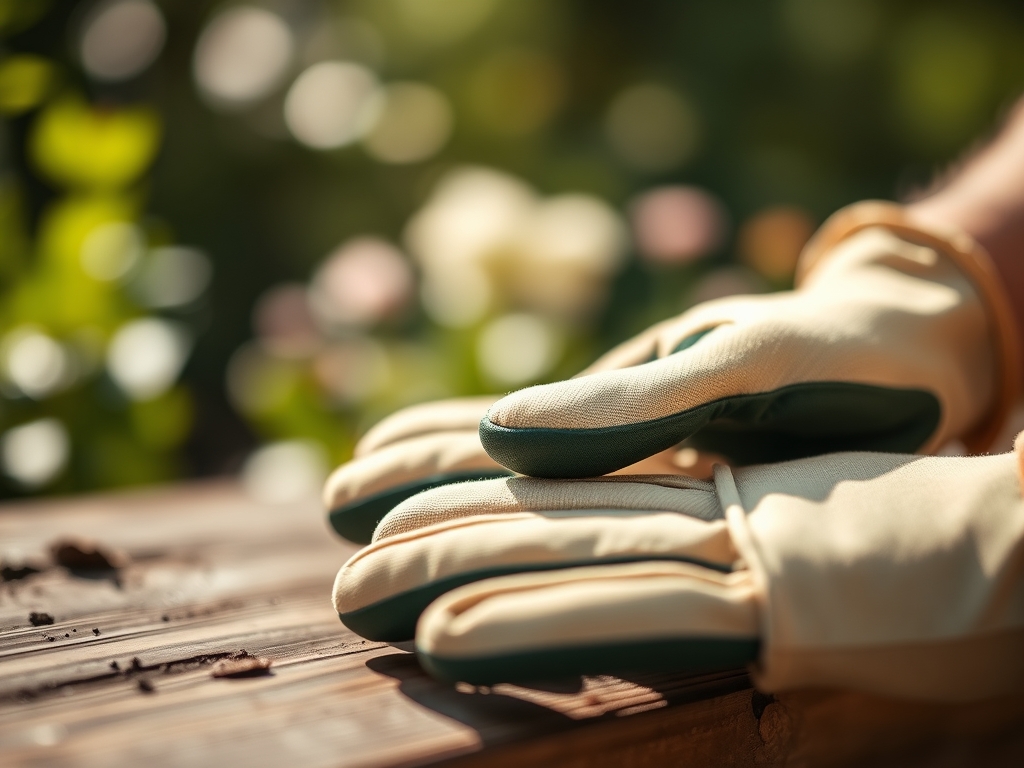
Damp earth emits a sharp, metallic scent of geosmin as the spade breaks the surface. A healthy leaf maintains high turgor pressure; it feels firm and resilient under your fingers. These tactile signals are lost if your equipment fails. Knowing how to maintain garden gloves is not a matter of aesthetics; it is a matter of hygiene and tactile precision. Neglected leather cracks, while synthetic fibers harbor pathogens that can cross-contaminate the rhizosphere of your most sensitive cultivars.
A gardener is only as effective as their interface with the soil. When gloves stiffen from salt buildup or rot from moisture, they lose the dexterity required for delicate tasks like thinning seedlings or grafting scions. Proper maintenance ensures that the barrier between your skin and the soil remains intact, preventing the transmission of soil-borne fungi and protecting the integrity of your hands. This guide provides the technical framework for preserving your primary tools through rigorous cleaning and conditioning protocols.
Materials:
The substrate you interact with dictates the wear on your gloves. A friable loam with a pH of 6.5 is ideal for plant health but contains abrasive silicates that wear down nitrile coatings. If your soil has a high Cation Exchange Capacity (CEC), it likely holds more moisture and minerals, which can accelerate the degradation of organic glove materials like goat skin or cowhide.
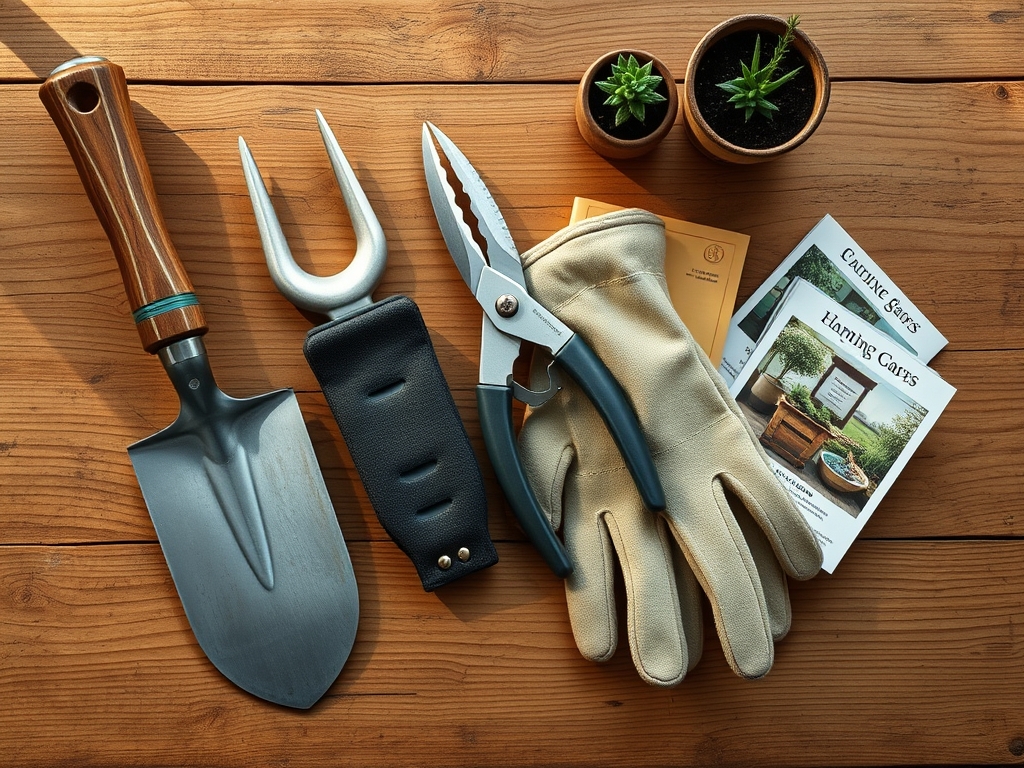
To maintain your equipment, you require specific inputs. For leather, use a pH-neutral saddle soap. For synthetics, a mild detergent with a pH between 7.0 and 8.0 is necessary to avoid breaking down polymer chains. If you are working in soils heavily amended with nitrogen (high NPK ratios like 21-0-0), the urea content can be corrosive. Always have a stiff-bristled nylon brush and neatsfoot oil or beeswax-based conditioner on hand to restore the lipid barrier of leather after it has been stripped by alkaline soil conditions.
Timing:
Maintenance schedules must align with your regional Hardiness Zone. In Zones 3 through 5, where the frost-free window is narrow, glove maintenance should occur weekly during the peak vegetative stage. As plants transition from the vegetative stage to the reproductive stage (the Biological Clock), your contact with the soil often increases.
In Zones 8 through 10, high ambient humidity accelerates the growth of anaerobic bacteria inside the glove lining. During the summer solstice, when the photoperiod is at its maximum, sweat and moisture accumulation require daily drying. Never store gloves in direct sunlight; UV radiation causes polymer degradation and makes leather brittle through rapid desiccation.
Phases:
Sowing
During the sowing phase, precision is paramount. Use lightweight nitrile-coated gloves to handle small seeds. After each session, wipe the fingertips with a 70% isopropyl alcohol solution to prevent the transfer of damping-off pathogens like Pythium.
Pro-Tip: Maintaining clean gloves during sowing prevents the disruption of phototropism in emerging seedlings. Residual oils or salts on dirty gloves can transfer to the seed coat, potentially inhibiting the chemical signals required for the radicle to emerge.
Transplanting
Transplanting involves direct contact with the rhizosphere. Your gloves will accumulate wet soil and organic matter. Immediately after transplanting, rinse synthetics in cool water. For leather, use a dry brush to remove the bulk of the soil before it dries and draws moisture out of the hide.
Pro-Tip: Clean gloves protect mycorrhizal symbiosis. By ensuring your gloves are free of residues from previous beds, you avoid introducing antagonistic fungi that could compete with the beneficial arbuscular mycorrhizae necessary for nutrient uptake in the new transplant.
Establishing
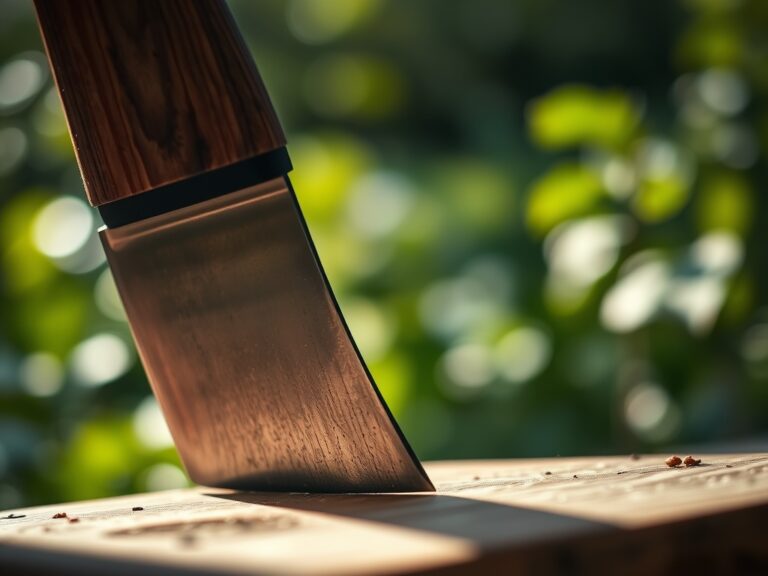
As plants establish and you begin pruning or staking, your gloves face mechanical stress. Check the seams for failure. Use a hori-hori knife to clear weeds around the base, ensuring your gloves do not drag through mulch, which can harbor wood-decaying fungi.
Pro-Tip: Pruning with clean gloves prevents the accidental spread of viruses. When you pinch off suckers to manage auxin suppression and encourage lateral growth, any pathogen on your glove can enter the open wound of the plant stem instantly.
The Clinic:
Even with regular care, gloves and the plants they touch can suffer from "disorders."
Symptom: Leather gloves feel stiff and "cardboard-like."
Solution: This is caused by rapid evaporation of internal oils. Apply a thin layer of neatsfoot oil and work it into the fibers to restore flexibility.
Symptom: Foul odor emanating from glove interior.
Solution: This indicates a colony of anaerobic bacteria. Turn gloves inside out and wash with a solution containing 5% white vinegar to neutralize the scent and kill the microbes.
Symptom: Plant leaves showing interveinal yellowing (Nitrogen chlorosis) after handling.
Fix-It: This may be "mechanical transmission" of a deficiency-mimicking virus. Sanitize all gear. Ensure the soil receives a balanced NPK application, such as a 10-10-10 water-soluble fertilizer, to boost the plant's immune response.
Maintenance:
Precision maintenance extends the life of your gear by 300%. Use a soil moisture meter to ensure you aren't working in saturated mud; if the meter reads above 80% capacity, stay out of the garden to protect both soil structure and your gloves.
For irrigation, ensure your plants receive 1.5 inches of water per week at the drip line. Use bypass pruners for clean cuts, and never use your gloved hand to "snap" branches, as this creates jagged wounds and tears the glove fabric. Store your gloves on a ventilated rack in a cool, dark environment with a consistent temperature of 60 to 70 degrees Fahrenheit.
The Yield:
When harvesting, timing is critical. Harvest leafy greens in the early morning when turgor pressure is at its peak. Use clean, thin gloves to avoid bruising the epidermal layer of the fruit or vegetable. For "day-one" freshness, handle the produce as little as possible. Post-harvest, wash your gloves immediately to remove sugars and acids from the plant juices, which can ferment and degrade the material over time.
FAQ:
Can I wash leather garden gloves in the machine?
No. Machine washing saturates the fibers and strips natural oils. This leads to cracking and structural failure. Use a damp cloth and saddle soap for localized cleaning. Air dry away from direct heat sources to maintain fiber integrity.
How do I disinfect gloves after handling diseased plants?
Soak synthetic gloves in a 10% bleach solution for five minutes. For leather, wipe the surface with a cloth dampened in 70% ethanol. This kills pathogens like Fusarium without destroying the material's cellular structure or flexibility.
How often should I condition my leather gloves?
Condition leather every four to six weeks during the active growing season. If you work in high-alkaline soils or dry climates, increase frequency. Proper conditioning prevents the leather from reaching the point of permanent fiber desiccation.
What is the best way to dry wet garden gloves?
Turn them inside out if possible. Place them in a well-ventilated area with indirect airflow. Do not use a clothes dryer or radiator; extreme heat causes the polymers in synthetics to melt and leather to shrink and become brittle.