5 Best Limestone for Garden Walls
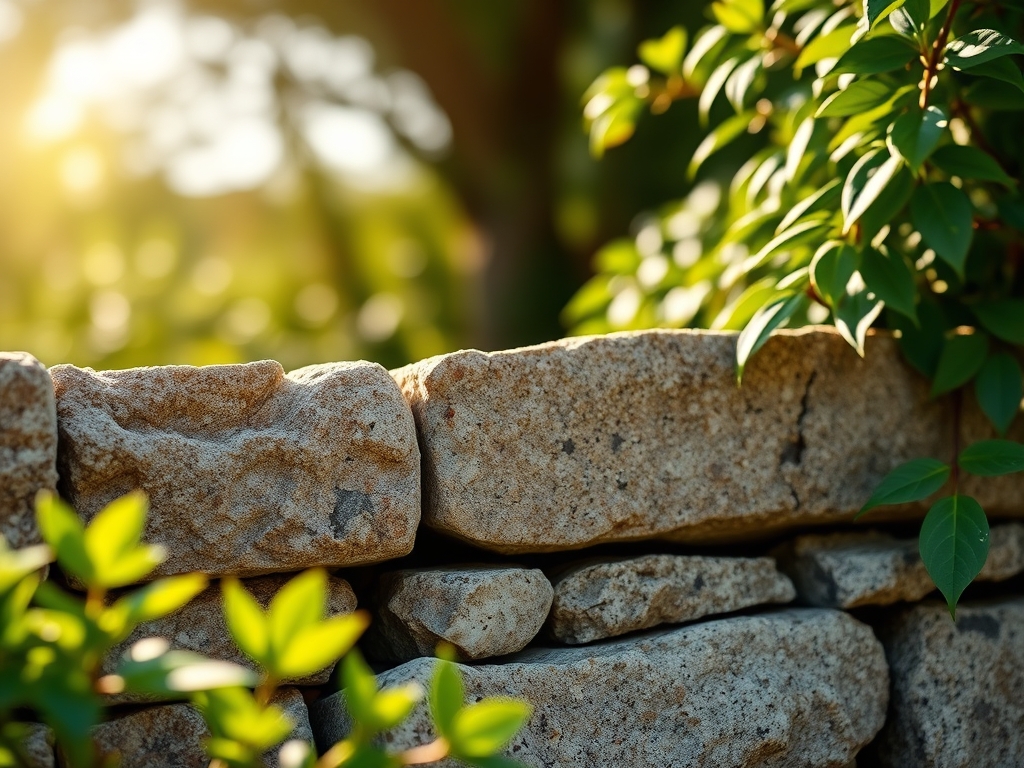
Damp earth releases a sharp, metallic scent of geosmin as the spade cuts through the rhizosphere. A healthy leaf maintains high turgor pressure; it feels firm and resists the touch of a thumb. Selecting the best limestone for garden walls requires more than an aesthetic eye. It demands an understanding of sedimentary geology and how alkaline stone interacts with soil chemistry. Limestone is primarily calcium carbonate (CaCO3). It acts as a continuous buffering agent for the surrounding soil. The right selection ensures structural integrity while managing the mineral leaching that affects the root zones of nearby ornamentals.
Selecting the best limestone for garden walls involves evaluating the stone density and porosity. High-density oolitic or dolomitic limestones provide the necessary compressive strength to withstand soil pressure. These stones often weigh between 150 and 170 pounds per cubic foot. In a garden setting, the interaction between the stone and the substrate is constant. As rainwater percolates through the wall, it carries dissolved carbonates into the soil, slowly raising the pH. This process is beneficial for calciphiles but can be detrimental to acid-loving species. A master horticulturist chooses stone that complements the site's specific geological and biological needs.
Materials:

The ideal substrate behind a limestone wall is a friable loam with a Cation Exchange Capacity (CEC) between 15 and 25 meq/100g. This range ensures the soil can hold and exchange essential nutrients like potassium and magnesium. For plants situated within the limestone wall’s influence, the soil pH should be maintained between 6.5 and 7.5.
Specific NPK ratios for plants in these zones should focus on phosphorus for root establishment. A 5-10-5 or 10-20-10 ratio is standard during the construction phase. High calcium levels from the limestone can occasionally interfere with iron and manganese uptake. Therefore, the substrate must have sufficient organic matter to act as a buffer. The physical texture should be gritty to allow for rapid drainage. This prevents hydrostatic pressure from building up behind the stone. Use a mix of 60 percent loam, 30 percent coarse sand, and 10 percent composted organic matter.
Timing:
Wall construction and subsequent planting should align with local Hardiness Zones, typically Zones 4 through 9 for limestone stability. Installation is best performed during the dormant season or early spring before the first frost-free date. This timing allows the soil to settle before the "Biological Clock" triggers the transition from vegetative to reproductive stages in the surrounding flora.
In temperate climates, the window between the last spring frost and the summer solstice is critical. During this period, plants experience a surge in auxin production, driving rapid root elongation into the new crevices of the limestone wall. Monitoring the photoperiod is essential. As day length increases, the plant shifts energy from root development to leaf canopy expansion. If the wall is built too late in the summer, the heat can cause moisture stress, leading to cellular senescence in young transplants before they can establish a symbiotic relationship with soil microbes.
Phases:

Sowing
When sowing seeds in the crevices of a limestone wall, use a "seed-plug" method. Mix seeds with a damp peat-based medium and press them into the gaps. Ensure the temperature remains between 55 and 70 degrees Fahrenheit for optimal germination.
Pro-Tip: Seeds in limestone walls benefit from increased "Thigmotropism." This is the plant's response to physical contact. As roots touch the stone surface, they thicken their cell walls to provide better structural anchorage.
Transplanting
Moving established plants into a limestone environment requires careful handling of the root ball. Use a hori-hori knife to slice through any circling roots. This encourages lateral branching. Position the crown slightly above the soil line to prevent rot.
Pro-Tip: Use a mycorrhizal inoculant during transplanting. This fosters a "Mycorrhizal Symbiosis" where fungi extend the root system's reach, allowing the plant to extract phosphorus that might otherwise be chemically locked by the calcium in the limestone.
Establishing
The establishment phase lasts 12 to 18 months. During this time, the plant must prioritize "Auxin Suppression" in the lateral buds to focus energy on the primary taproot. Consistent moisture is required to keep the rhizosphere active.
Pro-Tip: Avoid heavy nitrogen fertilization during establishment. High nitrogen levels can cause "Etiolation," where the plant grows weak, elongated stems that cannot support themselves against the stone surface.
The Clinic:
Physiological disorders often manifest when plants interact with the high calcium carbonate content of limestone.
Symptom: Interveinal Chlorosis (yellowing leaves with green veins).
Solution: This is often "Iron Chlorosis." High pH levels from the limestone make iron insoluble. Apply chelated iron to the soil or as a foliar spray to bypass the soil chemistry.
Symptom: Leaf Tip Burn.
Solution: This indicates salt accumulation or moisture stress. Limestone can trap salts if drainage is poor. Flush the area with 2 inches of water to leach excess minerals.
Symptom: Stunted Growth and Purplish Leaves.
Solution: This is a "Phosphorus Deficiency." Calcium can bind with phosphorus, making it unavailable. Use a "Fix-It" application of a high-phosphorus starter fertilizer (0-20-0) to restore nutrient balance.
Maintenance:
Precision is the hallmark of professional maintenance. Deliver 1.5 inches of water per week at the drip line using a soaker hose to ensure deep penetration. Avoid overhead irrigation, which can lead to fungal pathogens on the stone surface. Use a soil moisture meter every three days to check levels at a 6-inch depth.
Pruning is necessary to maintain the structural visibility of the limestone. Use bypass pruners for clean cuts that heal quickly. Remove no more than 25 percent of the canopy at one time to prevent "Root Shock." Every three years, use a hori-hori knife to remove invasive weeds from the mortarless joints, ensuring the stone can "breathe" and expand during freeze-thaw cycles.
The Yield:
For those growing herbs or rock-garden flowers, harvest timing is dictated by essential oil concentration. Harvest Mediterranean herbs like thyme or rosemary just before flowering when the "turgor" is highest in the early morning. Use sharp snips to avoid tearing the vascular tissue. Post-harvest, place stems in a cool, shaded environment immediately. This preserves the cellular integrity and ensures "day-one" freshness by slowing the rate of respiration and transpiration.
FAQ:
Does limestone change soil pH quickly?
Limestone leaches calcium carbonate slowly. It typically takes six to twelve months to see a measurable shift in soil pH. The rate depends on rainfall volume and the porosity of the specific stone used in the wall.
Which limestone is strongest for retaining walls?
Dolomitic limestone is the superior choice. It contains magnesium carbonate in addition to calcium carbonate. This makes the stone denser and more resistant to weathering and acid rain than standard calcitic limestone varieties.
How do I stop limestone from staining?
Staining is often caused by iron oxidation or biological growth. Ensure the wall has a 2 percent backward batter to encourage water runoff. Use a silane-based breathable sealer to prevent moisture from penetrating the stone pores.
Can I grow acid-loving plants near limestone?
It is difficult. The constant leaching of carbonates will neutralize acidic soil. To succeed, you must use a heavy plastic liner between the stone and the soil and frequently apply elemental sulfur to maintain a low pH.