9 Vibrant Ways How to Design a Tropical Landscape
The scent of decomposing organic matter and damp basaltic rock signals a high-functioning rhizosphere. When the air reaches 85 percent humidity and the turgor pressure in a Monstera leaf makes it feel like rigid plastic; you are standing in a successful ecosystem. Learning how to design a tropical landscape requires moving beyond aesthetics into the realm of microclimatology and soil physics. You must engineer a space where high transpiration rates and rapid nutrient cycling mimic the equatorial floor.
Materials:
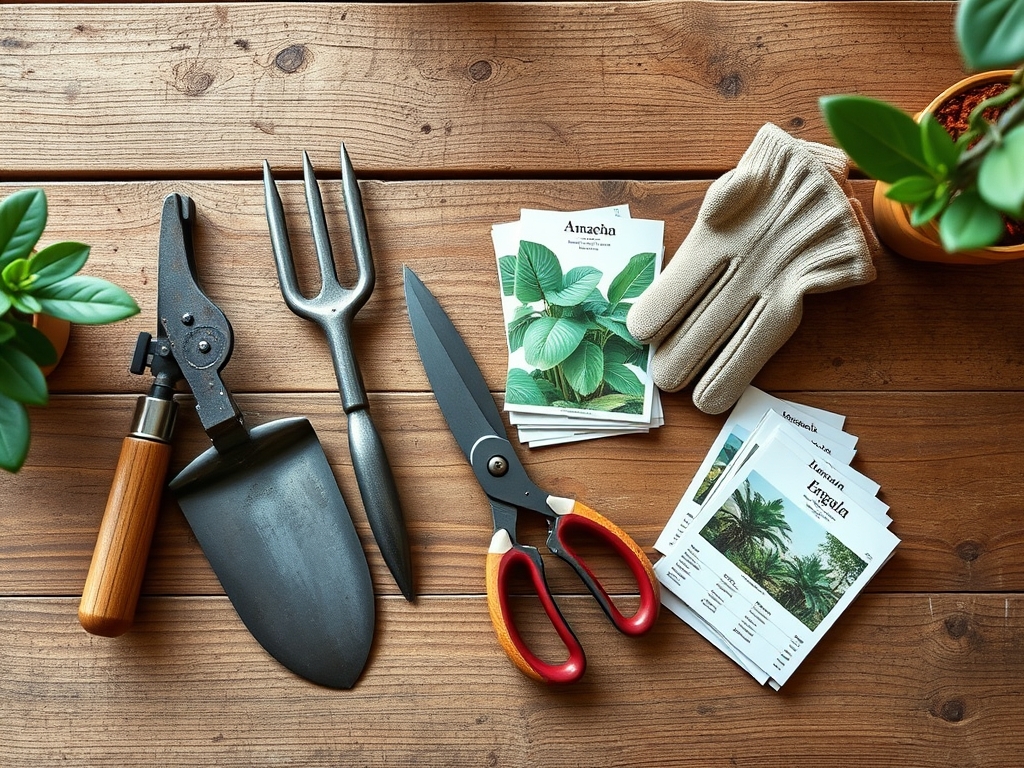
Success begins with a friable loam that maintains a high Cation Exchange Capacity (CEC). Tropical plants are heavy feeders that require a soil pH between 5.5 and 6.5 to ensure micronutrient availability. You must source high-quality amendments to build this foundation.
- Substrate Texture: Use a mix of 40 percent composted forest products; 30 percent coarse silica sand; and 30 percent coconut coir. This ensures rapid drainage while maintaining moisture.
- NPK Ratios: For the establishment phase; utilize a 10-10-10 balanced fertilizer to support both root architecture and foliar expansion. Once established; shift to a high-potassium (6-4-12) formula to strengthen cellular walls against wind and occasional temperature dips.
- Organic Matter: Incorporate worm castings to introduce beneficial microbes. Aim for an organic matter content of at least 8 percent by volume.
Timing:
Tropical landscaping is dictated by the thermal floor. These species generally enter a state of metabolic arrest when soil temperatures drop below 55 degrees Fahrenheit. In USDA Hardiness Zones 9 through 11; the ideal planting window opens after the final spring frost when the photoperiod exceeds 12 hours.
The biological clock of a tropical plant is governed by heat accumulation. During the vegetative stage; the plant focuses on biomass production through high rates of photosynthesis. As the solstice approaches; many species transition to the reproductive stage; diverting energy toward bract formation and flowering. If you are in Zone 9; you must time your planting to ensure at least 180 frost-free days for the root system to reach a depth of 18 inches before the winter dormancy period.
Phases:
Sowing and Seed Prep
Most tropicals are propagated via cuttings or rhizomes; but for those starting from seed; scarification is often required. Hard-coated seeds should be soaked in 100-degree Fahrenheit water for 24 hours to break physical dormancy. Sow in a sterile medium at a depth of twice the seed diameter.
Pro-Tip: Maintain a constant substrate temperature of 75 to 80 degrees Fahrenheit. Biological Why: Warmth triggers the production of gibberellic acid within the seed; which signals the embryo to break dormancy and begin cellular elongation.
Transplanting
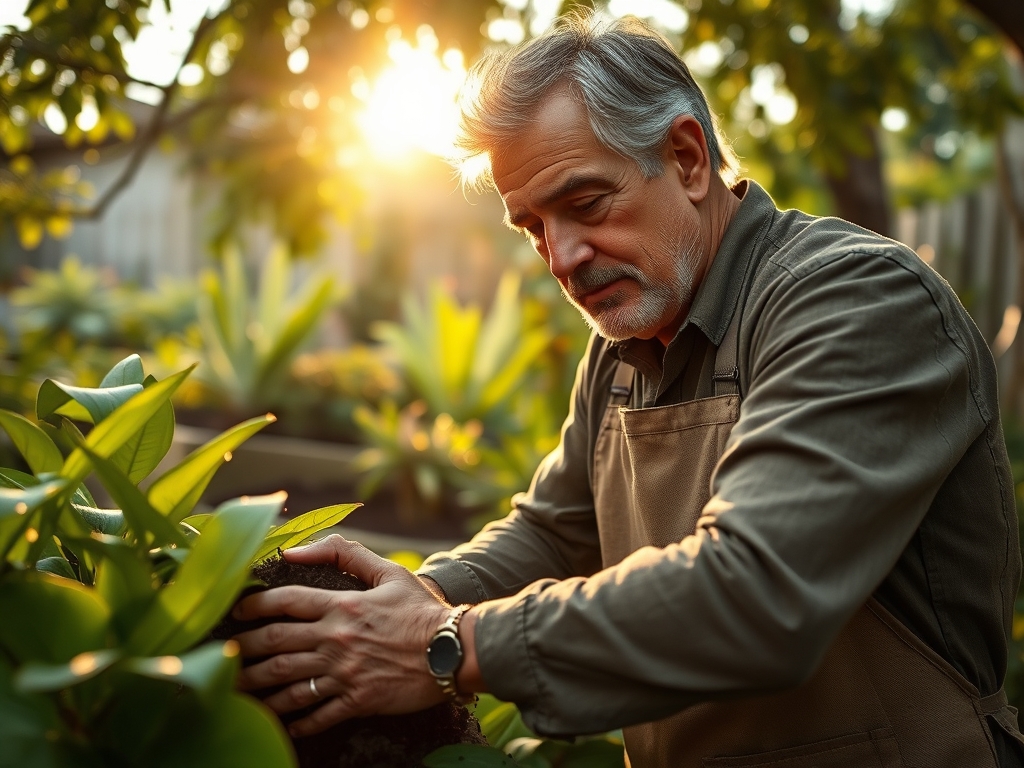
When moving a plant from a nursery container to the ground; the hole must be twice as wide as the root ball but no deeper. Ensure the crown sits exactly at the soil line to prevent stem rot. Backfill with native soil amended with a handful of bone meal to provide localized phosphorus.
Pro-Tip: Score the sides of the root ball if the plant is pot-bound. Biological Why: This disrupts the circular growth pattern and stimulates the production of lateral roots through auxin suppression at the severed tips; forcing the plant to explore new soil volume.
Establishing the Canopy
Design your landscape in layers: the emergent layer (palms); the understory (gingers and heliconias); and the ground cover (ferns). This vertical integration creates a self-shading mechanism that protects lower-level plants from solar scald.
Pro-Tip: Group plants with similar transpiration rates together. Biological Why: This creates a localized microclimate where collective water vapor release increases ambient humidity; reducing the vapor pressure deficit and preventing leaf tip burn.
The Clinic:
Physiological disorders in tropical landscapes often stem from an imbalance in the soil-water-plant continuum. Use the following diagnostic criteria to identify issues.
- Symptom: Interveinal chlorosis (yellowing between green veins) on new growth.
- Solution: This indicates an Iron (Fe) deficiency. Apply chelated iron as a foliar spray or soil drench. Ensure soil pH has not drifted above 7.0; which locks out iron.
- Symptom: Marginal leaf necrosis (browning of edges) on older leaves.
- Solution: This is typically a Potassium (K) deficiency. Potassium is mobile within the plant; so the organism moves it to new growth at the expense of old foliage. Increase K application to 12 percent in your fertilizer mix.
- Symptom: Drooping foliage despite wet soil.
- Solution: This suggests Root Rot (Phytophthora) caused by anaerobic conditions. Improve drainage immediately by incorporating perlite or raising the planting bed by 6 inches.
Maintenance:
A tropical landscape is a high-metabolism environment. You must provide 1.5 to 2 inches of water per week; delivered at the drip line rather than the trunk to encourage outward root expansion. Use a soil moisture meter to verify that the top 4 inches of soil stay consistently moist but not saturated.
Pruning is essential for airflow. Use bypass pruners for soft tissue and a hori-hori knife for dividing rhizomes. When removing spent fronds or stalks; cut at a 45-degree angle to prevent water from pooling on the wound; which can invite fungal pathogens. Sanitize tools with 70 percent isopropyl alcohol between plants to prevent the spread of systemic viruses.
The Yield:
If your tropical design includes zingiberaceous plants like ginger or turmeric; harvest occurs when the foliage begins senescence (natural yellowing and die-back). Dig the rhizomes carefully with a garden fork to avoid bruising the epidermis.
For tropical flowers like Anthuriums or Bird of Paradise; harvest early in the morning when turgor pressure is at its peak. Immediately plunge the stems into room temperature water. For maximum "day-one" freshness; recut the stems underwater to prevent air embolisms from blocking the xylem vessels.
FAQ:
How much sun do tropical plants need?
Most large-leafed tropicals require filtered sunlight or 4 to 6 hours of morning sun. Direct midday sun in high-latitude summers can cause photo-oxidation; leading to permanent bleaching of the chlorophyll within the leaf tissue.
What is the best mulch for a tropical garden?
Use eucalyptus or cedar bark applied 3 inches deep. These organic mulches break down over time; contributing to the humic acid content of the soil and supporting a healthy population of mycorrhizal fungi.
Can I grow tropicals in Zone 8?
Yes; provided you select "root-hardy" species like Musa basjoo. These plants will experience foliar senescence during the first frost; but the underground rhizomes will survive if protected by a 6-inch layer of insulating mulch.
How do I fix compacted soil for tropicals?
Incorporate expanded shale or coarse perlite to a depth of 12 inches. This increases the macropore space; allowing for better oxygen diffusion to the roots and preventing the anaerobic conditions that lead to root decline.
Why are my palm leaves turning yellow?
This is often a Magnesium (Mg) deficiency. Apply Epsom salts (magnesium sulfate) at a rate of 1 pound per 100 square feet. Magnesium is the central atom in the chlorophyll molecule; and its absence halts photosynthesis.