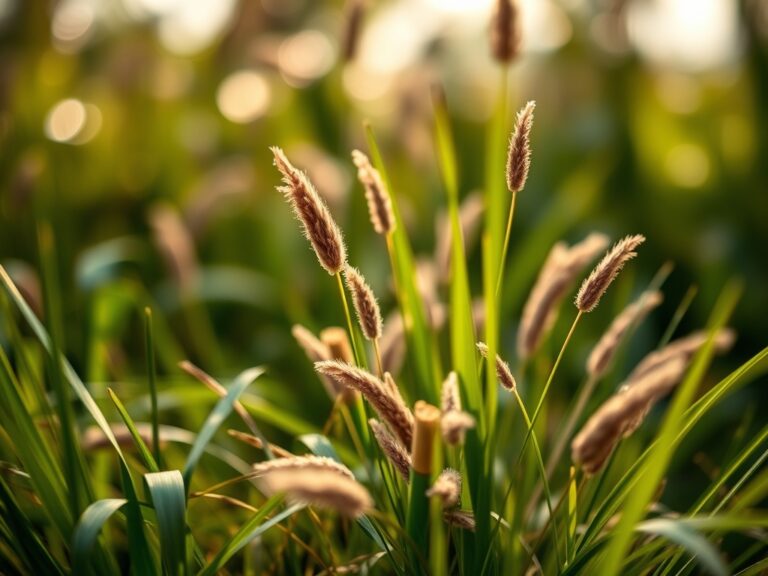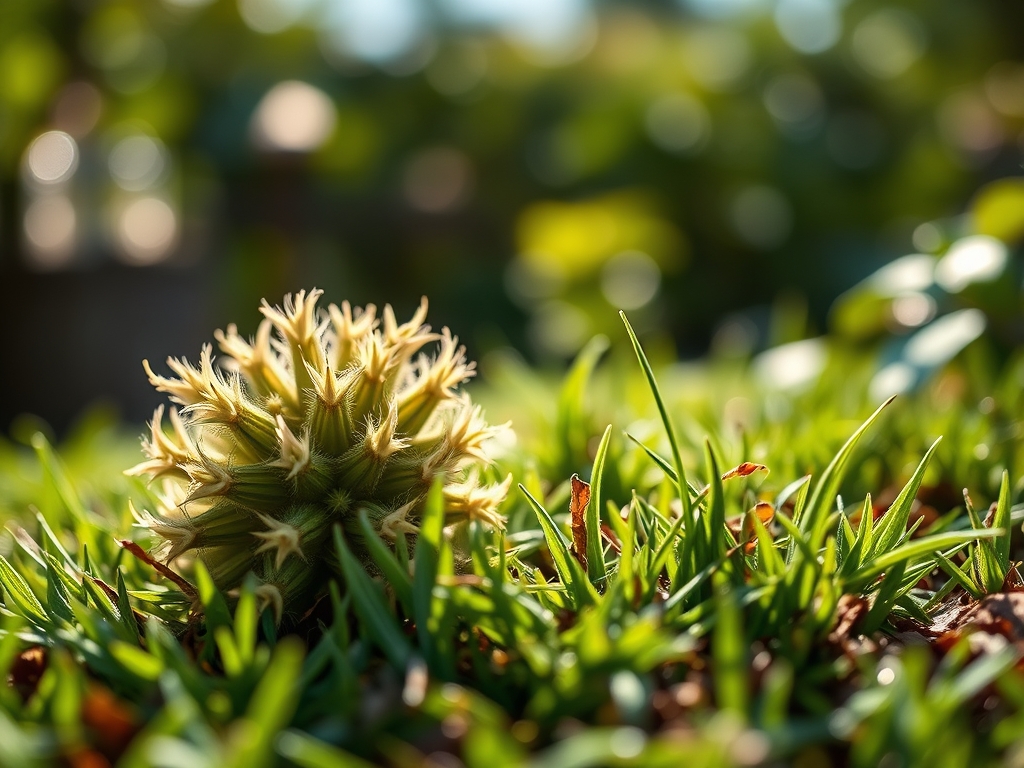
9 Sustainable Ways How to Design a Drought Tolerant Lawn
The smell of damp earth after a light rain signals the activation of microbial life within the rhizosphere; it is the scent of geosmin being released as actinobacteria break down organic matter. When a plant maintains high turgor pressure, its cellular walls remain rigid and upright, resisting the wilting point even as temperatures climb. Learning how to design a drought tolerant lawn requires moving beyond aesthetic preference into the realm of hydraulic architecture. You are building a living system capable of surviving on minimal supplemental irrigation by optimizing root depth and soil structure. This process demands a shift from high-input turfgrasses to species that utilize C4 photosynthesis or deep taproot systems. By focusing on the physical properties of the soil and the biological requirements of the species, you create a landscape that thrives in arid conditions without sacrificing structural integrity or soil health.
Materials:
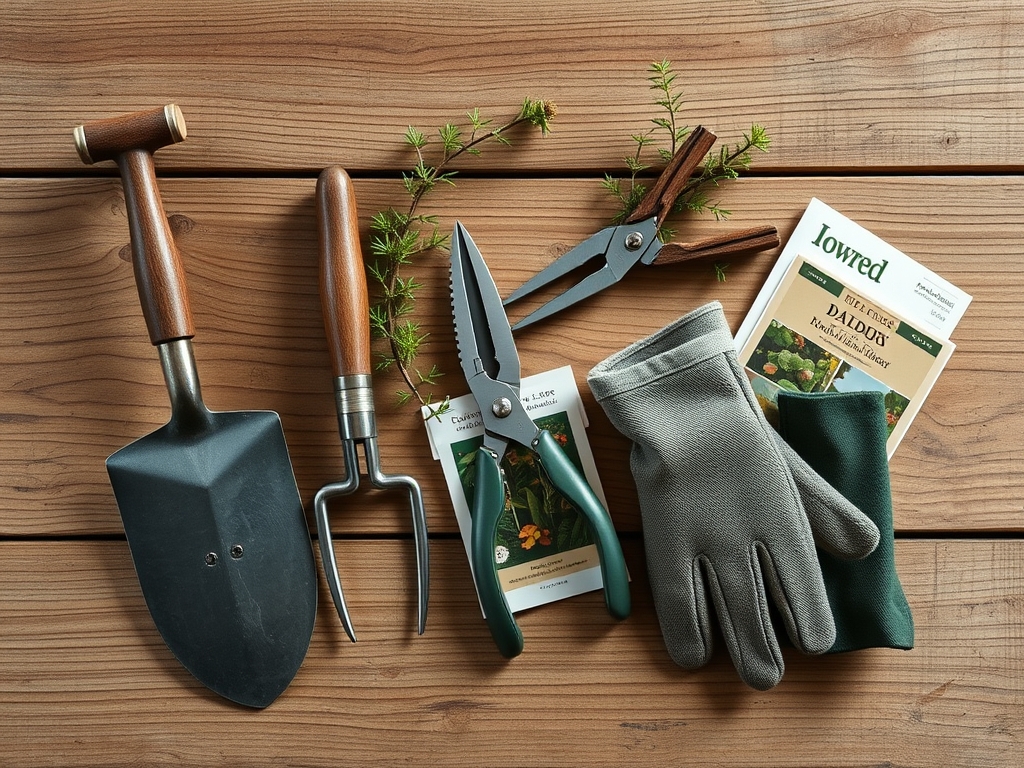
The foundation of a water-wise landscape is a **friable loam** with a high Cation Exchange Capacity (CEC). This soil texture allows for both capillary action and adequate drainage, preventing root rot while retaining essential nutrients. Aim for a soil **pH between 6.0 and 7.0** to ensure maximum bioavailability of micronutrients.
For establishment, focus on specific NPK ratios to support different stages of growth. A 10-20-10 starter fertilizer provides the phosphorus necessary for rapid root elongation. Once established, transition to a slow-release 15-0-15 formula. The potassium (K) is critical for regulating stomatal opening and closing, which directly impacts how the plant manages water loss during transpiration. Incorporate organic matter such as leaf mold or compost to increase the water-holding capacity of sandy soils or to break up the tight plate-like structure of heavy clay.
Timing:
Success is dictated by the USDA Hardiness Zones and the local frost-free window. In Zones 5 through 7, the ideal window for establishing drought-tolerant species is late summer or early autumn, specifically when soil temperatures are between 65 and 75 degrees Fahrenheit. This timing allows the plant to focus energy on root development before the onset of winter dormancy.
In Zones 8 through 10, spring planting is often preferred to allow the lawn to establish before the peak heat of July. Understanding the biological clock is essential; you must transition the lawn from the vegetative stage to a settled state before it enters the reproductive stage (flowering or seeding). Interrupting the reproductive cycle during extreme heat can lead to permanent wilting point failure. Monitor the photoperiod to ensure your selected species receive the required 6 to 8 hours of direct solar radiation needed for metabolic efficiency.
Phases:

Sowing
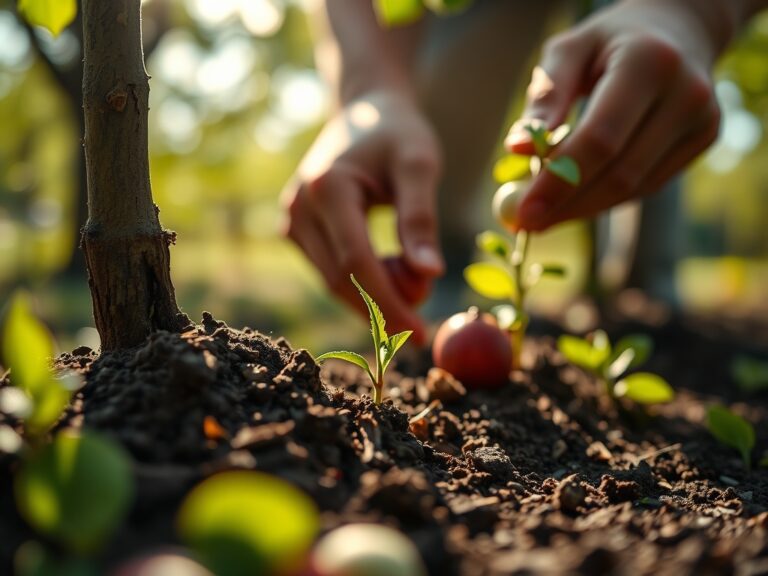
Clear the site of all existing vegetation using a mechanical sod cutter or solarization. Broadcast seeds at a rate of 4 to 6 pounds per 1,000 square feet, depending on the species. Ensure seed-to-soil contact by using a weighted roller.
Pro-Tip: Utilize mycorrhizal inoculants during sowing. These fungi form a symbiotic relationship with the roots, effectively extending the root system's reach and increasing the surface area for water absorption via hyphae.
Transplanting
If using plugs or sod instead of seed, space plugs 6 to 12 inches apart in a staggered grid. Dig holes twice the width of the plug to allow for lateral root expansion.
Pro-Tip: Avoid "circling roots" by gently teasing the root ball. This prevents auxin suppression, a hormonal signal that can inhibit new root growth if the plant perceives it is still confined by a container or tight soil.
Establishing
During the first 21 days, the lawn requires frequent, shallow watering to keep the top 0.5 inches of soil moist. As the roots penetrate deeper, decrease frequency and increase duration.
Pro-Tip: Gradually increasing the interval between watering sessions encourages "hydrotropism." This biological response forces roots to grow deeper into the soil profile in search of moisture, which is the cornerstone of drought resistance.
The Clinic:
Physiological disorders often mimic disease, but they are frequently the result of environmental stress or nutrient imbalances.
-
Symptom: Interveinal chlorosis (yellowing between leaf veins).
-
Solution: This typically indicates an Iron (Fe) deficiency, often caused by high soil pH. Apply chelated iron or lower the pH using elemental sulfur to a range of 6.2 to 6.5.
-
Symptom: Leaf rolling or "cupping."
-
Solution: This is a defense mechanism to reduce the surface area exposed to the sun, decreasing transpiration. Increase deep watering frequency to once every 7 to 10 days until turgor is restored.
-
Symptom: Tip burn or necrosis on older leaves.
-
Solution: This is often Nitrogen chlorosis. Apply a nitrogen-rich fertilizer with a 20-0-0 ratio to stimulate chlorophyll production and vegetative vigor.
-
Fix-It: If the soil becomes hydrophobic (repels water), apply a non-ionic wetting agent. This breaks the surface tension of the water, allowing it to penetrate the soil surface and reach the root zone.
Maintenance:
Precision is the difference between a surviving lawn and a thriving one. Use a soil moisture meter to check the hydration levels at a depth of 6 inches. A drought-tolerant lawn should receive approximately 0.5 to 1 inch of water per week, delivered in a single deep application rather than multiple shallow ones. This encourages deep rooting.
Keep your bypass pruners sharp to manage any invasive woody species that may encroach. When edging or removing stubborn weeds, a hori-hori knife allows you to extract the entire taproot without disturbing the surrounding soil structure. Mow at a height of 3 to 4 inches; taller grass blades shade the soil, reducing evaporation and keeping the crown of the plant cool. Never remove more than one-third of the leaf blade at a single time to avoid shocking the plant and inducing senescence.
The Yield:
While a lawn is not typically harvested for consumption, the "yield" of a drought-tolerant design is its biomass and seed head production. If you are growing ornamental grasses or clover as part of your design, harvest seed heads once they have turned brown and the moisture content has dropped below 15 percent.
To maintain "day-one" freshness for ornamental cuttings, use sharp shears to make a clean 45-degree cut. Immediately plunge the stems into cool water to maintain the vascular flow. This prevents air embolisms from forming in the xylem, which would otherwise block water transport and lead to rapid wilting.
FAQ:
What are the best grass species for drought?
Species like Buffalo Grass, Blue Grama, and Sheep Fescue are superior. These C4 and cool-season bunchgrasses have deep root systems, often extending 3 to 6 feet into the soil, allowing them to access deep water reserves during dry spells.
How do I fix compacted soil without tilling?
Use a core aerator to remove 3-inch plugs of soil. This increases oxygen diffusion to the rhizosphere and improves water infiltration. Top-dress the area with 0.25 inches of fine compost to fill the holes and improve soil structure.
Can I use mulch in a drought-tolerant lawn?
Yes, for non-turf areas. Apply 3 inches of wood chips or pea gravel. This layer acts as an insulative barrier, reducing soil temperature by up to 10 degrees and significantly cutting down on evaporative water loss from the substrate.
How often should I fertilize a water-wise lawn?
Limit fertilization to twice per year, once in early spring and once in late fall. Excessive nitrogen during the heat of summer forces rapid growth that the root system cannot hydraulically support, leading to increased plant stress and water demand.