10 Easy Ways How to Use Organic Houseplant Food
The scent of damp, mineral-rich earth signals a healthy rhizosphere where microbial activity converts raw matter into plant-available ions. When a leaf maintains high turgor pressure, its cells are fully hydrated and rigid; this state is only possible when the soil solution contains the correct balance of dissolved salts and organic compounds. Mastering how to use organic houseplant food requires moving beyond casual application toward a precise understanding of nutrient cycling and soil chemistry. Organic inputs rely on soil microorganisms to break down complex molecules into simpler forms like ammonium and nitrate. This process is slower than synthetic salts but builds a resilient substrate that supports long-term vascular health. By focusing on the biological needs of the plant rather than just the visual symptoms, you ensure that the internal transport systems, specifically the xylem and phloem, operate at peak efficiency. This guide details the technical protocols for integrating organic nutrients into your indoor cultivation strategy to maximize cellular growth and structural integrity.
Materials:
The foundation of any feeding program is the substrate. An ideal medium is a friable loam with a high Cation Exchange Capacity (CEC), which measures the soil’s ability to hold onto essential positively charged ions like potassium (K+), calcium (Ca2+), and magnesium (Mg2+). Most tropical houseplants thrive in a **pH range of 5.8 to 6.5**.
Organic houseplant foods generally fall into three NPK categories based on their primary ingredients:
- High Nitrogen (e.g., 5-1-1): Derived from fish emulsion or blood meal. Used for vegetative growth and chlorophyll production.
- Balanced (e.g., 3-3-3): Derived from composted poultry manure or seaweed. Ideal for general maintenance and root health.
- High Phosphorus/Potassium (e.g., 2-8-4): Derived from bone meal or kelp. Necessary for inducing flowering and strengthening cell walls.
The physical texture must remain porous. If the medium compacts, oxygen levels drop, leading to anaerobic conditions that kill beneficial bacteria. Maintain a mix of 60 percent peat or coco coir, 20 percent perlite, and 20 percent organic compost to ensure adequate drainage and aeration.
Timing:
Indoor environments are shielded from the extremes of Hardiness Zones, yet plants still respond to seasonal light shifts. In North America, the primary growing season occurs between the last spring frost and the first autumn frost, typically April through October. During this window, the "Biological Clock" of the plant is in its vegetative phase.
As the photoperiod (day length) increases, metabolic rates climb. You must synchronize your feeding schedule with this surge. Apply organic food every four to six weeks during active growth. When the photoperiod shortens in winter, plants enter a state of semi-dormancy or senescence. During this time, metabolic demand drops by approximately 70 percent. Suspend feeding entirely from November through February to prevent the accumulation of unused nutrients, which can lead to root burn or fungal pathogens in the soil.
Phases:

Sowing and Seedling Development
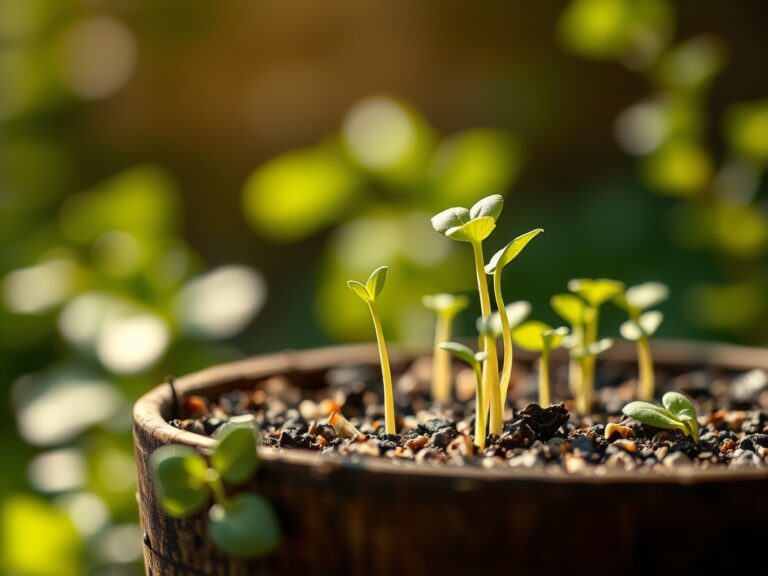
When starting seeds or propagating cuttings, avoid heavy fertilizers. High salt concentrations can dehydrate delicate emerging radicles. Use a diluted liquid seaweed extract at 25 percent strength.
Pro-Tip: Mycorrhizal fungi should be introduced at this stage. These symbiotic fungi attach to the roots, effectively increasing the surface area for nutrient uptake by up to 100 times. This is a biological necessity for species with less aggressive root systems.
Transplanting and Root Establishment
Moving a plant into a larger vessel causes temporary physiological stress. When transplanting, incorporate granular organic food into the bottom third of the new pot. This encourages the roots to grow downward toward the nutrient source.
Pro-Tip: This method utilizes gravitropism and hydrotropism. By placing nutrients deeper, you force the plant to establish a robust, deep root architecture rather than a shallow, weak system that is prone to drying out.
Establishing Mature Growth
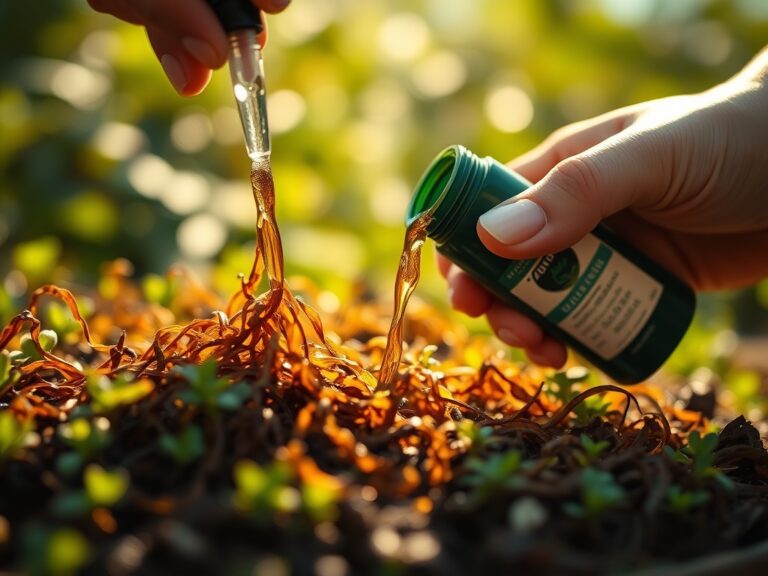
Once the plant has reached its desired structural size, the focus shifts to maintenance and leaf density. Use a balanced 3-3-3 liquid organic fertilizer applied directly to the soil surface.
Pro-Tip: Maintaining a consistent nutrient supply prevents auxin suppression. Auxins are hormones that regulate apical dominance; if nutrients are scarce, the plant may shed lower leaves to prioritize the growing tip, a process known as nutrient mobilization.
The Clinic:
Physiological disorders often mimic pest damage but are usually rooted in chemistry.
Symptom: Interveinal Chlorosis (Yellowing between green veins).
Solution: This typically indicates a Magnesium deficiency. Magnesium is the central atom in the chlorophyll molecule.
Fix-It: Apply a solution of one tablespoon of Epsom salts per gallon of water once a month to restore green pigment.
Symptom: Necrotic leaf margins (Brown, crispy edges).
Solution: This is often "Fertilizer Burn" caused by excess salt accumulation or Potassium deficiency.
Fix-It: Flush the soil with three times the volume of the pot using distilled water to leach out excess salts. Transition to a lower-salt organic kelp meal.
Symptom: Stunted growth with dark purple undersides on leaves.
Solution: This indicates Phosphorus deficiency, common when soil temperatures drop below 60 degrees Fahrenheit.
Fix-It: Move the plant to a warmer location and apply a high-phosphorus organic liquid food like bone meal tea.
Maintenance:
Precision is the difference between a surviving plant and a thriving one. Use a soil moisture meter to verify that the top two inches of soil are dry before adding liquid organic food. Over-watering during feeding can lead to root rot (Phytophthora).
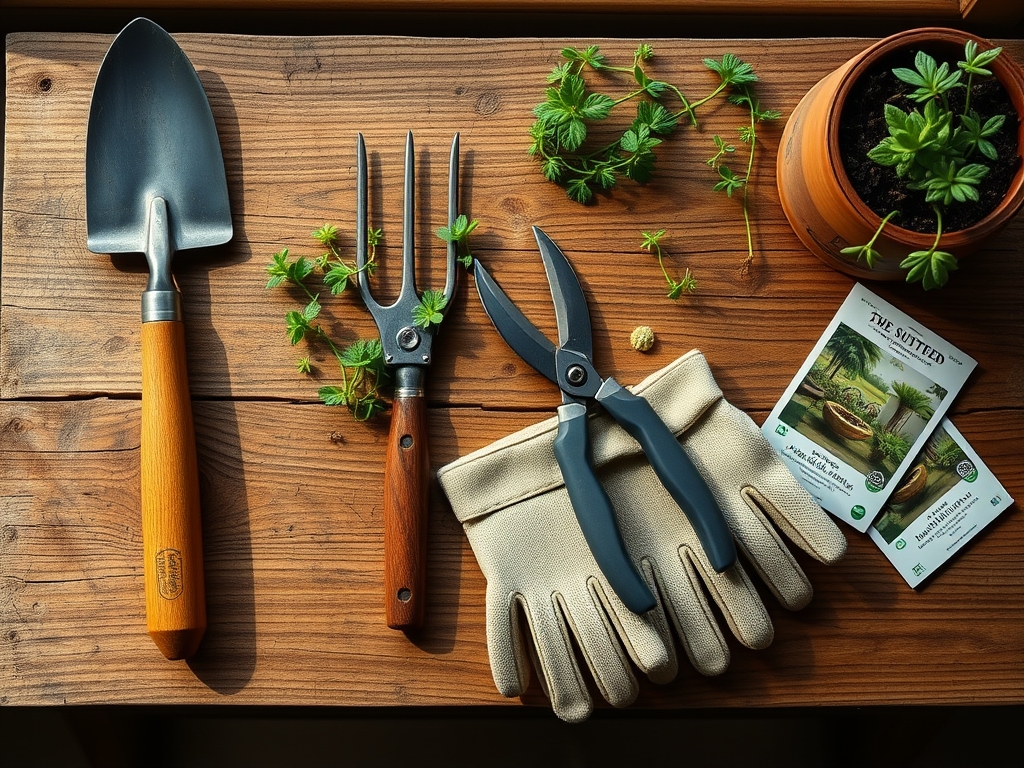
For larger floor plants, provide approximately 1.5 inches of water per week distributed evenly at the drip line, which is the perimeter of the foliage. This ensures the fine feeder roots, located at the edges of the root ball, receive the nutrients. Use a hori-hori knife once a year to gently probe the soil for compaction; if the blade cannot easily penetrate four inches, the soil needs aeration. Use bypass pruners to remove any yellowing or dead tissue immediately, as decaying matter can attract fungus gnats and divert energy away from new growth.
The Yield:
For those growing indoor herbs or flowering species like Jasmine or Orchids, the yield is the final objective. Harvest herbs in the morning when essential oil concentrations are highest. Use sharp snips to cut just above a node to encourage branching.
For flowering plants, once buds appear, shift to a high-potassium organic food to support the high energy demands of bloom production. After the flowering cycle ends, prune back the spent blooms to prevent the plant from wasting energy on seed production. This keeps the plant in a "day-one" state of vigor, ready for the next growth cycle.
FAQ:
Can I use organic food on every watering?
No. Organic nutrients require time for microbial breakdown. Applying them with every watering leads to nutrient lockout and soil acidification. Stick to a four-week interval during the active growing season to maintain a stable soil pH.
Why does my organic fertilizer smell?
The scent comes from the decomposition of organic matter like fish or manure. This indicates active microbial digestion. To minimize odor, use diluted liquid concentrates or bury granular pellets two inches deep into the substrate.
Does organic food expire?
Liquid organic fertilizers typically have a shelf life of one to two years. After this, the microbial stabilizers may fail, leading to fermentation or gas buildup in the bottle. Store in a cool, dark place below 75 degrees Fahrenheit.
Is organic food safer for my pets?
While organic food lacks synthetic chemicals, concentrated ingredients like bone meal or blood meal can be attractive and harmful to pets if ingested in large quantities. Always incorporate fertilizer into the soil rather than leaving it on the surface.