7 Top Rated Best Indoor Plant Fertilizers
The smell of damp earth and the sharp, metallic scent of mineral salts define the indoor grow space. Healthy foliage depends on turgor pressure; the internal fluid force that keeps a leaf rigid against the pull of gravity. Achieving this requires precise nutrient management. Finding the best indoor plant fertilizers is not about marketing claims but about understanding the chemical requirements of the rhizosphere. Without supplemental nutrition, containerized plants quickly exhaust the limited mineral reserves in their potting media.
Materials:
Indoor substrates must be a friable loam or a peat-based mix with a high Cation Exchange Capacity (CEC). This capacity determines how well the soil holds onto positively charged ions like potassium and calcium. Maintain a soil pH between 6.0 and 7.0 for most tropicals to ensure nutrient bioavailability.
- Balanced Synthetic Liquid (10-10-10): High solubility for immediate uptake during active growth.
- Slow-Release Granules (14-14-14): Polymer-coated prills that release nutrients over 90 days via osmotic pressure.
- Fish Emulsion (2-4-1): High organic matter content to stimulate microbial activity.
- Seaweed Extract (0-0-1): Rich in cytokinins and auxins for cellular division.
- Chelated Iron (EDDHA): Essential for preventing interveinal chlorosis in alkaline conditions.
- Magnesium Sulfate (Epsom Salts): Critical for chlorophyll molecule synthesis.
- Bone Meal (0-12-0): High phosphorus for root development and flower initiation.
Timing:
Indoor environments bypass traditional Hardiness Zones; however, light intensity dictates the biological clock. Most houseplants enter a period of senescence or slowed metabolism when the photoperiod drops below 10 hours of light. Fertilization should align with the transition from the vegetative stage to the reproductive or maintenance stage. Begin applications in early spring, approximately two weeks before the local outdoor frost-free date, to capitalize on increasing ambient light. Cease heavy nitrogen applications by late autumn to prevent weak, etiolated growth that cannot survive lower winter humidity.
Phases:

Sowing and Seedling Development
Seeds contain enough endosperm to support initial growth, but once the first true leaves emerge, the plant requires a diluted 1/4 strength liquid fertilizer. Focus on phosphorus to encourage a robust root architecture. Keep temperatures at a constant 70 to 75 degrees Fahrenheit to optimize metabolic rates.
Pro-Tip: High phosphorus at this stage prevents leggy growth by prioritizing root biomass over apical dominance. This is due to the plant's need for ATP (adenosine triphosphate) during early cellular expansion.
Transplanting and Root Integration
When moving a plant to a larger vessel, the goal is to minimize transplant shock. Use a mycorrhizal inoculant to establish a symbiotic relationship between fungi and the root system. This increases the surface area for water and nutrient absorption by up to 100 times.
Pro-Tip: Mycorrhizal symbiosis is essential because the fungi secrete glomalin, a glycoprotein that stabilizes soil aggregates and improves oxygen diffusion within the rhizosphere.
Establishing and Vegetative Bulk
Once the plant is established, switch to a high-nitrogen formula to drive leaf production. Nitrogen is the primary component of chlorophyll. Maintain a consistent watering schedule to ensure the salts in the fertilizer do not build up and cause root desiccation.
Pro-Tip: Nitrogen drives the production of auxins in the apical meristem. Suppressing lateral bud growth in favor of vertical height is a direct result of auxin concentration at the plant's tip.
The Clinic:
Physiological disorders often mimic disease but are usually rooted in nutrient imbalances.
Symptom: Interveinal Chlorosis (Yellowing between green veins).
Solution: This indicates a lack of mobile magnesium or immobile iron. Apply a chelated iron foliar spray if the new leaves are affected.
Fix-It: For magnesium deficiency, dissolve 1 tablespoon of magnesium sulfate in a gallon of water and apply to the soil.
Symptom: Tip Burn or Leaf Scorch.
Solution: This is often a sign of fertilizer salt accumulation or "over-salting" the rhizosphere.
Fix-It: Flush the pot with distilled water equal to three times the volume of the container to leach out excess mineral salts.
Symptom: Purpling of lower leaves.
Solution: This is a classic sign of phosphorus deficiency, common in cold soils.
Fix-It: Increase the ambient temperature to above 65 degrees Fahrenheit and apply a high-phosphate water-soluble fertilizer.
Maintenance:
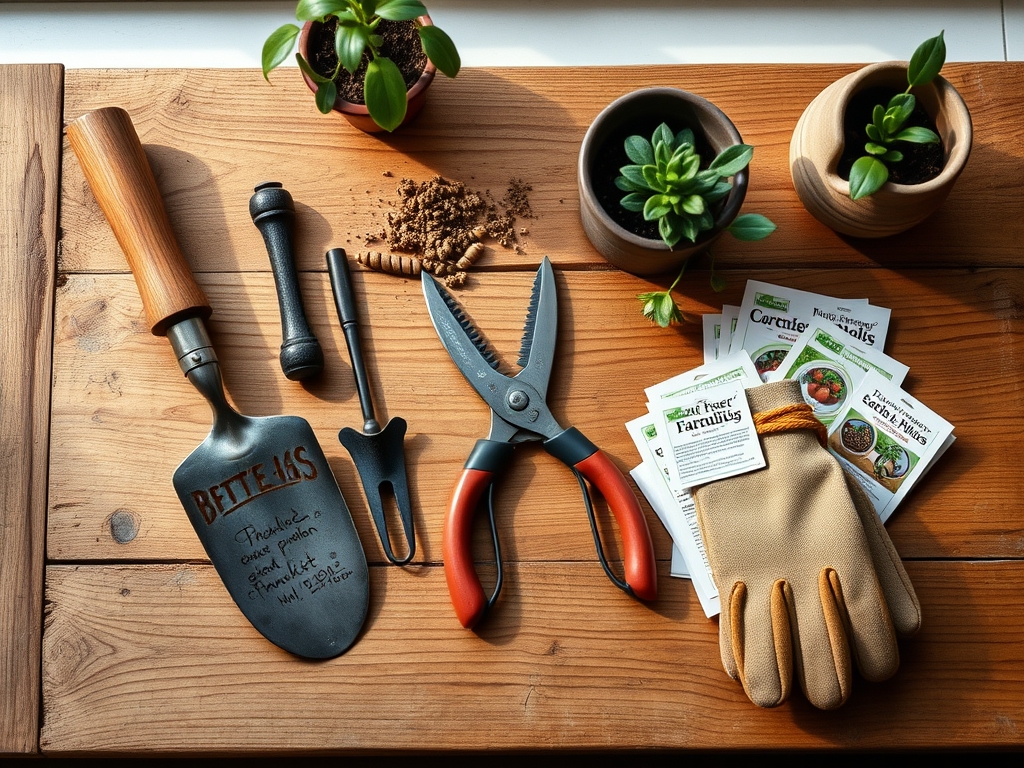
Precision is the difference between a thriving specimen and a surviving one. Use a soil moisture meter to ensure the substrate is at a level 3 or 4 before adding liquid nutrients. Never fertilize a bone-dry plant; this causes immediate root burn. Apply roughly 1.5 inches of water per week to ensure the entire root ball is saturated. Use a hori-hori knife to gently aerate the top inch of soil if it becomes compacted, allowing oxygen to reach the roots. For pruning dead tissue, always use sharp bypass pruners to make clean cuts that heal quickly, preventing pathogen entry.
The Yield:
For indoor herbs or flowering plants like African Violets, harvest timing is critical. Harvest herbs in the morning when essential oil concentration is at its peak. Use sharp shears to cut just above a leaf node to encourage branching. For flowers, remove spent blooms (deadheading) to prevent the plant from diverting energy into seed production. This keeps the plant in a continuous vegetative or flowering state. Post-harvest, keep cuttings in a high-humidity environment or a glass of water at 60 degrees Fahrenheit to maintain cellular turgor and "day-one" freshness.
FAQ:
How often should I use the best indoor plant fertilizers?
Apply liquid fertilizer every two to four weeks during the active growing season (March through September). Reduce frequency to once every eight weeks during winter months when light levels are low and plant metabolism slows down significantly.
Can I use outdoor fertilizer for my indoor plants?
Outdoor fertilizers are often too concentrated and lack the micronutrients necessary for container life. They may also contain urea, which requires specific soil microbes to break down; microbes that are often absent in sterile indoor potting mixes.
What does NPK stand for on a fertilizer label?
NPK stands for Nitrogen (N), Phosphorus (P), and Potassium (K). These are the three primary macronutrients. Nitrogen promotes foliage, phosphorus supports root and flower development, and potassium regulates internal cellular processes and overall plant structural integrity.
How do I know if I have over-fertilized my plants?
Look for a white, crusty salt buildup on the soil surface or the pot rim. Physical signs include sudden leaf drop, browned leaf tips, or a wilted appearance despite the soil being adequately moist to the touch.