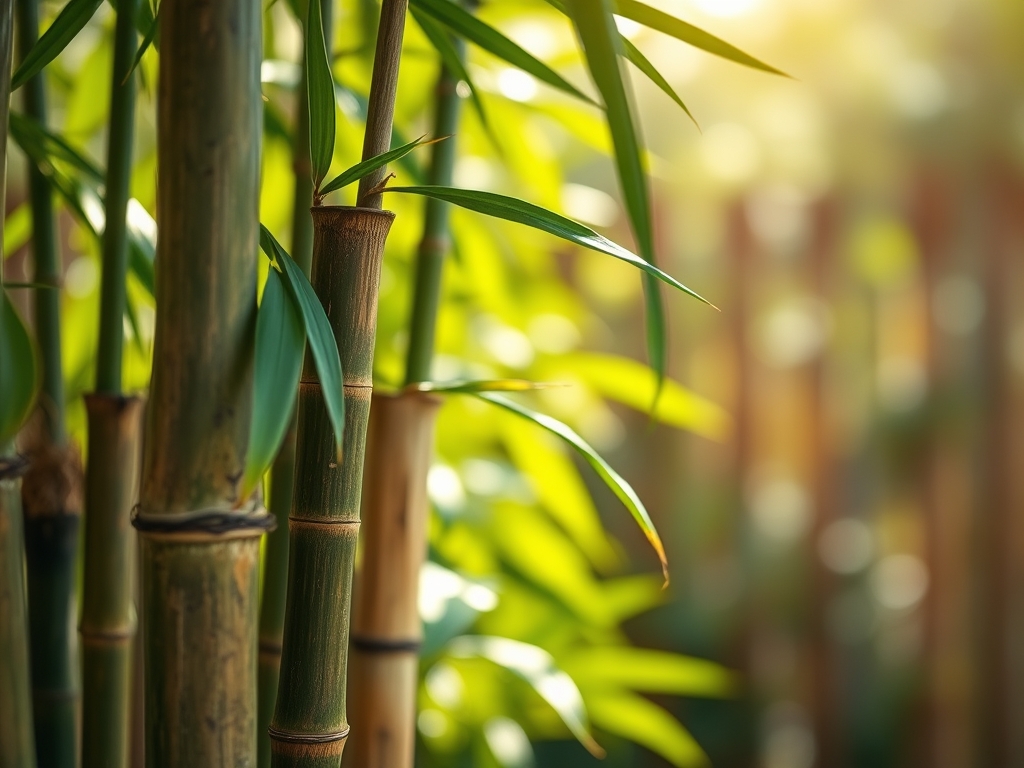
8 Best Bamboo for Privacy Screens
The smell of damp earth after a heavy rain signals the peak of rhizome activity; the soil becomes a medium for rapid cellular expansion. When you grasp a culm of Phyllostachys, you feel the internal turgor pressure that allows these grasses to reach heights of thirty feet in a single season. Selecting the best bamboo for privacy screens requires an understanding of biomass accumulation and the mechanical strength of the vascular bundles. These plants are not merely aesthetic additions; they are high-performance biological barriers capable of sequestering carbon at rates significantly higher than most hardwood species. Achieving a dense, impenetrable wall of foliage necessitates a precise management of soil moisture and nutrient availability. Success depends on matching the specific species to your local microclimate and soil structure. Failure to account for the lateral spread of leptomorph rhizomes or the clump density of pachymorph types will result in either a sparse screen or an invasive management crisis. This guide provides the technical framework for establishing a functional, living perimeter using the most resilient species available to the modern horticulturist.
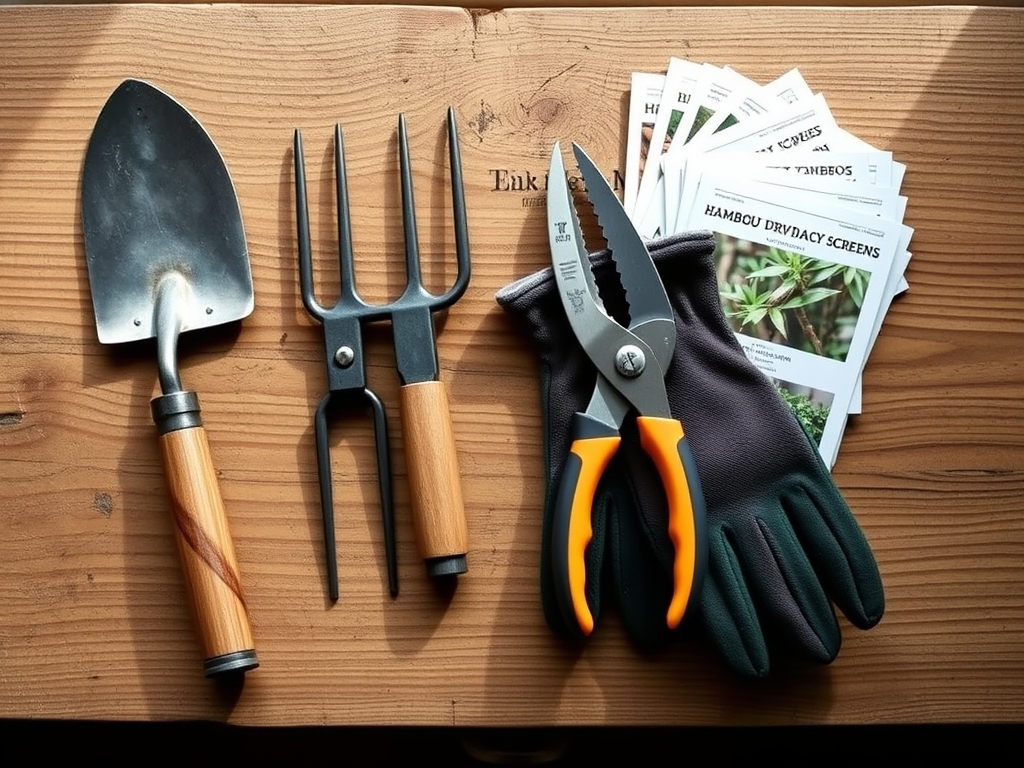
Materials:
The success of a bamboo screen begins with the Cation Exchange Capacity (CEC) of the substrate. Bamboo thrives in a **friable loam** with a **pH range of 6.0 to 6.5**. High clay content can lead to anaerobic conditions in the rhizosphere, causing root rot; sandy soils lack the water-holding capacity required for rapid culm elongation.
To support the massive nitrogen requirements of the best bamboo for privacy screens, utilize a high-nitrogen fertilizer with an NPK ratio of 21-5-6 during the active shooting phase. For established groves, a more balanced 10-10-10 formula provides the necessary phosphorus for root development and potassium for cellular wall strength. Incorporate organic matter such as composted manure to increase the soil's ability to retain these nutrients. Ensure the planting site has a bulk density of approximately 1.3 g/cm3 to allow for easy rhizome penetration while maintaining structural support for the heavy culms.
Timing:
Bamboo follows a strict biological clock governed by the photoperiod and soil temperature. Most species enter a period of dormancy when soil temperatures drop below 45 degrees Fahrenheit (7 Celsius). Planting should occur in early spring, ideally 2 to 4 weeks after the last frost date, to allow the root system to establish before the summer heat.
The "Biological Clock" of bamboo is divided into the shooting phase and the rhizome growth phase. In late spring, the plant directs all energy toward the production of new culms; this is a period of high metabolic activity where water demand is at its peak. By late summer, the plant shifts into the rhizome growth phase, expanding its underground network to store carbohydrates for the following year. Understanding this transition is vital for timing fertilization and pruning. In Hardiness Zones 5 through 10, different species will react uniquely to the onset of winter senescence.
Phases:

Sowing and Selection
While bamboo can be grown from seed, the low germination rates and long juvenile periods make vegetative propagation the industry standard. For a privacy screen, select 3-gallon or 5-gallon nursery stock. The primary species for screening include Bambusa multiplex 'Alphonse Karr' for warm climates and Fargesia robusta for colder regions. Ensure the root ball is moist and the culms show no signs of mechanical damage.
Pro-Tip: Pay attention to auxin suppression. When you prune the apical meristem (the tip) of a culm, you remove the source of auxin, a hormone that inhibits lateral growth. This forces the plant to produce more side branches, creating a thicker privacy screen.
Transplanting
Dig a trench or individual holes twice the width of the root ball but no deeper than the original container. Set the plant so the top of the root mass is level with the soil surface. Backfill with a mix of native soil and aged compost. Space plants 3 to 5 feet apart depending on the desired density and the specific species growth habit.
Pro-Tip: Inoculate the planting hole with mycorrhizal fungi. This symbiotic relationship expands the surface area of the root system, significantly increasing the plant's ability to uptake phosphorus and water during the critical establishment phase.
Establishing
During the first two growing seasons, the plant focuses on developing its underground biomass. Maintain consistent moisture levels. A 3-inch layer of wood chip mulch helps regulate soil temperature and prevents the evaporation of critical surface moisture. Avoid heavy nitrogen applications in the first six months to prevent "burning" the young, sensitive rhizomes.
Pro-Tip: Bamboo exhibits strong phototropism. If planting near a tall structure, the bamboo will lean toward the light source. To ensure a vertical screen, ensure even light distribution or rotate container-grown specimens 180 degrees every two weeks.
The Clinic:
Physiological disorders in bamboo often manifest in the foliage. Use the following diagnostic criteria to identify and resolve issues.
Symptom: Leaf Tip Burn (Necrosis)
- Cause: Excess salt accumulation from synthetic fertilizers or high chlorine levels in municipal water.
- Solution: Flush the soil with 5 to 10 gallons of rainwater per square foot to leach salts. Switch to organic, slow-release fertilizers.
Symptom: Interveinal Chlorosis
- Cause: Iron or Manganese deficiency, often triggered by a soil pH above 7.0.
- Solution: Apply chelated iron to the rhizosphere and incorporate elemental sulfur to lower the pH to the 6.0 range.
Symptom: Leaf Curling and Drooping
- Cause: Loss of turgor pressure due to drought stress or extreme heat.
- Solution: Increase irrigation to 2 inches per week. Check the soil moisture at a depth of 6 inches using a digital meter.
Fix-It: Nitrogen Chlorosis
If the entire leaf turns a pale yellow, the plant is likely suffering from nitrogen deficiency. Apply a liquid seaweed or fish emulsion for immediate uptake, followed by a granular high-N fertilizer (e.g., 24-8-16) to provide long-term support.
Maintenance:
Precision maintenance is the difference between a ragged hedge and a professional screen. Use a soil moisture meter twice weekly; bamboo requires approximately 1.5 inches of water per week delivered at the drip line. In peak summer, this may increase to 2.5 inches.
Pruning should be performed annually in late autumn. Use bypass pruners for small branches and a reciprocating saw or sharp pruning saw for thick culms. Remove any dead, crossing, or weak culms at ground level to improve airflow and light penetration into the center of the grove. To manage the spread of running bamboo, use a hori-hori knife to sever any rhizomes that attempt to jump the containment barrier. If using a physical barrier, ensure it is 60-mil High-Density Polyethylene (HDPE) installed to a depth of 24 inches with a 2-inch lip above the soil surface.
The Yield:
While primarily grown for screening, many bamboo species produce edible shoots. Harvest these in early spring when they are no more than 2 to 4 inches above the soil. Use a sharp spade to sever the shoot from the parent rhizome approximately 2 inches below the surface. To maintain "day-one" freshness, immediately submerge the shoots in cold water and refrigerate. This halts the conversion of sugars to lignin, which causes the shoots to become woody and bitter.
FAQ:
How fast does bamboo grow for privacy?
Established bamboo can grow 3 to 5 feet per year. Some species like Phyllostachys aureosulcata can reach full height in a single 60-day shooting window once the root system is mature.
Which bamboo is best for narrow spaces?
Clumping bamboo (Bambusa multiplex) is ideal. It expands slowly in a circular pattern and does not require the extensive root barriers needed for running varieties, making it perfect for tight property lines.
Is bamboo invasive?
Only running (leptomorph) varieties are considered invasive if not contained. Clumping (pachymorph) varieties stay in a tight group and are easily managed without specialized barriers or constant monitoring of the rhizosphere.
How do I stop bamboo from spreading?
Install a 24-inch deep HDPE root barrier around the perimeter. Alternatively, perform "rhizome pruning" once a year by digging a shallow trench and cutting any lateral roots with a sharp spade or hori-hori knife.