10 Best Fruit Trees for Small Yards
Crushed granite grit under your boots and the metallic scent of damp, mineral-rich silt signal the start of a high-density orchard. When space is a premium, the best fruit trees for small yards are those engineered for high yields within a restricted footprint. Success depends on maintaining turgor pressure through consistent irrigation and selecting cultivars grafted onto dwarfing rootstocks. These specialized rootstocks, such as M27 for apples or Gisela 5 for cherries, limit the tree's ultimate height to six or eight feet without compromising fruit quality. High-density planting requires a fundamental shift in perspective; you are no longer growing a tree, but managing a biological machine that converts solar energy and soil nutrients into sugar-dense drupes and pomes. To achieve this, the soil must be a friable loam with a high cation exchange capacity to facilitate the rapid uptake of minerals. Every square inch of the rhizosphere must be optimized to support the metabolic demands of a tree that is genetically programmed to produce large harvests on a miniature frame.
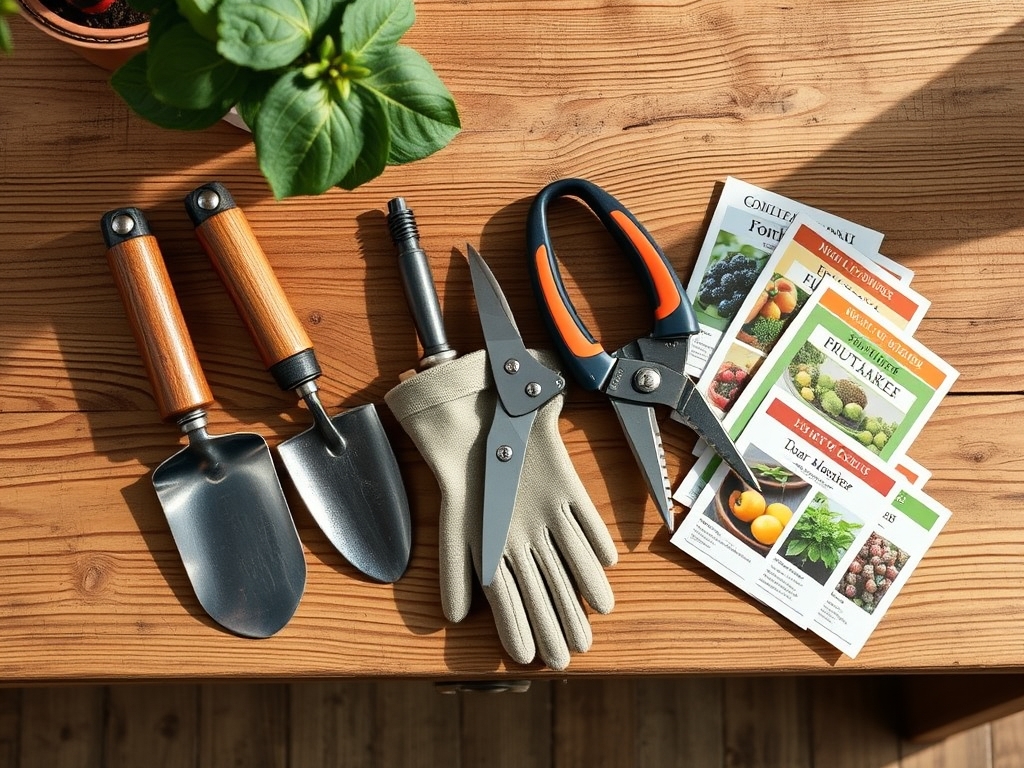
Materials:
The foundation of a small-scale orchard is the substrate. Most deciduous fruit trees require a **soil pH between 6.0 and 7.0**. Blueberries, which can be grown as small decorative shrubs, demand a more acidic range of **4.5 to 5.5**. The physical texture should be a friable loam; a composition of roughly 40% sand, 40% silt, and 20% clay. This balance ensures adequate pore space for oxygen while retaining sufficient moisture.
Nutrient management must be precise. For establishing young trees, use a fertilizer with an NPK ratio of 10-10-10 to support balanced root and shoot development. Once the tree enters its reproductive phase, shift to a high-potassium formula, such as 5-10-15, to enhance fruit size and sugar concentration. For container-grown specimens in small yards, use a potting medium with high porosity, often achieved by adding 20% perlite or pumice to the mix. This prevents anaerobic conditions in the root zone, which can lead to root rot and systemic failure.
Timing:
Successful cultivation is governed by the USDA Hardiness Zone map and the local frost-free window. Most temperate fruit trees require a specific number of chilling hours (temperatures between 32 and 45 degrees Fahrenheit) during dormancy to break endodormancy and initiate spring budding. For small yards in warmer climates (Zones 8-10), select "low-chill" varieties like the Anna Apple, which requires fewer than 300 hours.
The biological clock of the tree transitions from the vegetative stage to the reproductive stage as the photoperiod lengthens in spring. Planting should occur during the late dormant season, typically six to eight weeks before the last predicted frost. This allows the root system to establish in the cool, moist soil before the metabolic demands of leaf-out begin. If you miss this window, container-grown trees can be transplanted in early autumn, provided they have at least 60 days to establish roots before the ground freezes.
Phases:
Sowing and Selection
While most fruit trees are purchased as grafted saplings, starting from seed is rarely recommended for small yards due to genetic variability and long juvenile periods. Select Grade No. 1 trees with a trunk diameter of at least 0.5 inches. Ensure the graft union; the visible bump where the scion meets the rootstock; is scarred over and healthy.
Pro-Tip: Always plant the tree with the graft union 2 to 3 inches above the soil line. If the scion touches the soil, it may develop its own roots, bypassing the dwarfing rootstock's influence and causing the tree to reach its full, unmanageable size.
Transplanting
Excavate a hole twice as wide as the root ball but no deeper. Use a hori-hori knife to scarify the sides of the hole, preventing "glazing" in clay soils which can trap roots. Spread the roots radially to encourage outward growth into the native soil. Backfill with the original soil rather than heavy amendments to prevent the "pot effect," where roots refuse to leave the nutrient-rich planting hole.
Pro-Tip: Mycorrhizal fungi inoculants applied directly to the roots during transplanting facilitate a symbiotic relationship. These fungi extend the reach of the root system, increasing the surface area for water and phosphorus absorption by up to 100 times.
Establishing
During the first two growing seasons, the priority is structural development. Remove any fruit that sets during the first year. This redirects the tree's energy from fruit production to vegetative growth and root expansion. Stake the tree using flexible ties to allow for slight trunk movement, which strengthens the wood through the development of reaction wood.
Pro-Tip: Use "central leader" or "open center" pruning to manage apical dominance. By cutting the primary leader, you suppress auxin production at the tip, which stimulates lateral buds to grow, creating a bushier, more compact canopy ideal for small spaces.
The Clinic:
Physiological disorders often mimic infectious diseases but are caused by environmental stress or nutrient imbalances.
- Symptom: Interveinal chlorosis (yellowing between leaf veins) on new growth.
- Solution: This indicates Iron deficiency, often caused by high soil pH. Apply chelated iron as a foliar spray or soil drench to lower the pH locally.
- Symptom: Bitter Pit (small, sunken brown spots on the fruit skin).
- Solution: This is a Calcium deficiency within the fruit. Maintain consistent soil moisture to ensure calcium transport via the xylem and apply a calcium chloride spray during fruit development.
- Symptom: Leaf curl and stunted terminal growth without visible pests.
- Solution: Likely Copper deficiency. Apply a micronutrient-rich fertilizer or a copper-based fungicide, which also provides nutritional copper.
- Fix-It for Nitrogen Chlorosis: If older leaves turn pale green or yellow, the tree is pulling nitrogen from old growth to support new growth. Apply a quick-release high-nitrogen fertilizer (like blood meal) at a rate of 0.1 pounds of actual nitrogen per year of tree age.
Maintenance:
Precision maintenance is the difference between a decorative plant and a high-yield fruit tree. Use a soil moisture meter to ensure the root zone stays between 60% and 80% field capacity. Most dwarf trees require 1.5 inches of water per week, delivered via drip irrigation at the drip line to avoid wetting the foliage.
Pruning is mandatory. Use sharp bypass pruners to remove the "three Ds": dead, damaged, or diseased wood. For small yards, utilize the "Summer Pruning" technique in late July. Pruning in summer removes solar-collecting leaf surface, which reduces the tree's overall vigor and helps maintain its small stature. In contrast, winter pruning stimulates vigorous regrowth. Always disinfect tools with 70% isopropyl alcohol between trees to prevent cross-contamination.
The Yield:
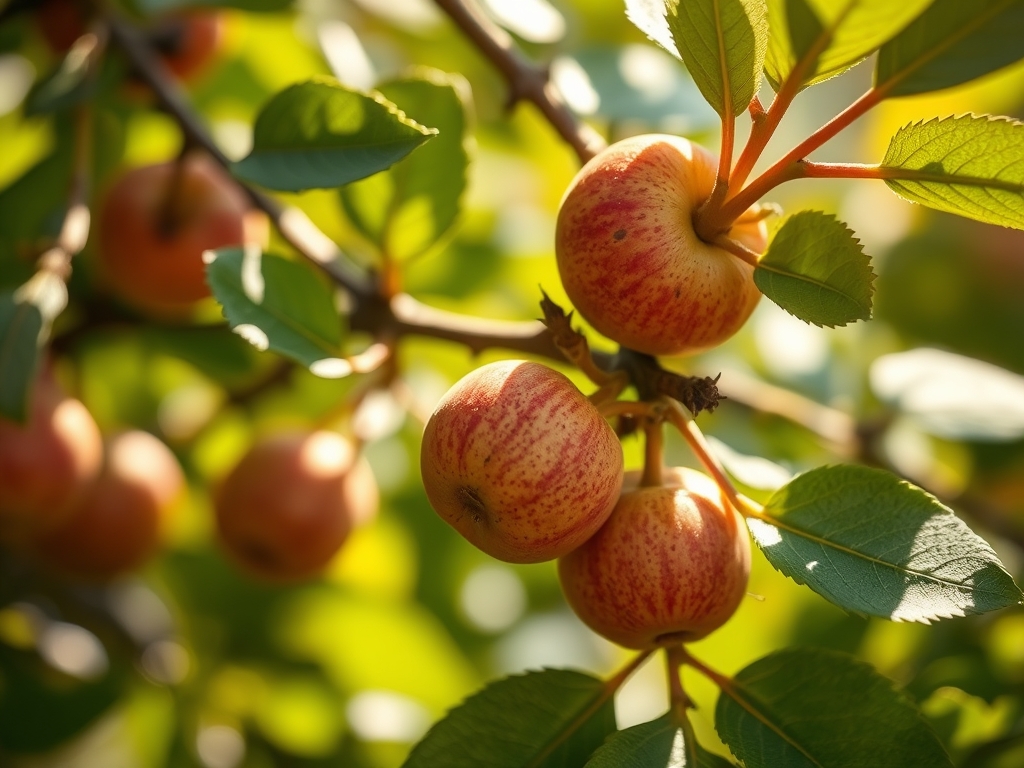
Harvesting at peak physiological maturity ensures the highest brix (sugar) levels. For pomes like apples and pears, the "ground color" changes from a dull green to a lighter yellow or white. Use the "lift and twist" method; if the fruit resists, the abscission layer has not yet formed, and it is not ready.
Stone fruits like peaches and plums should be harvested when they are "firm-ripe" and have lost their green background color. Post-harvest, cooling the fruit immediately to 32 to 35 degrees Fahrenheit slows the rate of respiration and senescence. This "cold chain" management preserves the turgor and crispness of the fruit for several weeks.
FAQ:
What are the best fruit trees for small yards?
Dwarf varieties of apple, pear, cherry, and peach are ideal. Specifically, look for "columnar" apple trees like the Northpole or Scarlet Sentinel, which grow straight up and reach only two feet in width.
How much sun do fruit trees need?
Most fruit trees require a minimum of six to eight hours of direct sunlight daily. Insufficient light leads to poor fruit set, lower sugar content, and increased susceptibility to fungal pathogens due to slow leaf drying.
Can I grow fruit trees in pots?
Yes, provided the container is at least 15 to 20 gallons and has excellent drainage. Use a high-quality potting mix and ensure you select trees grafted onto specific "patio" or "dwarfing" rootstocks to prevent root binding.
Do I need two trees for pollination?
Many modern dwarf varieties are "self-fertile," meaning they do not require a second tree. However, even self-fertile trees often produce a significantly higher yield if a second, genetically compatible variety is planted nearby to facilitate cross-pollination.