10 Pro Tips How to Use Action Hoes
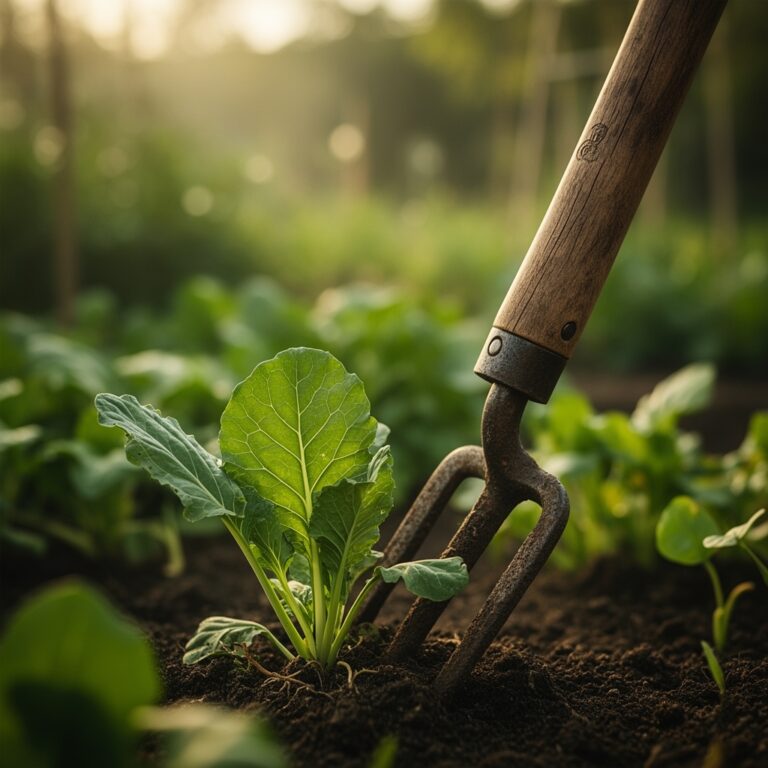
Learning how to use action hoes properly transforms weeding from a back-breaking ordeal into a precise, efficient operation. The blade skims beneath soil crust at a 30-degree angle, severing annual weeds at the crown while leaving beneficial soil structure intact. Mastering this tool requires understanding blade geometry, soil moisture timing, and proper body mechanics. Within two seasons, gardeners who learn how to use action hoes reduce weeding time by 60 percent compared to hand-pulling methods.
Materials and Soil Preparation
Action hoes perform optimally in soil with pH 6.0-7.0 and adequate tilth. Before deploying the tool, incorporate a balanced organic amendment at 4-4-4 NPK ratio to a depth of 6 inches. Well-composted cattle manure or alfalfa meal provides this ratio while improving cation exchange capacity. The target soil moisture sits at 40-60 percent of field capacity. Soil too wet causes clumping on the blade. Soil too dry creates hardpan that dulls the cutting edge.
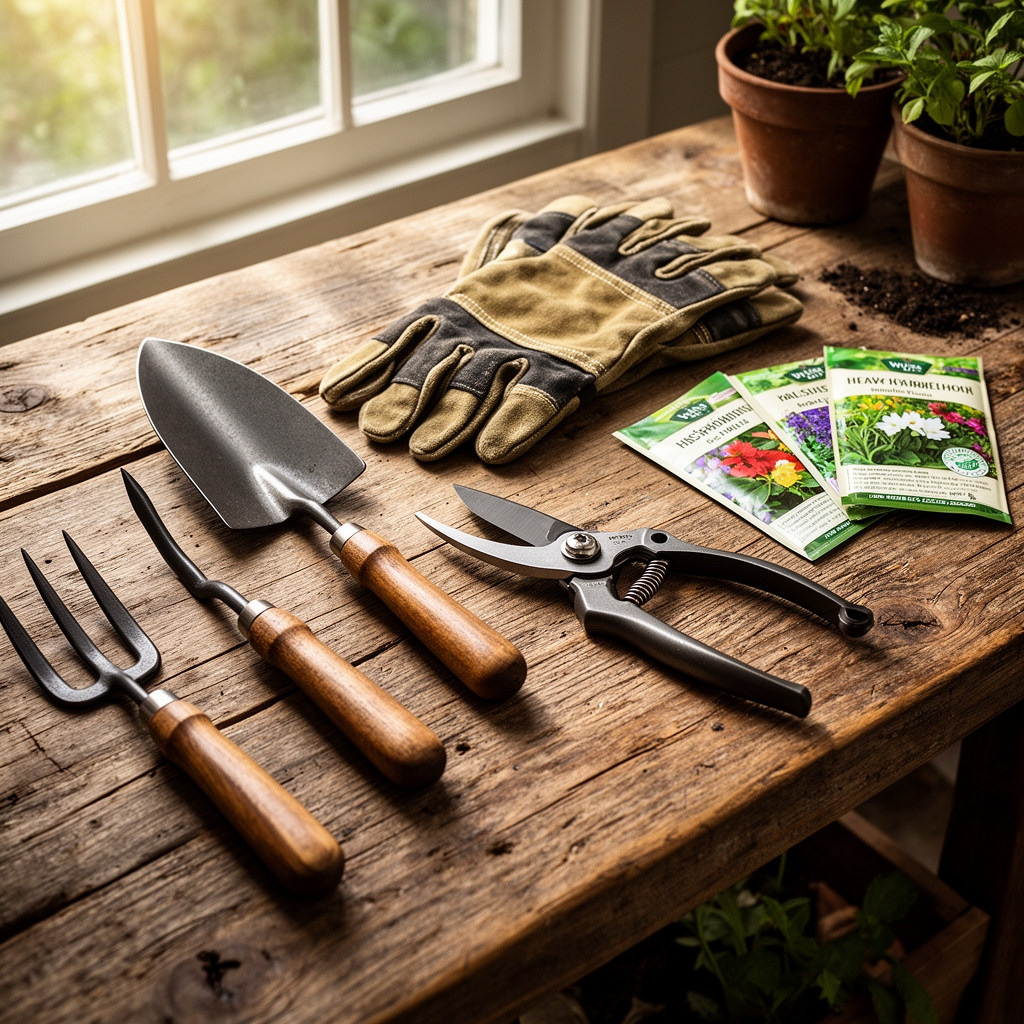
Three action hoe styles suit different applications. The stirrup hoe features a loop blade measuring 6-7 inches wide, ideal for row crops with 12-inch spacing. The collinear hoe carries a thin, sharp blade set parallel to the soil surface, perfect for shallow cultivation between lettuces or onions. The scuffle hoe employs a push-pull action with a blade width of 4-5 inches for precision work around transplants. Each requires a handle length matching the user's sternum height when standing upright.
Timing and Climate Considerations
Action hoes deliver maximum effectiveness when deployed at specific phenological windows. In USDA Hardiness Zones 5-7, begin hoeing operations 7-10 days after the average last frost date. Weed seeds germinate rapidly when soil temperature reaches 50-55°F at 2-inch depth. This flush of annual weeds includes chickweed, purslane, and lambsquarters.
Schedule hoeing sessions for mid-morning, between 9:00 AM and 11:00 AM. Morning dew has evaporated but soil retains overnight moisture. Severed weeds desiccate rapidly in increasing temperatures without re-rooting. In Zone 8-10 climates, increase hoeing frequency to every 5-7 days during the warm season when weed pressure intensifies.
Cease hoeing operations 3 weeks before first expected frost. Late-season soil disturbance disrupts overwintering beneficial insects and exposes weed seeds that would otherwise remain dormant through winter cold stratification.
Cultivation Phases

Sowing Phase
Prepare seedbeds by hoeing 2-3 days before direct seeding. The blade travels 0.5 inches below soil surface, creating a smooth, friable layer. This shallow cultivation eliminates the first weed cohort without bringing buried seeds into the germination zone. Studies show the top 2 inches of garden soil contain 3,000-5,000 viable weed seeds per square foot.
Pro-Tip: Mark crop rows with taut twine immediately after seeding. When crop seedlings remain below ground, hoe between marked rows at 3-day intervals. This "blind cultivation" eliminates 70 percent of competing weeds before crop emergence.
Transplanting Phase
Allow 48 hours after transplanting before introducing the action hoe. This rest period permits auxin distribution to roots and reduces transplant shock. Position the blade 3 inches from transplant stems, angling away to prevent accidental damage. Young transplants develop adventitious roots in the top 4 inches, where hoe action would sever critical water-uptake structures.
Pro-Tip: Cultivate to a depth of 1 inch around transplants for the first 2 weeks. Shallow hoeing preserves mycorrhizal fungi networks that colonize transplant roots, improving phosphorus uptake by 40 percent.
Establishing Phase
Once crops reach 6-8 inches in height, increase hoeing depth to 1.5 inches and expand the cultivation zone to within 2 inches of stems. Established plants tolerate closer cultivation as root systems extend beyond the drip line. Target perennial weed seedlings like thistle or bindweed during this phase. Multiple severing events exhaust root reserves, reducing perennial establishment by 85 percent.
Pro-Tip: Hoe in alternating directions each session. North-south passes followed by east-west passes seven days later create a crosshatch pattern that catches regrowth from different angles.
Troubleshooting Common Issues
Symptom: Blade skips across soil surface without cutting.
Solution: Sharpen the leading edge to 20-degree bevel using a mill file. Dull blades require 3x more force and miss 40 percent of small weeds. Resharpen every 4-6 hours of use.
Symptom: Weeds reroot after hoeing.
Solution: Hoe only when next 24 hours forecast less than 20 percent humidity. Desiccation occurs within 2-3 hours under dry conditions. Avoid hoeing before predicted rain.
Symptom: Crop roots exposed after cultivation.
Solution: Reduce working depth by 0.25 inches. Crop roots grow upward seeking oxygen when buried too deep. Proper hoeing depth maintains 1-inch protective soil layer over feeder roots.
Symptom: Handle causes hand blisters.
Solution: Maintain 15-degree handle angle relative to ground. Steep angles create friction. Wear form-fitting gloves with reinforced palms during extended sessions.
Maintenance Requirements
Action hoe blades require monthly inspection for chips or bends. Store tools in dry conditions to prevent rust formation that roughens the cutting surface. Apply food-grade mineral oil to carbon steel blades after each use, wiping excess with cotton cloth.
Weeding sessions should last 20-30 minutes maximum to maintain proper form. Fatigue causes users to press downward rather than draw the blade horizontally, reducing cutting efficiency by 50 percent. Work 100-150 square feet per session in established gardens.
Replace wooden handles every 3-4 seasons or when vertical cracks exceed 2 inches in length. Handle failure during use causes blade trajectory errors that damage crops.
Frequently Asked Questions
How deep should I hoe?
Maintain 0.5-1.5 inch depth for annual weeds. Deeper cultivation brings dormant seeds into the germination zone and severs beneficial soil organism networks.
Can I use action hoes in wet soil?
No. Wet soil adheres to blades and compacts under pressure. Wait until soil crumbles freely when squeezed, typically 24-48 hours after rain.
How often should I sharpen the blade?
Sharpen every 4-6 hours of active use or when cutting efficiency noticeably decreases. A sharp blade glides with minimal downward pressure.
Do action hoes work on perennial weeds?
They suppress perennial seedlings effectively but only weaken established perennials. Repeated cutting at 5-7 day intervals for 6-8 weeks exhausts root reserves on most species.
What is the ideal handle length?
Match handle length to your sternum height. Proper length allows horizontal blade travel without stooping, reducing lower back strain by 75 percent during extended use.