6 Simple Steps to Use Thatching Rakes
Thatch accumulates in lawn soil as a dense mat of dead grass stems, stolons, and roots that block water and nutrients from reaching active root zones. Removing this layer requires mastering the steps to use thatching rakes, tools designed with rigid, knife-like tines that slice vertically through thatch to restore soil-air exchange. A properly dethatched lawn responds with accelerated tillering and improved cation exchange capacity in the upper two inches of the root zone.
Materials
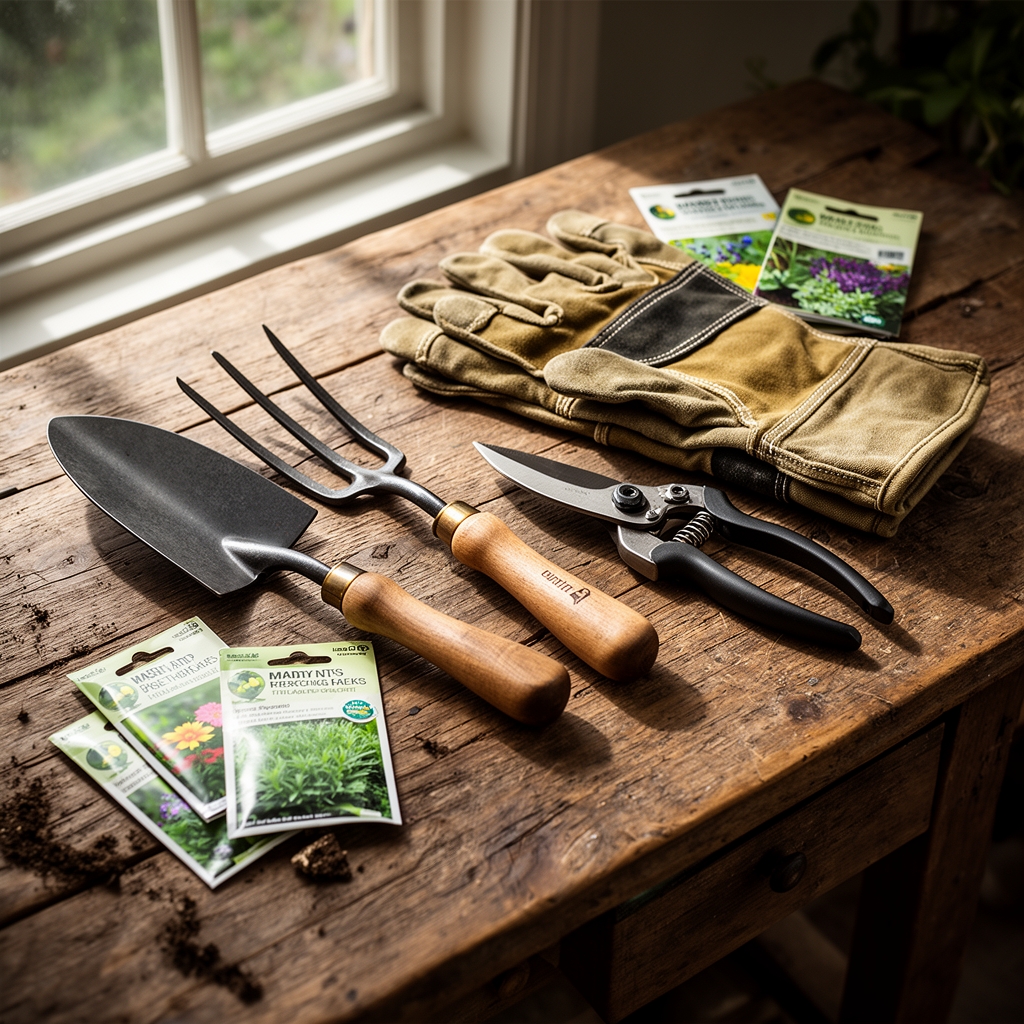
Select a thatching rake with spring-steel tines spaced 0.5 inches apart for fine-textured grasses like creeping bentgrass, or 1-inch spacing for coarse varieties such as tall fescue. Manual models weigh between 3 and 5 pounds and require no fuel, while powered dethatchers with vertical rotating blades cover 500 square feet per hour.
Prepare the lawn with a soil test targeting pH between 6.2 and 7.0 for cool-season grasses. Apply a 4-4-4 organic meal or composted poultry manure at 20 pounds per 1,000 square feet two weeks before dethatching to support post-treatment recovery. Warm-season turf species benefit from a 3-1-2 ratio fertilizer, delivering 1 pound of nitrogen per 1,000 square feet.
Equip yourself with a leaf blower or garden cart to collect thatch debris. Have a broadcast spreader ready for seed application and a soil probe to check moisture depth. A core aerator complements dethatching by perforating compacted zones and enhancing auxin distribution to lateral buds.
Timing
Execute dethatching when grasses enter their peak growth phases. Cool-season species, including Kentucky bluegrass and perennial ryegrass, respond best in early fall, four to six weeks before the first frost date in USDA Hardiness Zones 3 through 7. Spring dethatching should occur after the final frost when soil temperatures stabilize above 50 degrees Fahrenheit at a 2-inch depth.
Warm-season grasses such as Bermuda and zoysia tolerate dethatching in late spring through early summer, from mid-May to June in Zones 7 through 10. Soil temperatures must exceed 65 degrees Fahrenheit to trigger active rhizome expansion and minimize transplant shock.
Avoid dethatching during drought stress or when the thatch layer measures less than 0.5 inches thick. Excessive removal during dormancy depletes carbohydrate reserves stored in crown tissues, leading to thin turf density and increased weed germination.
Phases

Sowing the Lawn Foundation
Mow the lawn to a height of 1.5 to 2 inches before dethatching to expose the thatch layer fully. Water the area with 0.5 inches of irrigation 24 hours prior to ensure the soil is moist but not saturated. Wet soil reduces tine penetration while overly dry ground causes excessive turf tearing.
Pro-Tip: Inoculate bare patches with mycorrhizal fungi granules at 0.25 pounds per 100 square feet immediately after dethatching to colonize root surfaces within seven days.
Transplanting Turf Vigor
Position the rake at a 45-degree angle to the lawn surface. Pull the tool toward your body using short, overlapping strokes covering 12 to 18 inches per pass. Apply downward pressure sufficient to penetrate 0.25 to 0.5 inches into the soil surface, slicing through thatch without gouging into the root zone.
Work in parallel rows across the entire lawn, then make a second pass perpendicular to the first pattern. This cross-hatching exposes 60 to 70 percent of the soil surface, creating optimal seed-to-soil contact.
Pro-Tip: Rake in two directions spaced at 90-degree angles to disrupt horizontal stolon mats and stimulate vertical shoot formation through apical dominance release.
Establishing Recovery
Collect detached thatch using a leaf blower or rake into piles for composting. Broadcast grass seed matched to existing species at 4 to 6 pounds per 1,000 square feet for overseeding. Roll the area with a 150-pound lawn roller to press seed 0.125 inches into the soil profile.
Apply a starter fertilizer with a 18-24-12 NPK ratio at half the recommended rate to avoid osmotic stress on emerging seedlings. Water with 0.25 inches daily for 14 days to maintain consistent moisture in the top 1 inch of soil.
Pro-Tip: Top-dress thin areas with 0.25 inches of screened compost to improve water retention and introduce beneficial bacteria populations exceeding 10 million colony-forming units per gram.
Troubleshooting
Symptom: Brown patches appear 7 to 10 days post-dethatching.
Solution: Reduce watering frequency to every 48 hours and apply a foliar kelp spray at 2 tablespoons per gallon to supply cytokinin hormones and accelerate chlorophyll synthesis.
Symptom: Excessive soil compaction prevents tine penetration.
Solution: Core aerate to a depth of 3 inches before dethatching, removing plugs spaced 2 to 3 inches apart to reduce bulk density below 1.4 grams per cubic centimeter.
Symptom: Weed germination accelerates in exposed soil.
Solution: Apply corn gluten meal at 20 pounds per 1,000 square feet as a pre-emergent containing 9 percent nitrogen by weight. This inhibits root formation in annual weeds for 4 to 6 weeks.
Symptom: Fungal mycelium appears as white threads in thatch debris.
Solution: Increase air circulation by raising mower height to 3 inches and apply sulfur dust at 5 pounds per 1,000 square feet to lower surface pH below 6.0, suppressing saprophytic fungal activity.
Maintenance
Water dethatched lawns with 1 inch of irrigation per week, delivered in two 0.5-inch applications spaced three days apart. Monitor soil moisture with a probe to maintain saturation at 4 to 6 inches deep, the primary root zone for perennial grasses.
Mow at one-third the total blade height every five to seven days to avoid removing more than 30 percent of photosynthetic tissue per cutting. Return clippings to the lawn unless thatch accumulation exceeds 0.75 inches annually.
Fertilize every six weeks during the growing season with a slow-release 20-5-10 formulation delivering 0.75 pounds of nitrogen per 1,000 square feet. Pair applications with 0.5 inches of water to move nutrients into the root zone.
Reapply dethatching annually if thatch depth measures 0.5 inches or greater, confirmed by extracting a soil core and measuring the spongy layer above mineral soil.
FAQ
How often should I dethatch my lawn?
Dethatch once per year if thatch exceeds 0.5 inches, typically every 2 to 3 years for most turf species.
Can I dethatch and aerate on the same day?
Yes. Aerate first to reduce compaction, then dethatch to remove organic debris from opened pore spaces.
What is the ideal thatch thickness?
Maintain 0.25 to 0.5 inches. This layer insulates roots without blocking water infiltration.
Do I need to fertilize after dethatching?
Apply a starter fertilizer with a 3-1-2 ratio at half strength within 24 hours to accelerate recovery without burning exposed roots.
Will dethatching damage my grass?
Temporary stress occurs, but grasses recover within 14 to 21 days when dethatched during active growth phases and irrigated consistently at 1 inch per week.