9 Easy Steps to Easy Indoor Gardening
The scent of fresh basil crushed between your fingers. The cool, mineral smell of moist potting mix. The silent satisfaction of watching a seedling emerge from soil you prepared yourself. These sensory rewards are within reach when you master the steps to easy indoor gardening. Indoor cultivation transforms windowsills and spare rooms into productive growing spaces that operate independently of outdoor weather patterns. The following nine steps to easy indoor gardening provide a systematic approach grounded in soil science and plant physiology.
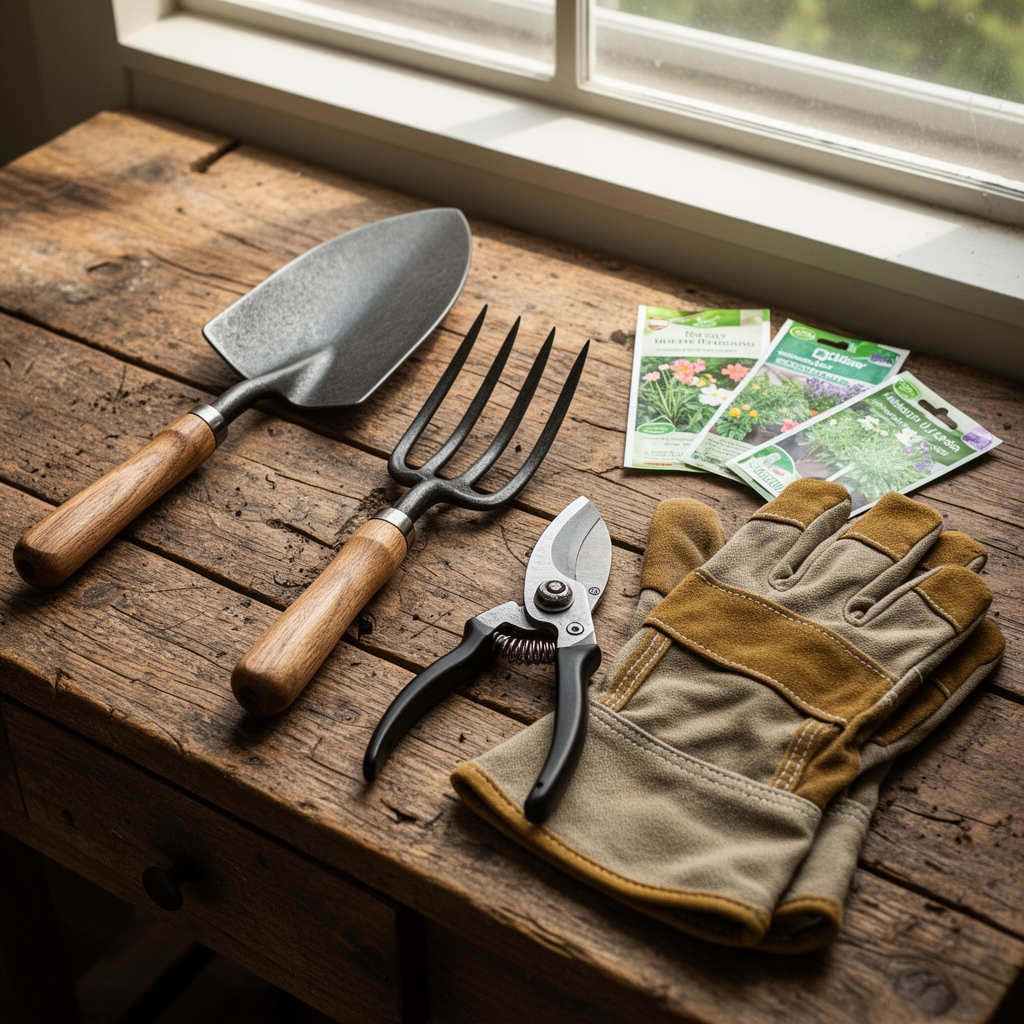
Materials
Begin with a soilless growing medium that balances water retention and aeration. A mixture of 60% peat moss or coir, 30% perlite, and 10% vermiculite provides optimal cation exchange capacity while preventing compaction. Target a pH range of 6.0 to 6.5 for most edible crops and ornamentals. Use a digital pH meter rather than paper strips for accuracy within 0.1 units.
For fertilization, select a balanced organic fertilizer with an NPK ratio of 4-4-4 or 5-5-5 for vegetative growth. Transition to a 2-8-4 formulation when fruiting crops like tomatoes or peppers enter the flowering stage. Mycorrhizal fungi inoculant at 0.5 ounces per gallon of growing medium enhances phosphorus uptake by extending effective root surface area by 100 to 1,000 times.
Containers must provide drainage holes and sufficient volume. A single basil plant requires a minimum of 1 gallon. Tomatoes demand 5 gallons. Lettuce thrives in 0.5-gallon containers spaced 6 inches apart.
Lighting is non-negotiable. Full-spectrum LED grow lights should deliver 400 to 600 micromoles per square meter per second (µmol/m²/s) for leafy greens, 600 to 900 µmol/m²/s for fruiting crops. Position lights 12 to 18 inches above plant canopies and adjust weekly as plants grow.
Timing
Indoor gardening liberates you from hardiness zone constraints, but understanding these zones informs cultivar selection. Varieties bred for Zones 3 through 5 often possess compact growth habits ideal for indoor spaces. These cultivars have been selected for performance in short growing seasons, which translates to faster maturity indoors.
Start seeds 6 to 8 weeks before your intended harvest for leafy greens. Fruiting crops require 10 to 12 weeks from seed to first harvest. Maintain ambient temperatures between 65°F and 75°F during the day, with a 10°F drop at night to simulate natural diurnal patterns that regulate auxin distribution and internode length.
Phases
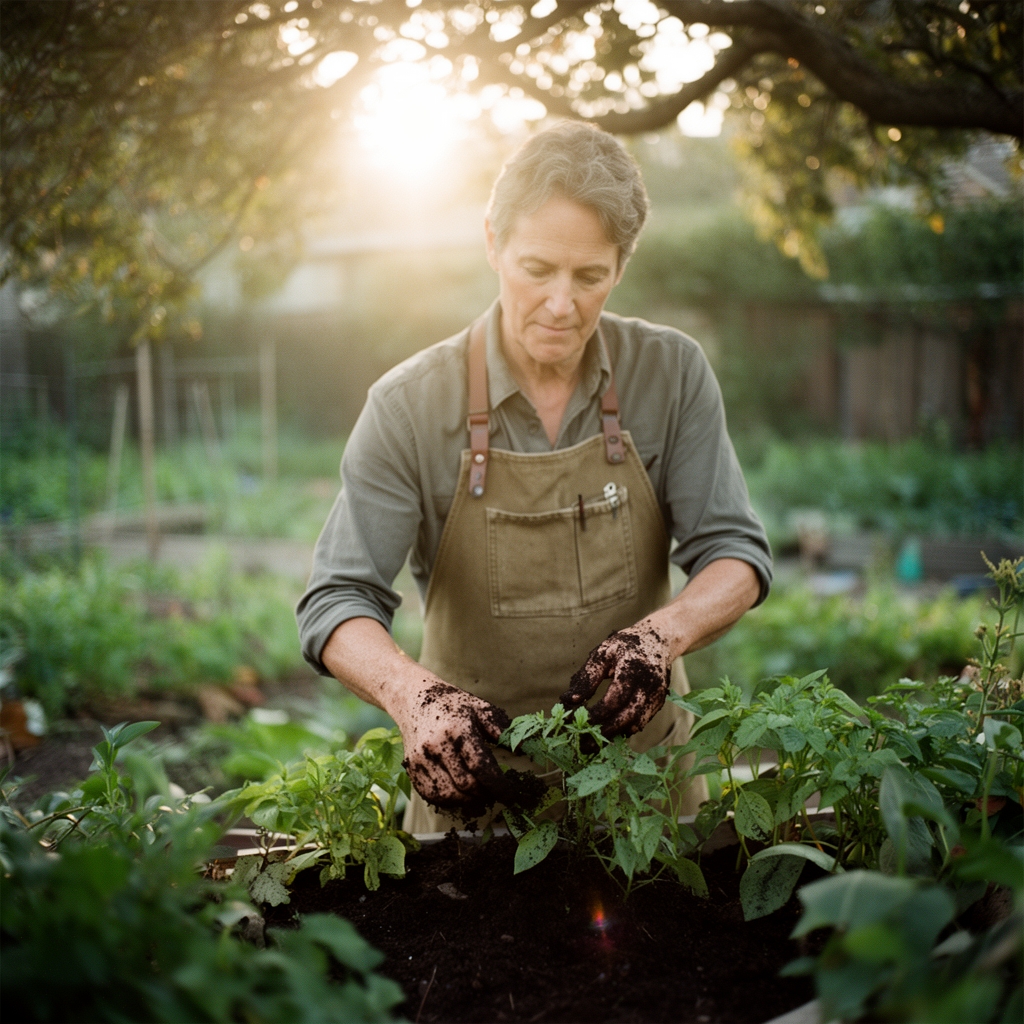
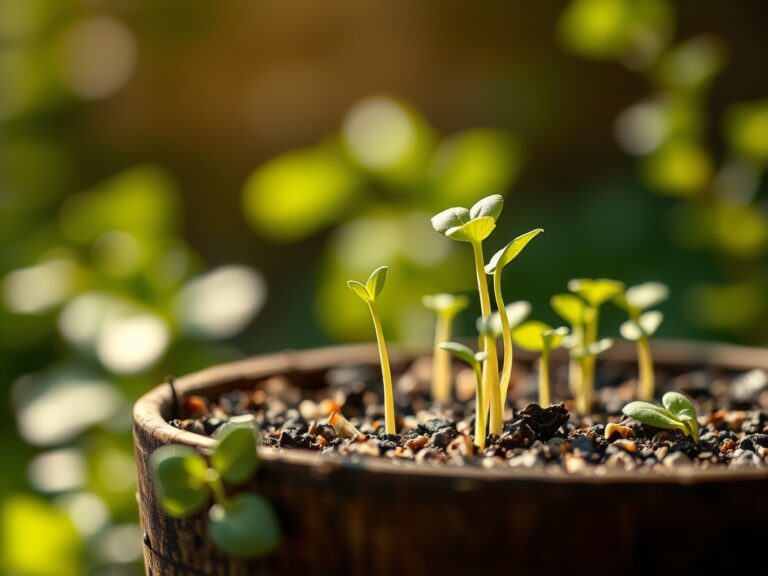
Sowing Phase: Fill containers to within 0.5 inches of the rim with pre-moistened growing medium. Plant seeds at a depth equal to twice their diameter. Lettuce and herbs need light to germinate, so surface-sow and press gently into contact with the medium. Cover containers with humidity domes or clear plastic wrap until germination occurs, typically 3 to 10 days depending on species.
Pro-Tip: Pre-germinate slow-sprouting seeds like parsley by wrapping them in damp paper towels for 48 hours at 70°F before sowing. This reduces germination time by 40%.
Transplanting Phase: When seedlings develop their second set of true leaves (not the initial cotyledons), transplant to final containers. Handle seedlings by their leaves, never by stems. Damaged leaves regenerate, but stem injury often proves fatal. Bury leggy seedlings up to their cotyledons to encourage adventitious root formation along the buried stem portion.
Pro-Tip: Water with a dilute solution of 1-2-1 liquid fertilizer at one-quarter strength immediately after transplanting. This phosphorus boost stimulates root cell division during the critical establishment window.
Establishing Phase: Once transplanted seedlings resume growth (typically 5 to 7 days), increase light intensity gradually over 3 days to prevent photo-oxidative stress. Begin a fertilization schedule of full-strength balanced fertilizer every 7 to 10 days. Monitor leaf color; deep green with slight upward cupping indicates optimal nitrogen levels.
Pro-Tip: Prune growing tips at a 45-degree angle just above a leaf node when plants reach 6 inches in height. This removes apical dominance, redistributes auxins to lateral buds, and produces bushier plants with 30% greater yield.
Troubleshooting
Symptom: Chlorosis (yellowing) of lower leaves while upper leaves remain green. Solution: Nitrogen deficiency. Apply a 10-5-5 liquid fertilizer at label rate immediately, then resume regular 4-4-4 feeding schedule.
Symptom: Brown, crispy leaf margins and tips. Solution: Salt accumulation from over-fertilization or inadequate drainage. Flush containers with three times their volume of pH-adjusted water. Reduce fertilizer concentration by 50% for the next two applications.
Symptom: White powdery coating on leaf surfaces. Solution: Powdery mildew fungal infection. Remove affected leaves. Improve air circulation with a small fan set on low, creating gentle constant movement. Spray remaining foliage with a solution of 1 tablespoon baking soda per quart of water weekly for three weeks.
Symptom: Tiny white insects on leaf undersides that fly when disturbed. Solution: Whitefly infestation. Apply insecticidal soap at 5-tablespoon concentration per gallon, coating leaf undersides thoroughly. Repeat every 5 days for three applications to disrupt the reproductive cycle.
Symptom: Stems elongate excessively with pale, widely-spaced leaves. Solution: Insufficient light intensity. Reduce distance between lights and canopy to 12 inches. Verify light output has not degraded; LEDs lose 30% intensity after 50,000 hours.
Maintenance
Water when the growing medium feels dry 1 inch below the surface. Most herbs and leafy greens require 0.5 to 0.75 inches of water per week. Fruiting crops need 1 to 1.5 inches. Always water until 10% of the applied volume drains from the bottom, ensuring complete root zone saturation and salt leaching.
Rotate containers 90 degrees every 3 days to prevent phototropic bending toward the light source. Prune yellowing or damaged leaves at their base using sterilized scissors. Wipe leaf surfaces monthly with a damp cloth to remove dust that blocks stomata and reduces photosynthetic efficiency by up to 25%.
FAQ
How long do LED grow lights last? Quality LEDs function for 50,000 hours, approximately 11 years under 12-hour daily operation. Replace when output drops below 70% of original intensity.
Can I use garden soil indoors? No. Garden soil compacts in containers, restricts root oxygen, and harbors pathogens. Always use sterile soilless medium formulated for container growing.
What causes leggy seedlings? Insufficient light intensity or excessive heat. Lower temperatures to 68°F and position lights 6 inches above seedlings during the first two weeks.
How often should I fertilize? Every 7 to 10 days during active growth with diluted liquid fertilizer. Reduce to every 14 days during winter months when growth naturally slows.
Do indoor plants need pollination? Self-pollinating crops like tomatoes and peppers benefit from gentle shaking of flowering stems daily to distribute pollen. Simulate wind vibration for 5 seconds per plant.