8 Best Peat Moss Alternatives for Sustainability
The smell of damp earth after a heavy rain signals the activation of dormant microbes in the rhizosphere. When you squeeze a handful of high-quality substrate, it should maintain its structure briefly before crumbling under slight pressure. This friability is essential for gas exchange and root penetration. Modern horticulture is moving away from traditional bogs due to the slow regeneration rates of sphagnum. Identifying the best peat moss alternatives requires a technical understanding of water holding capacity and air-filled porosity. A plant with high turgor pressure stands erect because its vacuoles are filled with water; achieving this without peat requires substrates that mimic its acidic pH and high cation exchange capacity.
Materials:
Selecting a substrate depends on the target species and its specific nutritional requirements. The ideal medium is a friable loam that balances drainage with moisture retention.
- Coconut Coir: Derived from husks, this material has a neutral pH of 5.8 to 6.8. It offers superior water retention compared to peat. It contains high levels of potassium but lacks nitrogen; typical NPK is 0-0-1.
- Pine Bark: Finely aged bark provides an acidic pH of 4.0 to 5.0. It is excellent for acid-loving plants like blueberries. Its NPK ratio is negligible, often 0.1-0.1-0.1.
- Rice Hulls: These are the parboiled husks of rice grains. They increase drainage and have a pH of 6.5 to 7.0.
- Leaf Mold: Created through the fungal decomposition of deciduous leaves. It has a high Cation Exchange Capacity (CEC) and a pH of 6.0 to 7.5.
- Composted Bark: This material provides a stable carbon source. It usually tests at a pH of 6.2.
- Wood Fiber: Thermally treated wood chips offer high air-filled porosity. The pH is typically 5.5 to 6.5.
- Hemp Hurd: The woody core of the hemp plant. It is highly absorbent and biodegradable with a pH of 7.0.
- Biochar: A carbon-rich solid that improves soil structure and sequesters carbon. It has a high pH of 8.0 to 9.0 and must be used sparingly to avoid spiking alkalinity.
Timing:
Successful cultivation depends on aligning the substrate transition with the Hardiness Zones and the biological clock of the specimen. In Zones 3 through 6, the window for transitioning perennials into peat-free mixes is typically 6 to 8 weeks before the first frost or immediately after the last spring frost. This allows the root system to establish before the plant enters dormancy.
The biological clock governs the transition from the vegetative stage to the reproductive stage. This shift is often triggered by the photoperiod. During the vegetative phase, plants require high nitrogen to build chlorophyll. As they move toward senescence or flowering, the demand shifts toward phosphorus and potassium. Using peat alternatives like coconut coir requires earlier fertilization because coir does not contain the same initial micronutrient load as some enriched peat mixes.
Phases:
Sowing
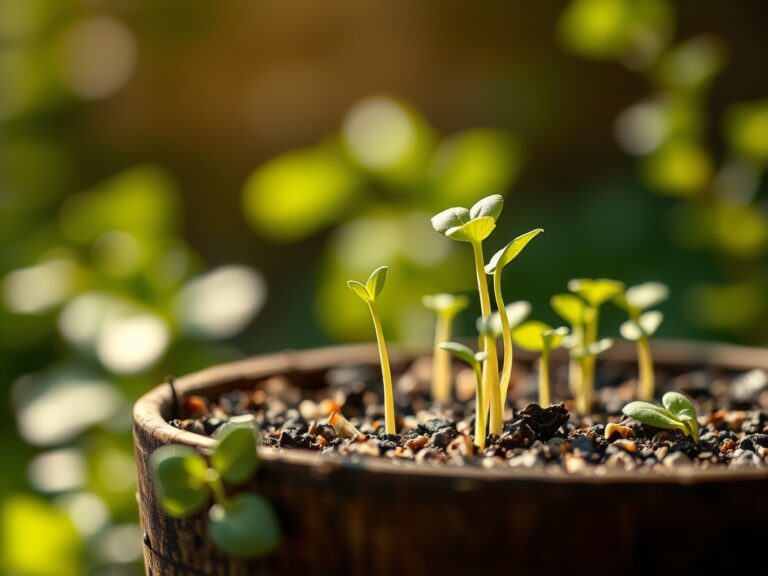
Seeds require a fine-textured medium to ensure intimate seed-to-soil contact. Use a screened coconut coir or fine wood fiber. Maintain a consistent temperature of 65 to 75 degrees Fahrenheit for most temperate species.
Pro-Tip: Maintain high moisture levels to trigger imbibition. This is the biological process where the seed coat absorbs water, activating enzymes that start the growth process.
Transplanting
When the second set of true leaves appears, move the seedling to a larger container. Use a mix of 40% pine bark, 40% coir, and 20% perlite. Ensure the root ball is not compressed during the move to prevent root zone hypoxia.
Pro-Tip: Minimize light exposure to the roots during this phase to prevent auxin suppression. Auxins are hormones that promote root elongation; light exposure can stall their production and cause transplant shock.
Establishing
Once in the ground or final pot, monitor the turgor pressure daily. Use a soil moisture meter to ensure the root zone stays between 40% and 60% field capacity.
Pro-Tip: Encourage mycorrhizal symbiosis by adding fungal inoculants to the peat-free mix. These fungi extend the root system's reach, improving the uptake of phosphorus and micronutrients in substrates with lower CEC.
The Clinic:
Physiological disorders often stem from substrate imbalances.
- Symptom: Interveinal chlorosis (yellowing between leaf veins) on new growth.
- Solution: This indicates an Iron deficiency, often caused by high pH in biochar-heavy mixes. Lower the pH to 5.5 using elemental sulfur.
- Symptom: Purpling of lower leaves and stunted growth.
- Solution: Phosphorus deficiency. This occurs in cold, wet peat-free soils. Increase the ambient temperature to 60 degrees Fahrenheit and apply a water-soluble 0-10-0 fertilizer.
- Symptom: Leaf tip burn or marginal necrosis.
- Solution: Calcium deficiency or salt accumulation. Coconut coir can have high sodium levels if not buffered. Flush the substrate with three volumes of fresh water for every one volume of pot size.
Fix-It for Nitrogen Chlorosis: If the entire plant turns pale green, it lacks nitrogen. Apply a high-nitrogen liquid feed, such as a 5-1-1 fish emulsion, at half strength every seven days until color returns.
Maintenance:
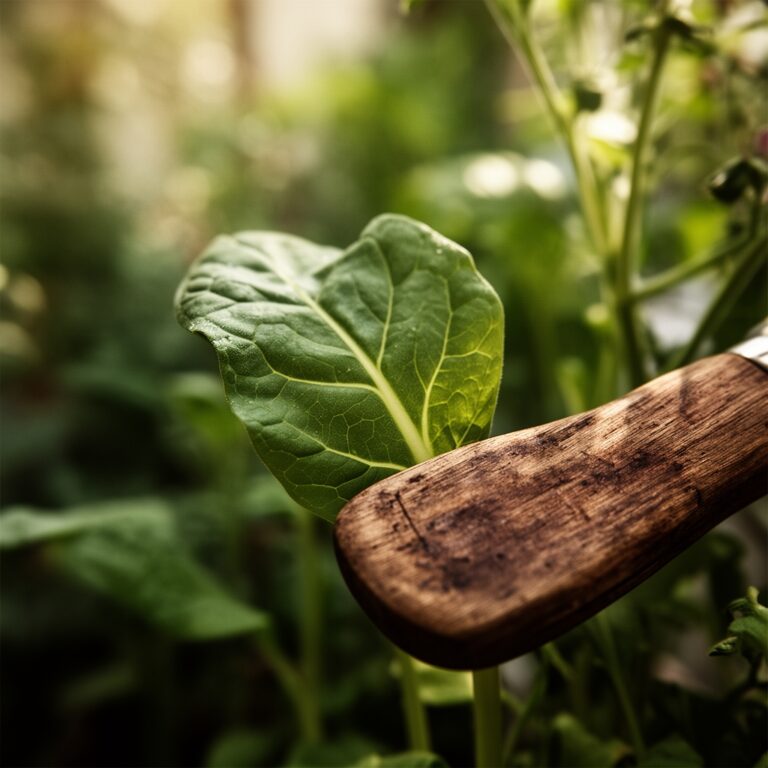
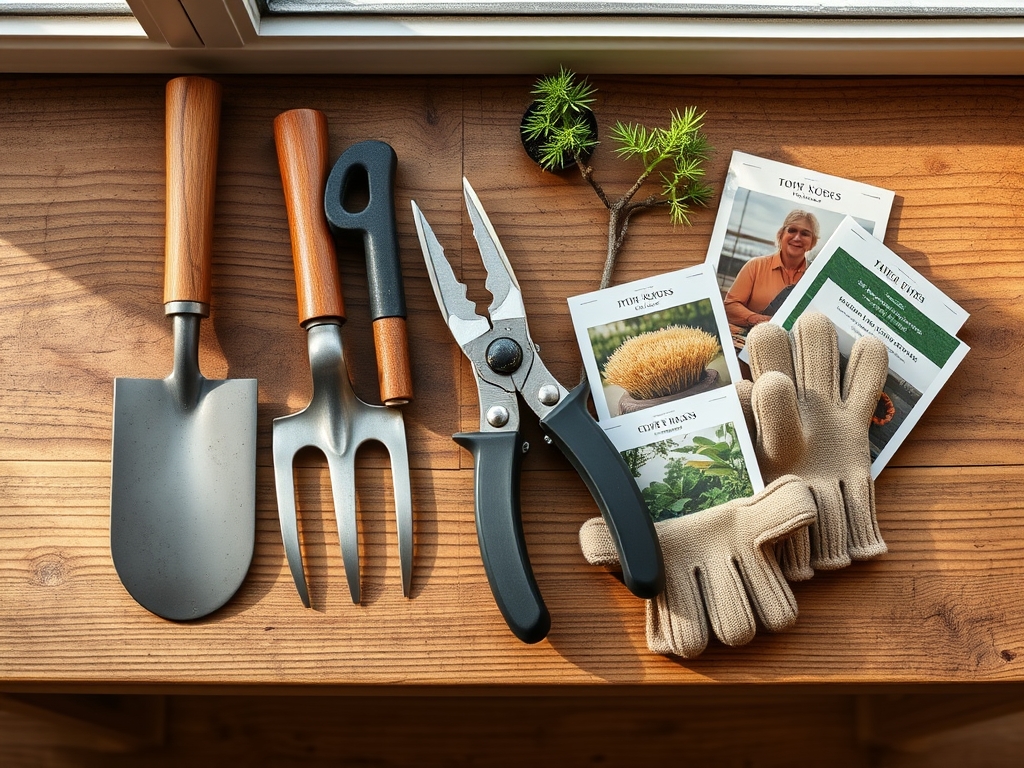
Precision is the hallmark of a professional horticulturist. Deliver 1.5 inches of water per week at the drip line rather than the stem to prevent crown rot. Use a hori-hori knife to remove deep-rooted weeds without disturbing the primary root architecture. When pruning, use sharp bypass pruners to make clean cuts at a 45-degree angle just above a node. This promotes rapid callousing and prevents pathogen entry. Check the substrate density monthly with a soil moisture meter; if the alternative substrate has compacted, use a thin rod to aerate the soil gently.
The Yield:
Harvesting should occur when the plant reaches peak secondary metabolite production or optimal sugar content. For leafy greens, harvest in the early morning when turgor pressure is highest. Use a sharp blade to prevent bruising the vascular tissue. For flowers, cut when the buds are "cracking" color but not fully open. To maintain day-one freshness, immediately submerge the cut stems in 40-degree Fahrenheit water to slow the rate of respiration and prevent premature senescence.
FAQ:
Is coconut coir better than peat moss?
Coir offers superior water retention and a more neutral pH. It is more sustainable because it is a byproduct of the coconut industry. However, it requires thorough rinsing to remove residual salts that can inhibit root development.
How do I adjust the pH of wood-based alternatives?
Wood-based substrates tend to be acidic. If the pH drops below 5.0, incorporate dolomitic lime at a rate of 5 pounds per 100 square feet. This raises the pH and provides essential calcium and magnesium to the rhizosphere.
Do peat alternatives require more fertilizer?
Yes. Alternatives like bark and wood fiber can cause nitrogen immobilization as microbes break down the carbon. Increase nitrogen application by 20% during the first growing season to compensate for this biological consumption.
Can I mix different peat alternatives together?
Combining materials is recommended to balance drainage and retention. A ratio of 60% coconut coir and 40% aged pine bark creates a professional-grade medium with excellent cation exchange and aeration for most container-grown species.