8 Best Indoor Potting Mix Brands for Growth
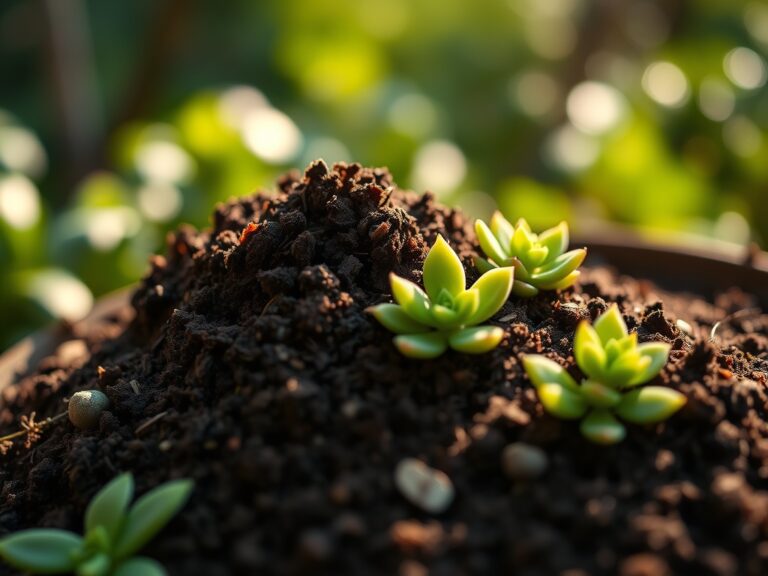
The smell of damp peat and the gritty texture of perlite between your fingers signal the start of a successful indoor season. When a plant achieves maximum turgor pressure, its cell walls are rigid and its leaves stand perpendicular to the light source. This physiological state depends entirely on the rhizosphere. Selecting the best indoor potting mix brands requires an understanding of pore space and gas exchange. A stagnant medium leads to root senescence; a superior medium facilitates the movement of oxygen and nutrients to the root hairs. Professional growers prioritize substrates that balance water retention with rapid drainage to prevent anaerobic conditions. This guide analyzes the technical specifications of the top eight industry standards to ensure your indoor specimens reach their full genetic potential.
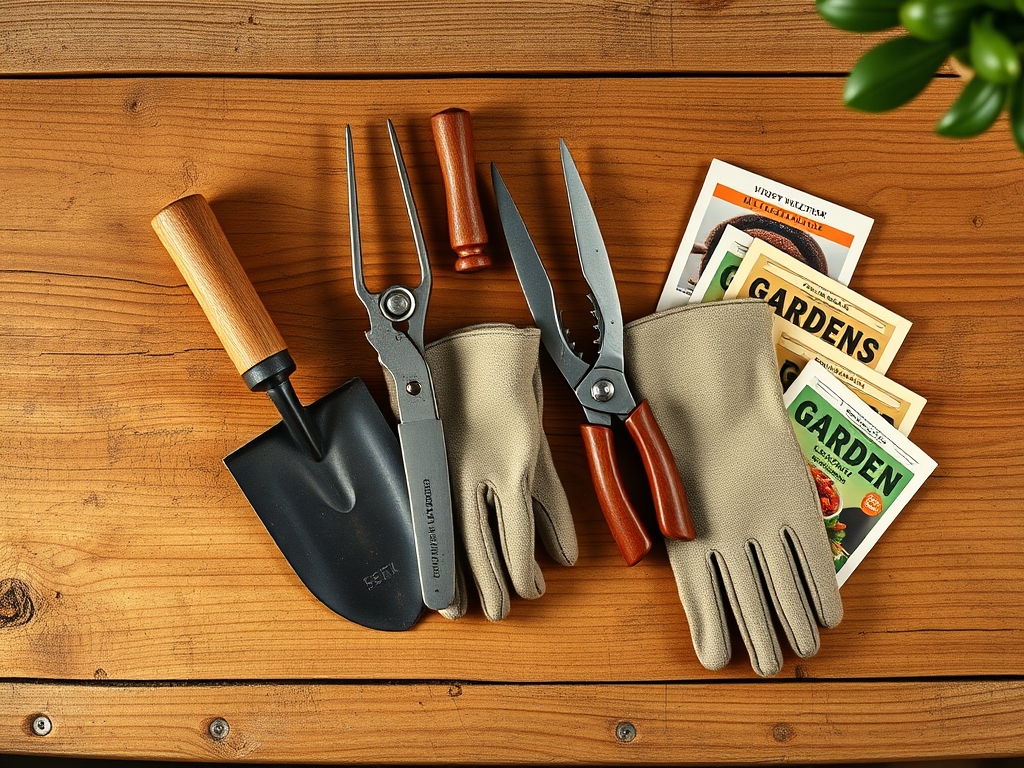
Materials:
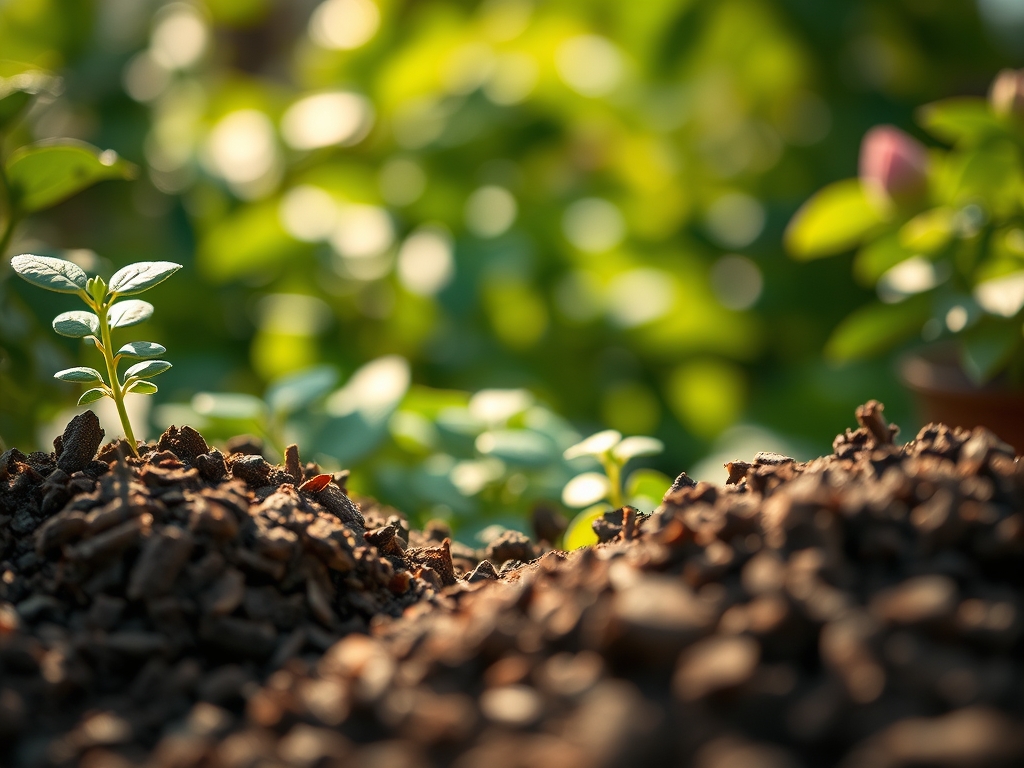
The ideal substrate is a friable loam mimic that maintains a pH between 5.8 and 6.5. This range ensures that micronutrients like iron and manganese remain bioavailable. High-quality mixes utilize a specific NPK ratio, often starting at 0.05-0.01-0.03 for seedlings to prevent osmotic shock.
- FoxFarm Ocean Forest: This mix features a Cation Exchange Capacity (CEC) buffered by crustacean meal and earthworm castings. It maintains a slightly acidic profile ideal for heavy feeders.
- Espoma Organic Potting Mix: Enhanced with Myco-Tone, a proprietary blend of endo and ectomycorrhizae, it increases root surface area by up to 100 times.
- Burpee Premium Organic: Formulated with coconut coir, which has a higher lignin content than peat, ensuring the structure does not collapse over a 12 month period.
- Miracle-Gro Performance Organics: A high-nitrogen option with an NPK of 0.19-0.03-0.03, designed for rapid vegetative growth in aroids and tropicals.
- Black Gold All Purpose: Contains multi-size pumice and cinders to ensure a high percentage of macro-pores for oxygenation.
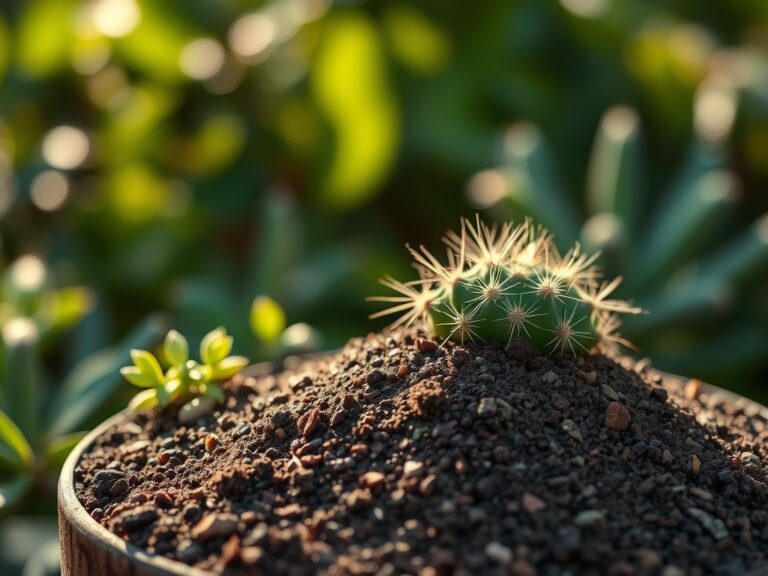
- Hoffman Organic Cactus and Succulent: A specialized mix with a high sand and grit content, lowering water retention to prevent parenchyma rot.
- Sun Gro Horticulture Sunshine Mix #4: A professional-grade peat and perlite blend with a highly consistent particle size for uniform drainage.
- Roots Organics Original: A complex media utilizing bat guano and kelp meal to provide a slow-release nutrient profile that mimics a forest floor.
Timing:
Indoor cultivation bypasses traditional Hardiness Zones; however, the ambient environment still dictates the biological clock. Most indoor plants originate from tropical regions (Zones 10 to 12) where the photoperiod remains relatively constant. For temperate species brought indoors, you must mimic the frost-date windows of their native habitat to trigger the transition from vegetative to reproductive stages.
The biological clock is regulated by phytochrome proteins. If you are starting seeds in a controlled environment, aim for a consistent 65 to 75 degrees Fahrenheit. Lowering the temperature by 10 degrees at night mimics natural diurnal cycles and strengthens the vascular system. When the photoperiod shifts to less than 12 hours of light, many species begin senescence or enter dormancy. You must monitor the soil temperature with a probe; root activity slows significantly below 55 degrees Fahrenheit.
Phases:
Sowing
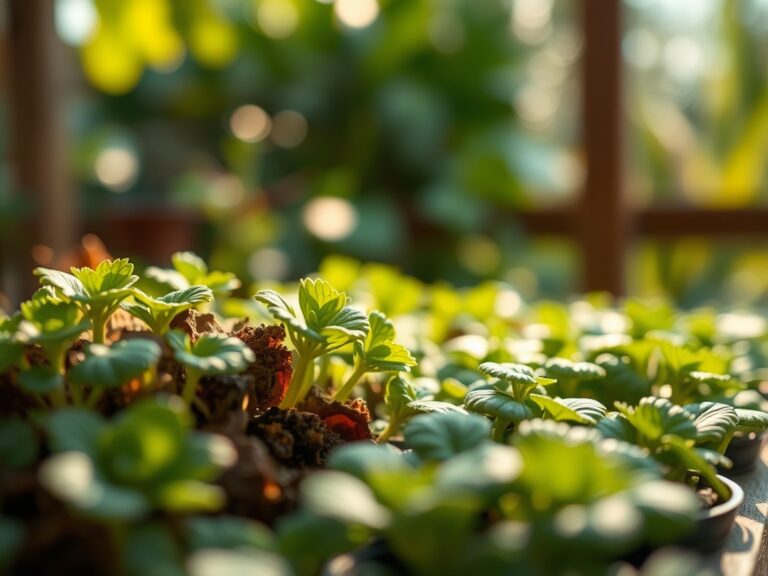
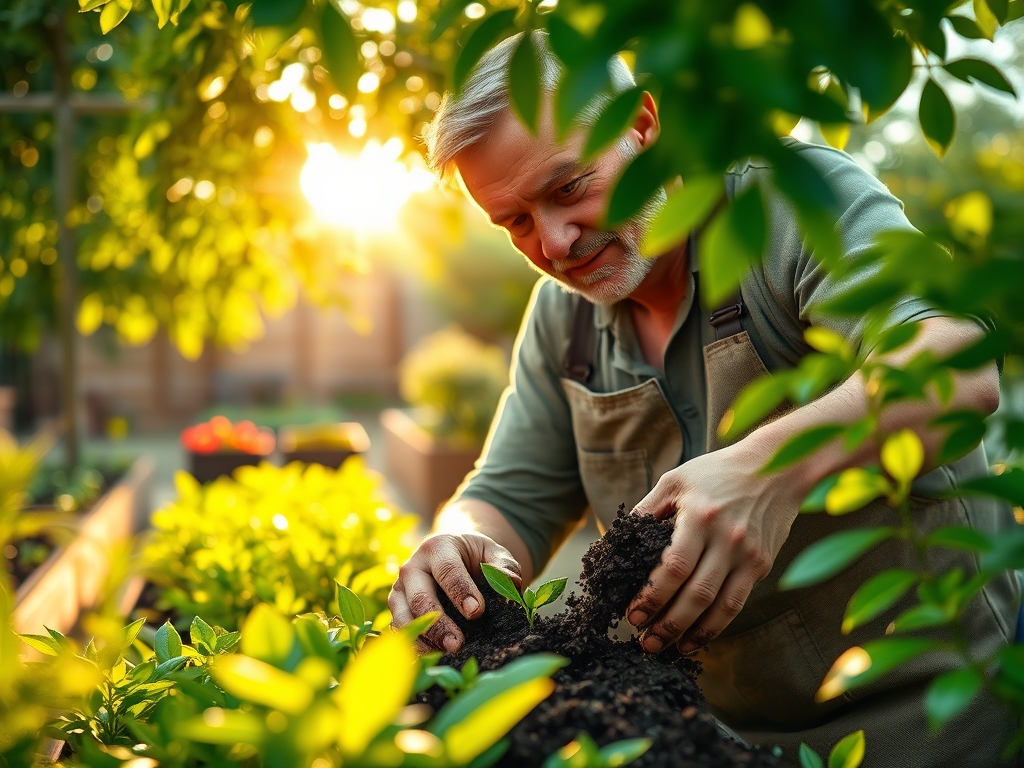
Begin with a sterile, fine-textured seed starting mix. The particle size should be less than 2 millimeters to ensure maximum seed-to-soil contact. Maintain a moisture level equivalent to a wrung-out sponge.
Pro-Tip: Use bottom heat to increase the metabolic rate of the embryo. This accelerates the emergence of the radicle by stimulating enzyme production before the first true leaves begin photosynthesis.
Transplanting
Move the specimen when the root system has occupied 70 percent of the current container volume. Select a potting mix with a higher CEC to support the expanded biomass. Ensure the new medium is pre-moistened to avoid hydrophobic dry spots.
Pro-Tip: When transplanting, avoid disturbing the root ball to prevent "transplant shock." This occurs when the fine root hairs are damaged, causing a temporary cessation of auxin production, which halts new growth.
Establishing
Once the plant is in its permanent vessel, focus on structural integrity. Use a mix with aged bark or coarse perlite to provide mechanical support for the root architecture. Monitor the Electrical Conductivity (EC) of the runoff to ensure salts are not accumulating.
Pro-Tip: Implement "air-pruning" by using fabric pots. When roots reach the edge of the container and encounter air, the apical meristem of the root dies back, triggering the plant to produce a denser, more fibrous root system internally.
The Clinic:
Physiological disorders often mimic pathogen attacks but are usually rooted in substrate failure or nutrient lockout.
- Symptom: Interveinal chlorosis on new leaves.
Solution: This indicates an Iron (Fe) deficiency, often caused by a soil pH rising above 7.0. Lower the pH using elemental sulfur or chelated iron drench. - Symptom: Tip burn on older foliage.
Solution: This is typically a sign of salt accumulation from synthetic fertilizers. Flush the substrate with three times the volume of the pot using distilled water to reset the EC levels. - Symptom: Edema (corky bumps on leaf undersides).
Solution: The plant is taking up water faster than it can transpire. Increase airflow and reduce watering frequency to allow the substrate to dry to a depth of 2 inches.
Fix-It: For Nitrogen chlorosis (general yellowing of lower leaves), apply a liquid fertilizer with a high first number in the NPK ratio, such as a 5-1-1 fish emulsion, to provide immediate bioavailable nitrogen.
Maintenance:
Precision is the hallmark of a master horticulturist. Use a soil moisture meter to verify the volumetric water content before irrigating. Most indoor tropicals require the top 1 to 2 inches of soil to dry out, while succulents require the entire profile to reach a moisture level of 10 percent or less.
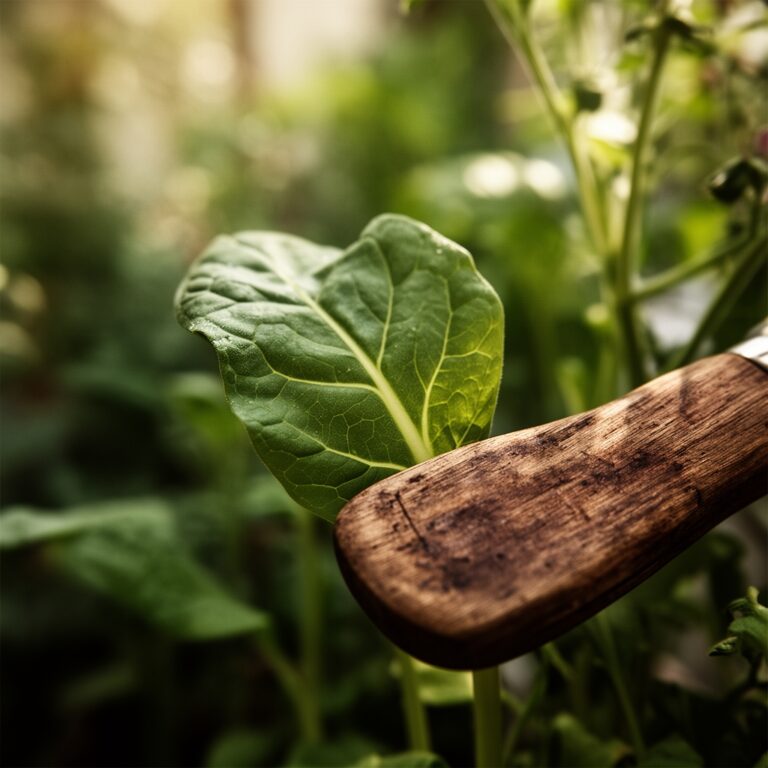
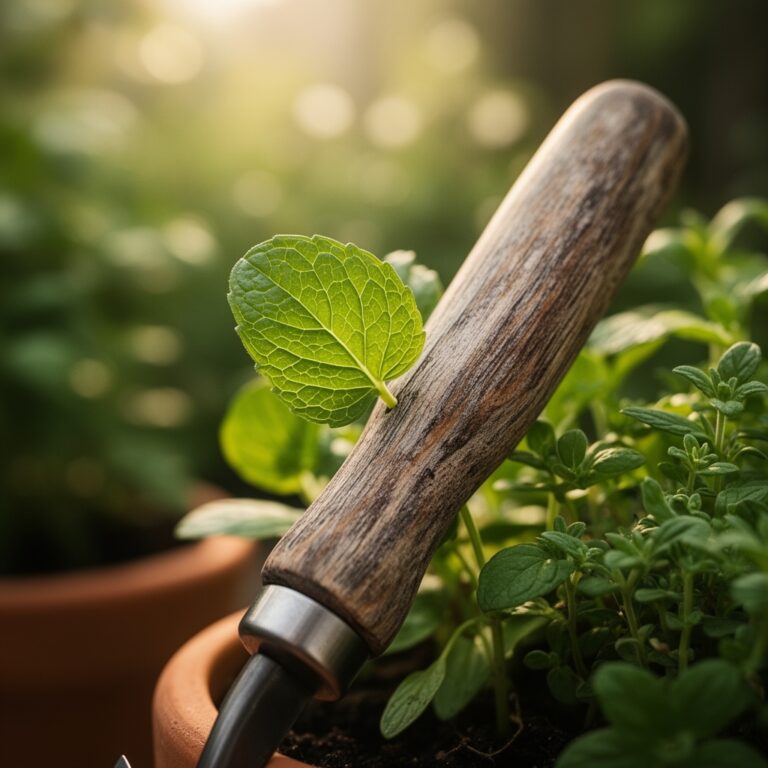
When pruning for shape or health, use sterilized bypass pruners to make clean cuts at a 45-degree angle just above a node. This encourages lateral branching and prevents dieback. For repotting, a hori-hori knife is essential for loosening pot-bound roots and slicing through compacted substrate. Apply water at the base of the plant, aiming for the drip line, to ensure the entire root zone is saturated without wetting the foliage, which can invite fungal spores.
The Yield:
For indoor herbs or flowering plants, harvest timing is critical for essential oil concentration. Harvest leafy greens in the early morning when turgor pressure is at its peak. Use sharp shears to avoid crushing the vascular tissue. For flowers, cut when the buds are "half-open" to ensure maximum vase life.
Post-harvest, immediately submerge the stems in 40-degree Fahrenheit water to remove field heat and slow the rate of respiration. This technique preserves the sugars and volatile compounds within the tissue, maintaining "day-one" freshness and structural rigidity.
FAQ:
What defines a high-quality indoor potting mix?
A premium mix balances water retention with aeration. It should contain high-quality organic matter like peat or coir, drainage agents like perlite or pumice, and a buffered pH between 5.8 and 6.5 to ensure nutrient availability.
How often should I replace indoor potting soil?
Replace soil every 12 to 18 months. Over time, organic components decompose, leading to compaction and reduced oxygen levels. Salt buildup from fertilizers can also reach toxic levels, necessitating a fresh substrate for root health.
Can I use garden soil for indoor plants?
No. Garden soil is too dense for containers and lacks the necessary pore space for gas exchange. It often harbors pathogens, pests, and weed seeds that thrive and multiply rapidly in a controlled indoor environment.
What is the role of perlite in potting mix?
Perlite is a volcanic glass expanded by heat. It creates "macro-pores" in the soil, allowing excess water to drain and oxygen to reach the roots. This prevents the anaerobic conditions that lead to root rot.