8 Best Indoor Herb Garden Kits for Your Kitchen
The scent of fresh basil crushed between fingertips, the sharp mineral note of cilantro stems snapped at dawn, the resinous oils of rosemary releasing into warm kitchen air—these experiences no longer require garden space or favorable weather. The best indoor herb garden kits bring professional-grade cultivation into apartments, condos, and homes where outdoor growing remains impossible. These systems integrate controlled-spectrum LED arrays, hydroponic reservoirs, and pre-seeded pods to eliminate the traditional barriers of soil preparation, light exposure, and seasonal timing.
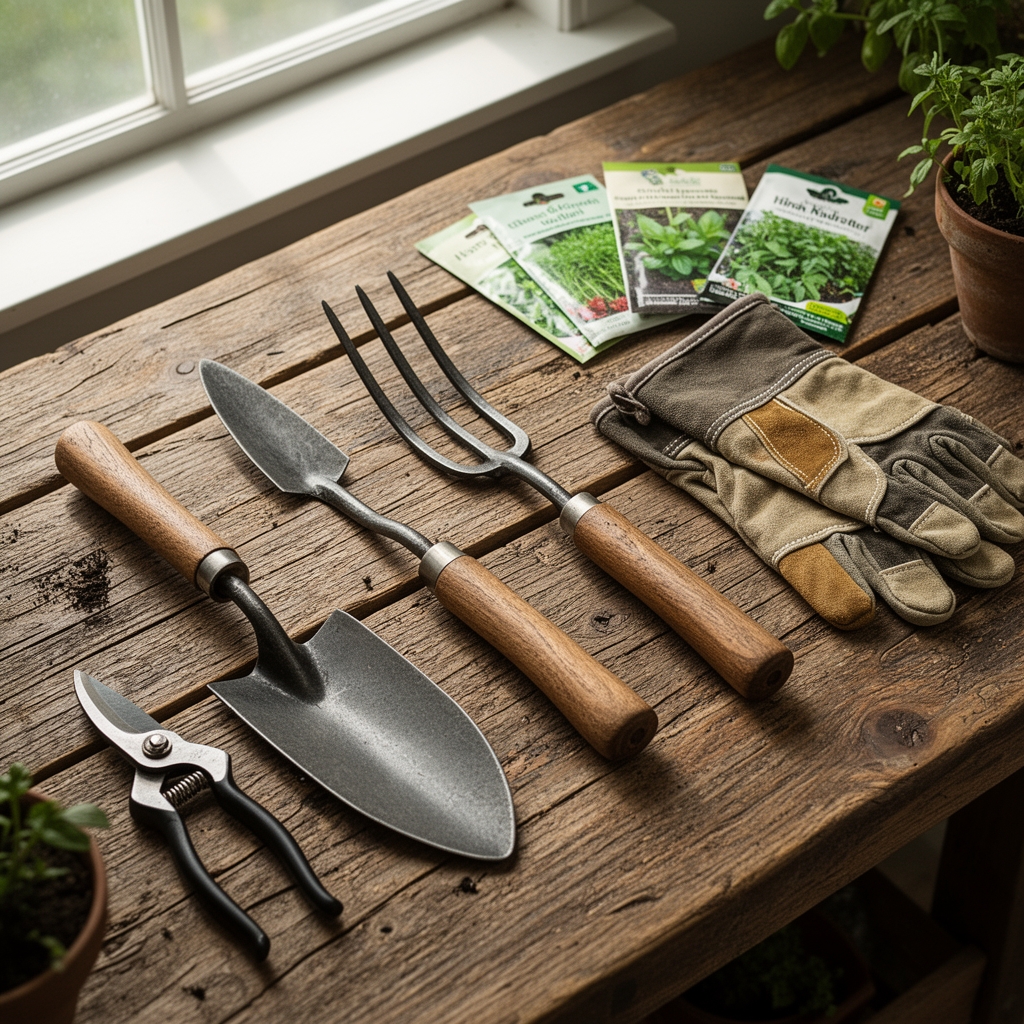
Materials
AeroGarden Bounty Elite operates on a recirculating hydroponic principle with a 40-watt full-spectrum LED panel. The nutrient solution requires a balanced 4-4-4 NPK ratio delivered at 1.2-1.5 EC (electrical conductivity). The system maintains pH between 5.5 and 6.2, optimal for basil, parsley, and dill. The reservoir holds one gallon and demands weekly top-ups during peak vegetative growth.
Click & Grow Smart Garden 9 uses proprietary growth medium cartridges composed of peat, controlled-release fertilizer, and vermiculite. The embedded fertilizer releases at approximately 3-1-2 NPK over 90 days. The system's 12-watt LED array delivers 6,500K color temperature. Substrate pH stabilizes near 6.0, suitable for Mediterranean herbs like thyme and oregano.
Gardyn Home Kit 3.0 employs vertical tower architecture with 30 pod capacity. The nutrient concentrate provides 3-2-6 NPK with added calcium and magnesium. The recirculating pump operates on 15-minute cycles, maintaining dissolved oxygen above 6 ppm. Water pH requires manual adjustment to 5.8-6.3 using phosphoric acid or potassium hydroxide.
iDOO 12-Pod System features independent water level indicators and a 4.5-liter reservoir. The included nutrients follow a two-part formula: vegetative phase at 7-9-5 NPK and flowering phase at 3-8-8 NPK. The 24-watt LED panel operates on a 16-hour photoperiod. Cation exchange capacity in the grow sponges reaches 15-20 meq/100g, comparable to quality peat-based media.
Miracle-Gro Twelve Indoor combines soil-based pods with 25-watt LED grow lights. The starter mix contains Canadian sphagnum peat, processed coconut coir, and perlite at 3:2:1 ratio. Base pH measures 5.8, requiring no adjustment for most culinary herbs. The time-release fertilizer pellets provide 9-4-12 NPK over four months.
Timing
Indoor herb garden kits bypass traditional hardiness zone constraints and last-frost calculations. However, seed germination rates respond to ambient temperature. Basil germinates optimally at 70-80°F, emerging in 5-7 days. Parsley requires 65-75°F and 14-21 days for emergence due to slower radicle development. Cilantro performs best at 60-68°F, germinating in 7-10 days. Temperature deviation of more than 10 degrees extends germination by 40-60 percent.
Photoperiod determines vegetative versus reproductive allocation. Most culinary herbs require 14-16 hours of light for sustained leaf production. Basil initiates flowering under 12-hour days, redirecting auxin distribution from apical meristems to floral primordia. Maintaining 16-hour photoperiods suppresses bolting for 8-12 additional weeks.
Phases
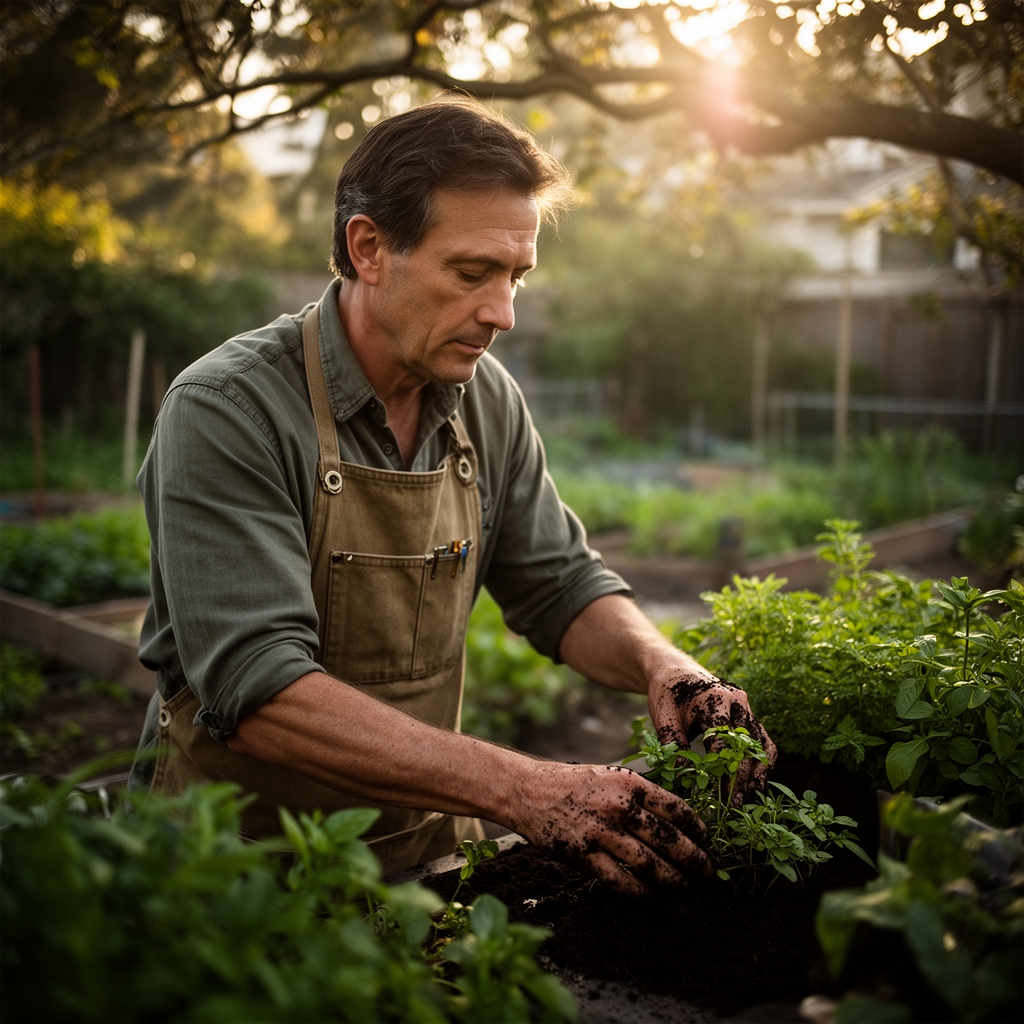
Sowing Phase begins with pod hydration. Pre-seeded systems require 24-48 hours for complete medium saturation. Water uptake activates gibberellic acid within seed coats, triggering enzymatic conversion of starches to sugars. Maintain reservoir temperature at 72-76°F using aquarium heaters if ambient conditions fall below 68°F. Humidity domes retain 85-95 percent relative humidity, preventing surface desiccation during the critical 72-hour imbibition window.
Pro-Tip: Inoculate hydroponic reservoirs with Bacillus subtilis at 1×10^6 CFU/ml during initial fill. This beneficial bacterium colonizes root zones and suppresses Pythium root rot through competitive exclusion and antibiotic production.
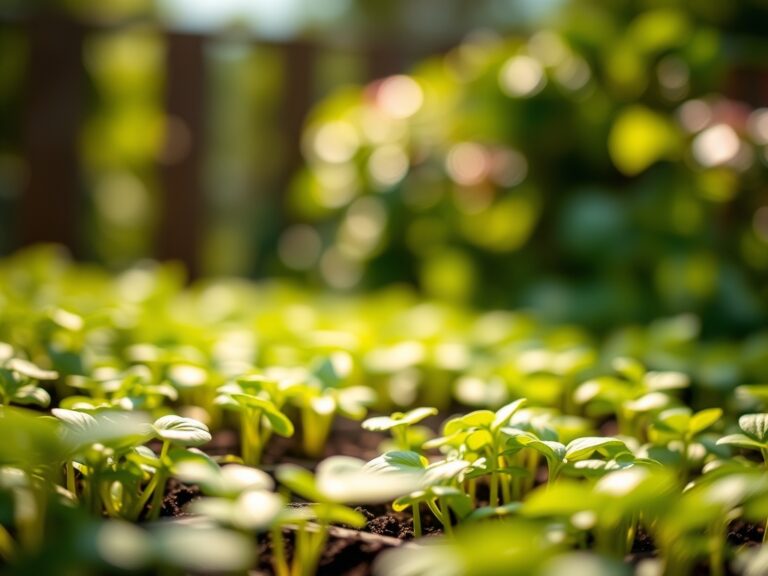
Transplanting Phase occurs at the two-true-leaf stage, typically 12-18 days post-germination. Root systems extend 1.5-2 inches, requiring contact with nutrient solution in hydroponic systems. Soil-based kits demand no transplanting but benefit from thinning. Remove weaker seedlings at soil level using sterilized scissors, leaving one plant per pod. This eliminates root disturbance while reducing competition for light and nutrients.
Pro-Tip: Apply 200 ppm silicon supplement (potassium silicate) at transplant. Silicon incorporation into cell walls increases mechanical strength by 30-40 percent and enhances drought tolerance through improved water retention.
Establishing Phase spans weeks 3-8. Vegetative growth accelerates as root hydraulic conductivity increases. Basil produces 4-6 new nodes weekly under optimal conditions. Pinch terminal buds above the fourth node at day 21, forcing lateral branching. Each pinch doubles harvest-ready foliage within 14 days. Prune at 45-degree angles 1/4 inch above node intersections to prevent water accumulation and fungal infection.
Pro-Tip: Introduce mycorrhizal fungi (Rhizophagus irregularis) at 300 spores per plant during week three. Fungal hyphae extend effective root surface area by 10-100x, improving phosphorus uptake in systems with lower P availability.
Troubleshooting
Symptom: Interveinal chlorosis on new growth, pH above 7.0. Solution: Lower pH to 5.8-6.2 using 1 ml phosphoric acid per gallon. Chlorosis indicates iron lockout caused by alkaline conditions reducing Fe3+ solubility. Chelated iron at 5 ppm provides immediate correction while pH adjustment prevents recurrence.
Symptom: Brown leaf margins, EC above 2.5. Solution: Drain reservoir by 50 percent and refill with pure water. Salt accumulation from over-fertilization creates osmotic stress, preventing root water uptake. Reduce nutrient concentration to 1.2-1.8 EC for recovery phase.
Symptom: White powdery coating on leaf surfaces, humidity above 70 percent. Solution: Powdery mildew (Oidium sp.) thrives in stagnant, humid air. Reduce humidity to 50-60 percent using dehumidifiers or improved air circulation. Apply 1:9 milk-to-water foliar spray every three days. Milk proteins contain enzymes that degrade fungal cell walls.
Symptom: Webbing between stems, microscopic moving dots on leaf undersides. Solution: Two-spotted spider mites (Tetranychus urticae) proliferate in dry, warm conditions. Raise humidity to 65 percent and apply insecticidal soap at 2 percent concentration. Spray leaf undersides thoroughly, repeating every five days for three applications.
Symptom: Leggy growth, pale green coloration, plants leaning toward light. Solution: Insufficient light intensity causes etiolated growth. Lower LED panel to 6-8 inches above canopy or increase photoperiod to 18 hours. Prune stretched stems back to healthy nodes.
Maintenance
Refill reservoirs when water levels drop to the minimum line, typically every 5-7 days. Top up with pH-adjusted water at 6.0. Add nutrients at half-strength weekly for hydroponic systems. Soil-based kits require liquid fertilizer at 1/4-strength every two weeks after initial 60-day nutrient depletion.
Harvest herbs in the morning after stomata close but before afternoon heat stress. Remove no more than one-third of total foliage per harvest to maintain photosynthetic capacity. Cut stems 1/4 inch above leaf nodes using clean shears sterilized with 70 percent isopropyl alcohol.
Clean reservoirs monthly using hydrogen peroxide solution (3 percent concentration, 30-minute contact time). This eliminates biofilm accumulation that harbors anaerobic bacteria and reduces dissolved oxygen. Scrub all surfaces with non-abrasive pads and rinse thoroughly.
Replace grow lights annually. LED efficiency degrades 20-30 percent over 12-18 months of continuous operation. Reduced photosynthetic photon flux density (PPFD) below 200 micromoles/m²/s limits growth rates and essential oil production.
FAQ
How long do indoor herb garden kits last?
Hydroponic systems function for 5-10 years with proper maintenance. Pod-based cartridges require replacement every 3-4 months as nutrients deplete. LED panels need replacement at 18-24 months.
Can I grow herbs from my own seeds?
Universal systems like AeroGarden and iDOO accept custom seeds in reusable pods. Use rock wool cubes or grow sponges cut to pod dimensions. Germination rates match proprietary pods when moisture remains consistent.
Do indoor herbs taste different from outdoor herbs?
Essential oil content depends on light intensity and spectrum. Indoor herbs under full-spectrum LEDs at 300+ PPFD produce comparable terpene profiles to outdoor plants. Insufficient light reduces volatile compound synthesis by 40-60 percent.
How much electricity do these systems use?
A 25-watt system operating 16 hours daily consumes 12 kWh monthly, costing approximately $1.50 at average U.S. rates. Larger 40-watt systems use 19.2 kWh, costing $2.30 monthly.
What herbs grow best indoors?
Basil, parsley, cilantro, thyme, and oregano thrive in controlled environments. Mint grows aggressively and requires dedicated systems. Rosemary demands lower humidity (40-50 percent) and struggles in enclosed high-humidity kits.