7 Benefits of Best Perlite for Soil Drainage
Crushing a handful of damp, anaerobic clay between your fingers reveals the suffocating reality of poor aeration; it is a cold, dense mass that denies the rhizosphere the oxygen required for cellular respiration. Healthy plants demand high turgor pressure, which is only achievable when the root system can drink without drowning. Utilizing the best perlite for soil drainage transforms heavy substrates into porous, breathable environments that facilitate rapid gas exchange. This volcanic glass, expanded at temperatures exceeding 1,600 degrees Fahrenheit, creates a network of macroscopic pores that prevent compaction. When the soil structure allows for a balance of 25 percent air and 25 percent water, the plant responds with aggressive lateral root development and rigid, upright stems. You can smell the difference in a well-aerated medium; it lacks the sour, sulfuric odor of rot and instead carries the clean, earthy scent of active microbial life. Precision in drainage is not a luxury; it is the fundamental requirement for preventing root senescence and ensuring the metabolic efficiency of every seedling in your greenhouse.
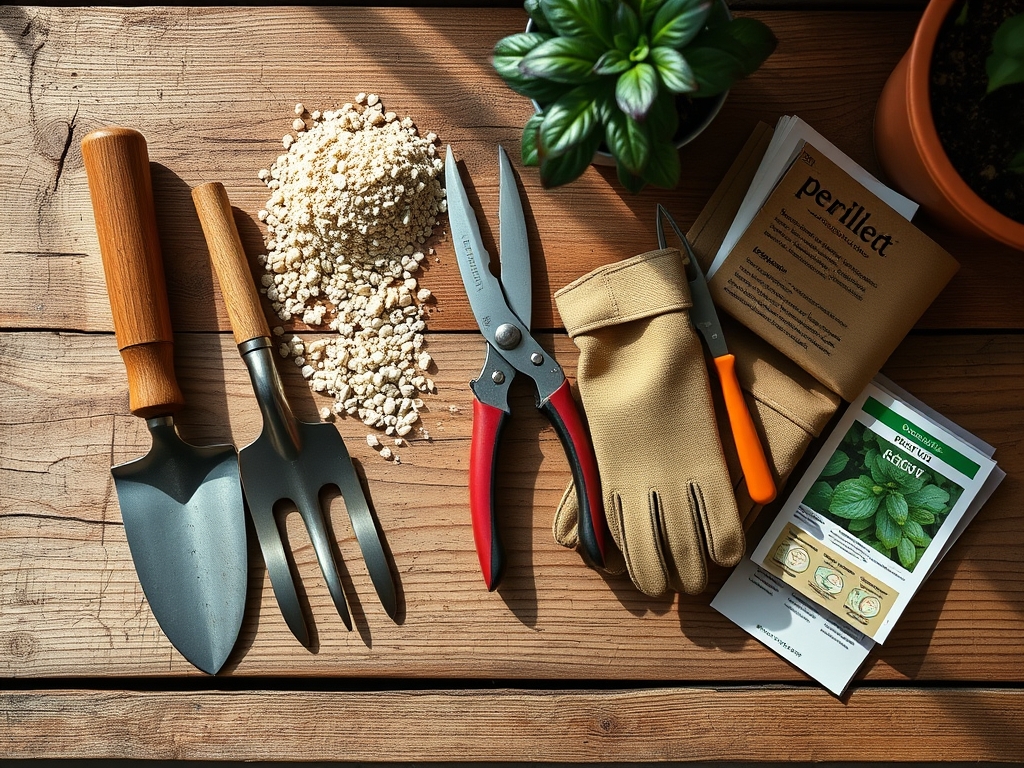
Materials:
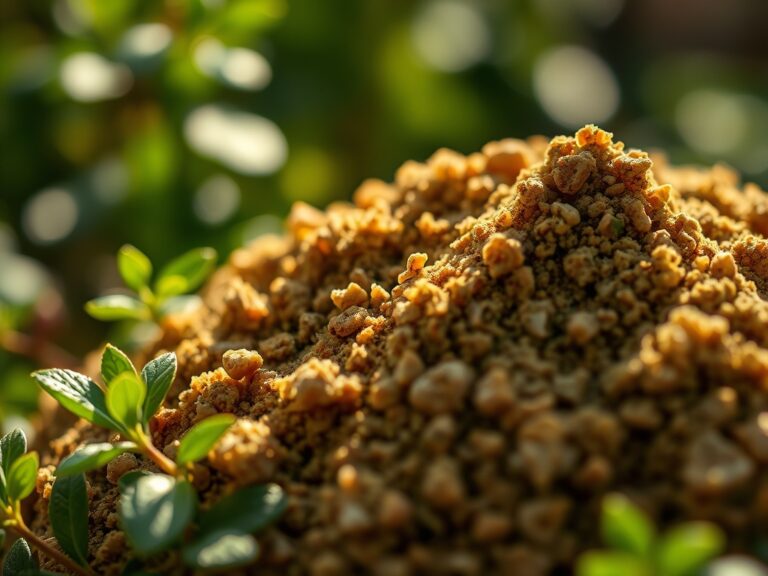
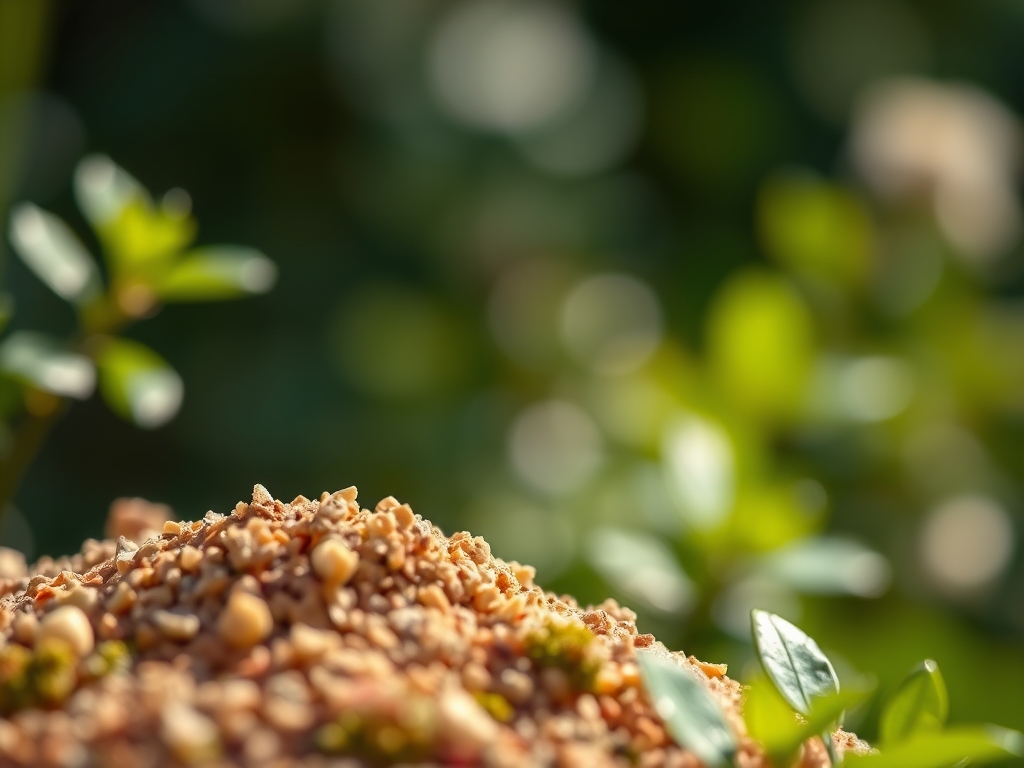
The ideal substrate for high-performance horticulture is a friable loam with a **Cation Exchange Capacity (CEC) between 10 and 20 meq/100g**. Perlite itself is chemically inert with a neutral **pH of 7.0 to 7.5**, making it the perfect additive for stabilizing acidic peat-based mixes. To maximize the benefits of the best perlite for soil drainage, combine it with a base medium that targets a specific NPK ratio of **10-5-5** for vegetative growth or **5-10-10** for flowering stages. The physical texture should be gritty and non-clumping. Use coarse-grade perlite with particle sizes ranging from **3mm to 6mm** to ensure maximum interstitial space. Avoid “fine” perlite in heavy containers as it can settle at the bottom, creating a perched water table that leads to localized saturation.
Timing:
Successful implementation depends on the local frost-date windows and the specific requirements of your Hardiness Zone. In Zones 5 through 7, the primary window for soil amendment begins in early spring, approximately three weeks before the last predicted frost. This allows the soil biology to stabilize before the biological clock triggers the transition from dormant to vegetative stages. As soil temperatures reach a consistent 55 to 60 degrees Fahrenheit, the microbial activity within the rhizosphere accelerates. Incorporating perlite during this period ensures that as the plant enters its high-growth phase, the root architecture has immediate access to oxygen. For photoperiod-sensitive species, this timing is critical; poor drainage during the transition to the reproductive stage can cause physiological stress that reduces total floral yield or fruit set.
Phases:
Sowing
When starting seeds, use a ratio of 30 percent perlite to 70 percent seed-starting mix. This ensures that the delicate radicle can penetrate the medium without resistance. Maintain a consistent temperature of 70 degrees Fahrenheit for most temperate species.
Pro-Tip: High oxygen levels in the germination medium prevent "damping off" caused by fungal pathogens. This works because increased aeration limits the anaerobic conditions that Pythium species require to colonize the stem tissue at the soil line.
Transplanting
When moving a plant to its permanent location, integrate the best perlite for soil drainage into the backfill at a 20 percent volume. Dig a hole twice the width of the root ball. Ensure the transition zone between the nursery pot soil and the native soil is seamless to prevent "root circling."
Pro-Tip: Mycorrhizal symbiosis is enhanced in aerated soils. The fungi require oxygen to extend their hyphae, which effectively increases the root surface area by up to 1,000 percent, allowing for superior phosphorus uptake.
Establishing
During the first 14 to 21 days post-transplant, monitor the moisture levels daily. The plant is focusing energy on root expansion rather than leaf production. This is the period of "auxin redirection," where the plant sends growth hormones downward to establish a firm anchor.
Pro-Tip: Avoid heavy nitrogen fertilization during establishment. High nitrogen levels can cause "auxin suppression" in the roots, leading to a weak foundation and a plant that is more susceptible to lodging during high winds.
The Clinic:
Physiological disorders often mimic nutrient deficiencies. Use this guide to diagnose and rectify issues within the rhizosphere.
- Symptom: Interveinal Chlorosis (Yellowing between veins).
- Cause: Iron or Magnesium deficiency, often caused by a pH above 7.5 or waterlogged soil preventing nutrient uptake.
- Solution: Check soil pH. If the soil is saturated, increase the perlite concentration to 35 percent to improve drainage and lower the water table.
- Symptom: Leaf Epinasty (Downward curling or twisting).
- Cause: Ethylene buildup due to anaerobic conditions in the root zone.
- Solution: Use a soil moisture meter to confirm saturation. If the meter reads above 80 percent for more than 48 hours, mechanical aeration or re-potting with coarse perlite is required.
- Symptom: Tip Burn on New Growth.
- Cause: Calcium deficiency resulting from low transpiration rates.
- Solution: Increase airflow and ensure the soil is not "caked." Calcium moves through the plant via the transpiration stream; if the soil is too wet, the plant cannot "breathe," and calcium fails to reach the growing tips.
Fix-It for Nitrogen Chlorosis: If lower leaves turn uniform pale yellow, apply a water-soluble fertilizer with a 20-20-20 ratio at half strength. The improved drainage from the perlite will allow the nitrogen to reach the roots without being leached away by standing water.
Maintenance:
Precision watering is the hallmark of a professional. Most established perennials require 1.5 inches of water per week delivered directly at the drip line to encourage outward root growth. Use a hori-hori knife to check for soil compaction every six months; if the blade cannot penetrate 6 inches with moderate pressure, the soil requires top-dressing with organic matter and perlite. For woody shrubs, use bypass pruners to remove any dead or crossing branches, which improves light penetration to the lower canopy. Always verify moisture levels with a soil moisture meter before irrigation; the surface may appear dry while the root zone remains at field capacity.
The Yield:
For those cultivating for harvest, timing is dictated by the senescence of the plant. For leafy greens, harvest when turgor is highest, typically before 8:00 AM. For fruiting crops, wait until the abscission layer has fully formed at the base of the fruit stem. Post-harvest, immediately move the produce to a cool environment (35 to 40 degrees Fahrenheit) to slow the metabolic rate. This preserves the sugars and acids, ensuring "day-one" freshness and maximum nutritional density.
FAQ:
How does perlite improve drainage?
Perlite creates permanent macroscopic pores in the soil. These voids allow excess gravitational water to exit the rhizosphere while trapping essential oxygen. This prevents soil compaction and ensures that roots can access the air needed for metabolic processes.
Can I reuse perlite from old pots?
Yes, perlite is a durable volcanic glass that does not decompose. However, it must be sterilized to remove pathogens. Soak it in a 10 percent bleach solution for 20 minutes and rinse thoroughly before incorporating it into new soil mixes.
Does perlite change the soil pH?
Perlite is chemically inert and has a neutral pH range of 7.0 to 7.5. It will not significantly alter the acidity or alkalinity of your soil, making it a safe additive for both acid-loving and alkaline-tolerant plant species.
What is the best ratio for heavy clay?
For heavy clay soils, incorporate a minimum of 25 to 30 percent coarse perlite by volume. This physically breaks the plate-like structure of the clay particles, allowing for better water infiltration and preventing the soil from turning into a hard, impenetrable crust.