10 Pro Tips How to Use Soil knives
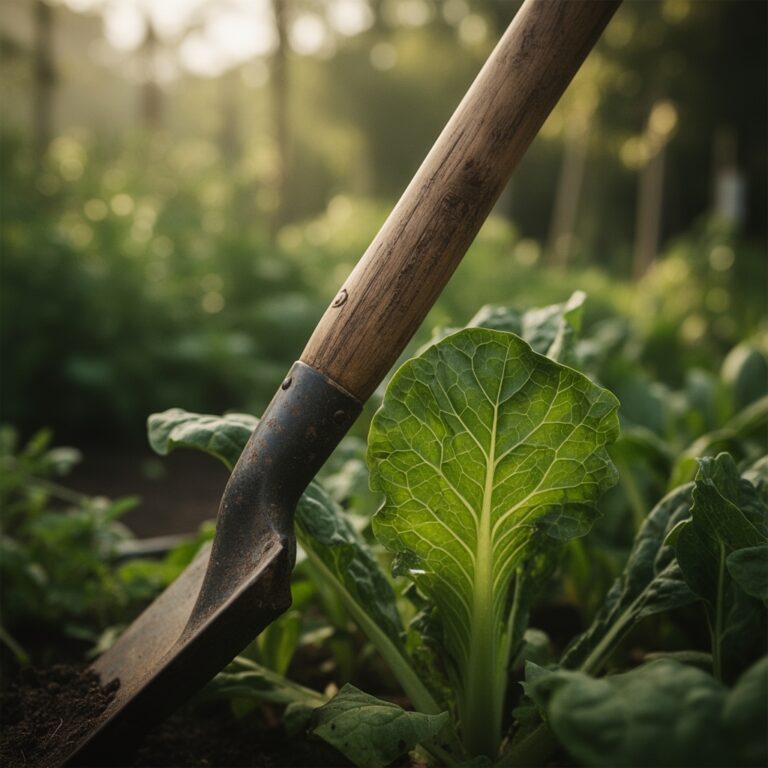
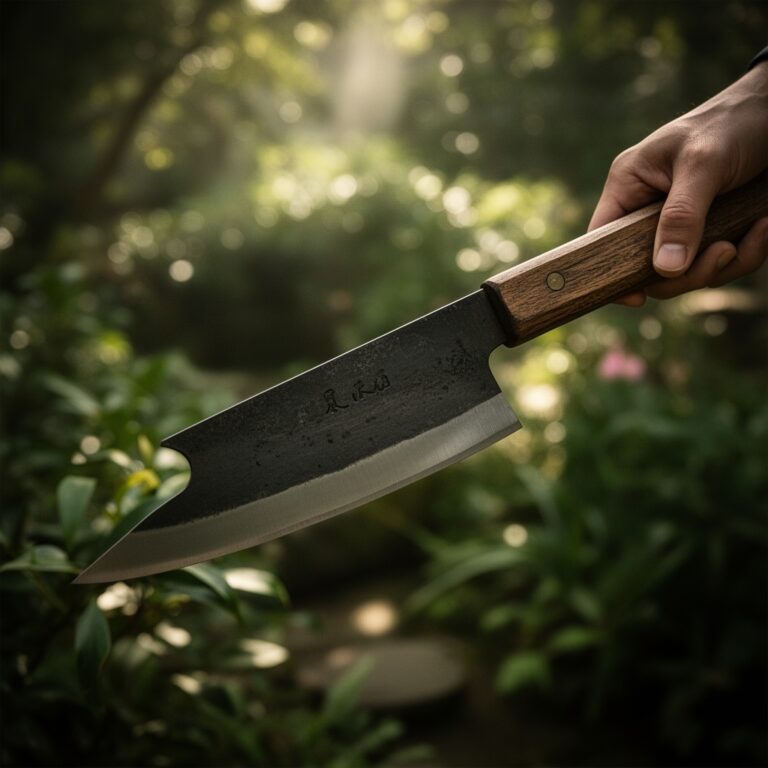
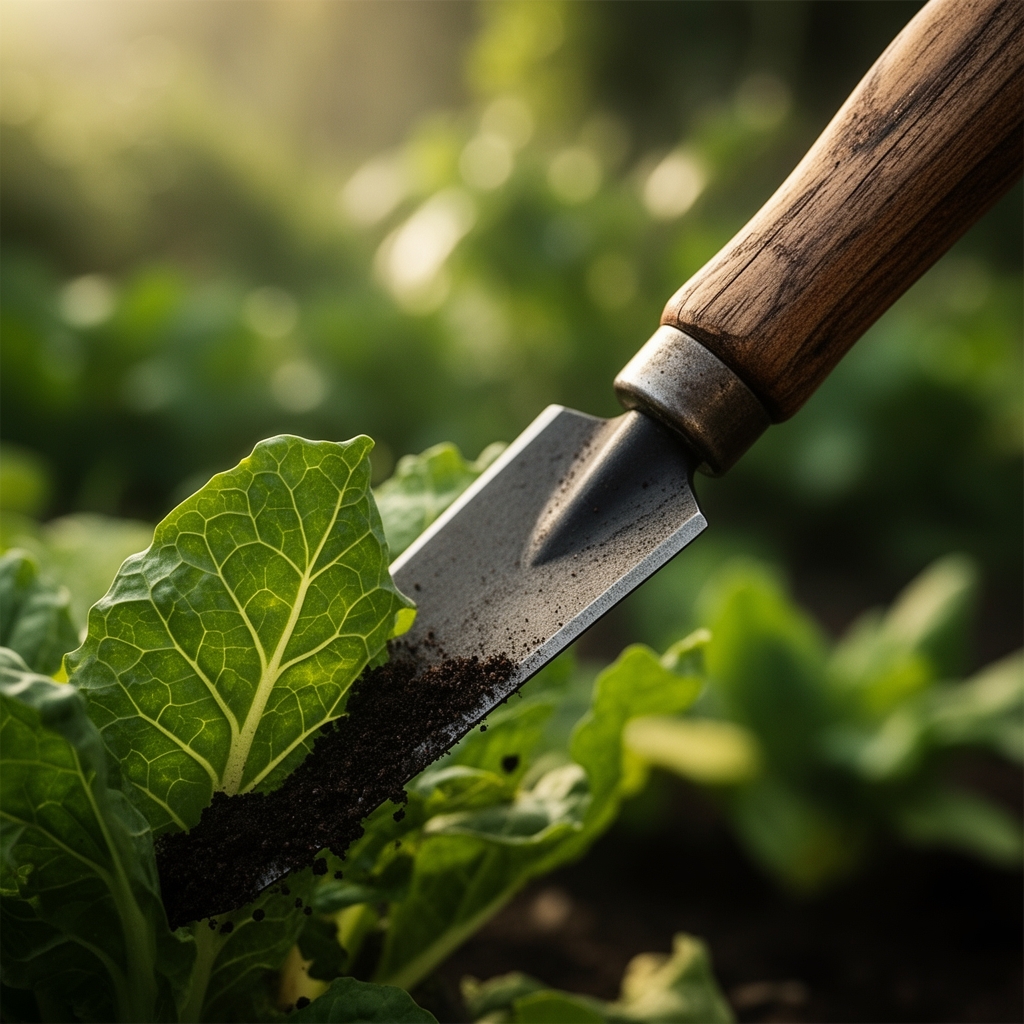
The blade slides through compacted clay with less effort than a trowel ever could. Learning how to use soil knives transforms repetitive garden tasks into precise operations. These single-bladed tools, originally designed for soil sampling in agricultural research, now serve as the multi-function workhorse for serious gardeners. The serrated edge cuts roots, the marked blade measures depth, and the narrow profile penetrates without disturbing surrounding soil structure.
Materials and Soil Preparation
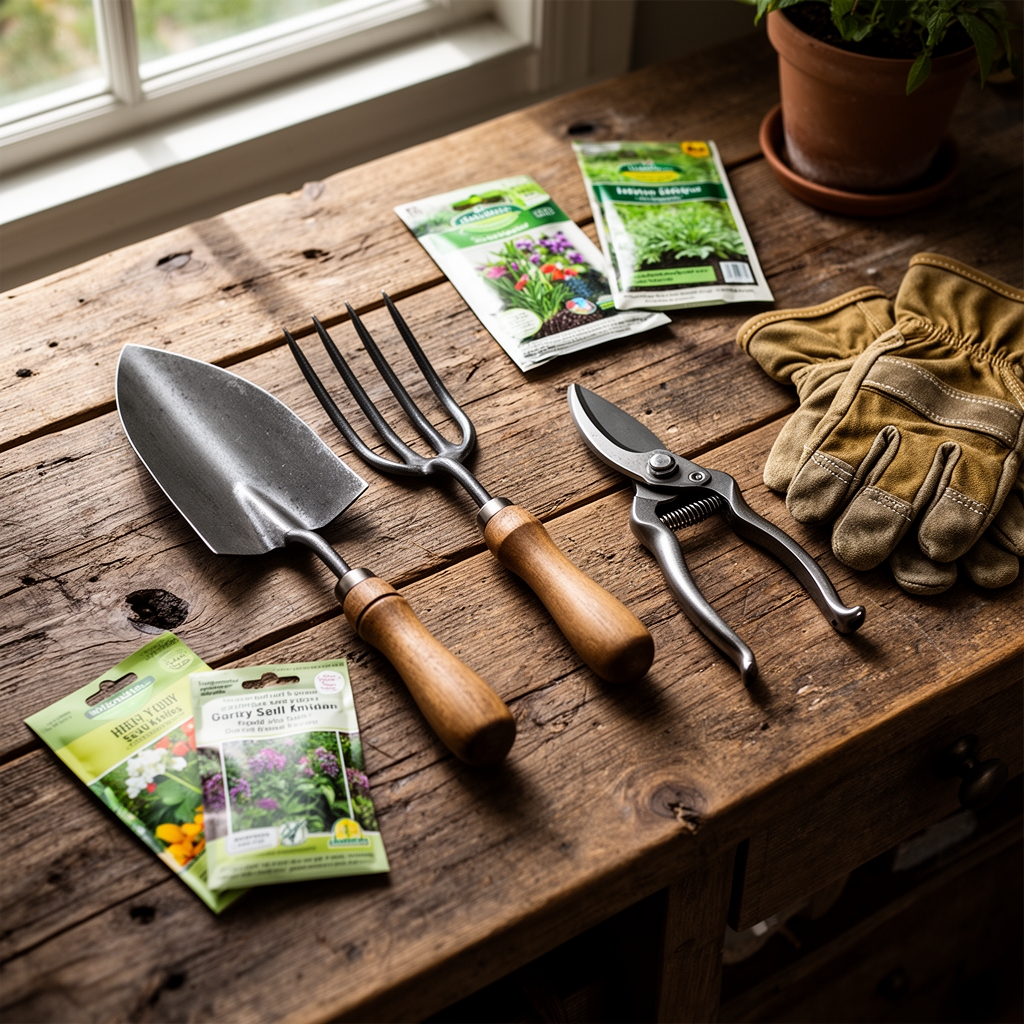
Begin with a stainless steel or carbon steel blade between 6 and 8 inches long. Stainless resists corrosion in acidic soils below pH 6.0. Carbon steel holds a sharper edge for cutting fibrous roots but requires oil after each use in humid climates. The handle material matters. Leather-wrapped handles provide grip in wet conditions but harbor bacteria. Molded polymer handles sterilize easily between cuts when working with disease-prone specimens.
Soil amendments integrate faster when scored with vertical cuts. Before applying a 4-4-4 organic meal blend, create a grid pattern 4 inches deep and 6 inches apart across the bed. This increases cation exchange capacity by 15 to 20 percent compared to surface broadcasting. For acid-loving specimens, incorporate sulfur at 1.5 pounds per 100 square feet through similar scoring. The knife distributes amendments into the root zone without the compaction caused by tilling.
Mycorrhizal fungi inoculants require direct contact with root tissue. Use the soil knife to open a vertical slit 3 inches from the stem. Pour granular inoculant into the gap, then press soil closed. This method shows 40 percent better colonization rates than surface dusting.
Timing by Hardiness Zone
In Zones 3 through 5, soil knives work best after the ground thaws to 4 inches deep, typically 2 to 3 weeks after the last frost date. Frozen soil dulls blades and risks handle fracture. Spring transplanting begins when soil temperature reaches 50°F at 4 inches depth. Use the marked blade to verify depth before committing bare-root stock.
Zones 6 through 8 allow year-round use except during waterlogged conditions. Clay soils in these zones benefit from fall aeration. Drive the blade vertically every 8 inches across compacted paths in late September. This prevents anaerobic conditions over winter.
Zones 9 through 11 require attention to dry-season hardpan. Summer soil often crusts to concrete hardness. Morning work, when residual moisture remains, reduces blade wear. The knife breaks surface seals that prevent water penetration during monsoon irrigation.
Phases of Use
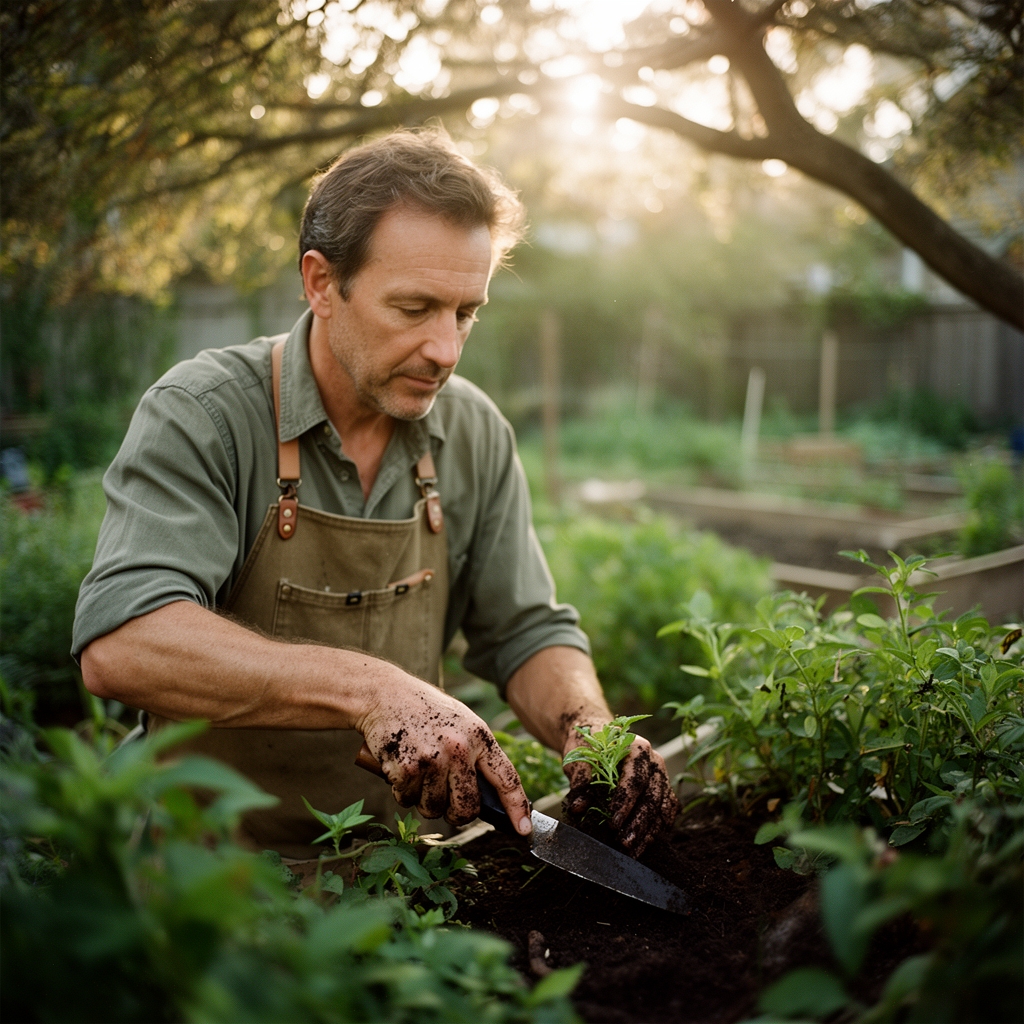
Sowing Phase
Direct seeding in heavy soils demands precision. The blade creates uniform furrows at exact depths. For crops requiring 0.5-inch depth, use the etched measurements rather than estimating. Draw the blade along a taut string line, angling 15 degrees from vertical. This creates a V-shaped furrow that concentrates moisture at the seed.
Pro-Tip: Cut perpendicular slits every 12 inches along the furrow. These cross-cuts break capillary action that draws seedlings toward clumped emergence.
Transplanting Phase
Root-bound transplants fail when roots circle indefinitely. Score root balls vertically in four places before planting, cutting 0.25 inches deep. This severs circling roots and stimulates auxin distribution to lateral growth points. The soil knife makes cleaner cuts than hand-tearing, which crushes vascular tissue.
Bare-root specimens require matched hole geometry. Cut straight-sided planting holes rather than tapered holes dug with a trowel. Vertical walls prevent root deflection and J-rooting. The knife's narrow profile minimizes soil disturbance, preserving natural aggregate structure.
Pro-Tip: Slice away glazed hole sides in clay soils. The compressed layer created during digging acts as a barrier. Roughen walls with shallow horizontal cuts to allow root penetration.
Establishing Phase
First-season competition from perennial weeds determines long-term success. The soil knife severs taproots 4 to 6 inches below the surface. Insert the blade vertically beside the weed crown, rock the handle 30 degrees forward, then pull. This technique removes dandelion and dock with 90 percent of the taproot intact.
Mulch integration proceeds faster with subsurface placement. Lift existing mulch, score the soil surface in a crosshatch pattern 1 inch deep, apply compost or aged mulch, then replace the top layer. Organic matter enters the root zone directly rather than decomposing on the surface.
Pro-Tip: Test soil moisture at root depth, not at the surface. Insert the blade to 6 inches, withdraw, and examine soil clinging to the metal. Moist soil adheres in a continuous film. Dry soil falls away as separate particles.
Troubleshooting Common Issues
Symptom: Blade binds in clay during insertion.
Solution: Sharpen the primary bevel to 20 degrees. Coat the blade with vegetable oil before use. Work when soil moisture content reaches field capacity, approximately 24 hours after irrigation.
Symptom: Handle separates from tang after repeated use.
Solution: Full-tang construction prevents this failure. Replace partial-tang models. Tighten compression rivets quarterly with a ball-peen hammer and anvil.
Symptom: Rust pitting appears on carbon steel blades.
Solution: Clean soil residue immediately after use. Apply food-grade mineral oil to the entire blade. Store in a low-humidity environment below 50 percent relative humidity.
Symptom: Serrations tear roots instead of cutting cleanly.
Solution: Sharpen serrations with a triangular file matched to the gullet width. Maintain 15-degree angles on each tooth face. Replace blades when serration depth falls below 2mm.
Symptom: Measurements wear off marked blades.
Solution: Re-mark depth indicators with etching compound or a rotary engraver. Coat marks with contrasting epoxy paint. Verify accuracy against a ruler before field use.
Maintenance Protocols
Sterilize blades between plants when working with susceptible species. A 10 percent bleach solution (9 parts water to 1 part household bleach) requires 60 seconds contact time. Alcohol at 70 percent concentration needs only 30 seconds but evaporates quickly in sun. Flame sterilization over a propane torch works immediately but degrades blade temper if held longer than 5 seconds.
Sharpen serrated edges every 20 hours of use in rocky or sandy soils. Smooth edges need attention every 40 hours. A 10-inch mill file at 20 degrees restores the factory bevel. Honing with a 1000-grit waterstone adds a microburr that slices fibrous roots cleanly.
Apply 0.5ml of food-grade mineral oil to carbon steel after each use. Stainless steel requires oil only monthly. Leather handles need saddle soap quarterly to prevent cracking. Polymer handles tolerate pressure washing but check for stress cracks around tang holes annually.
Store knives in sheaths to protect edges and prevent injury. Wall-mounted magnetic strips keep blades accessible and visible for pre-use inspection. Horizontal storage prevents handle warping in wooden models.
FAQ
How deep should I insert a soil knife for transplanting?
Insert to the full marked depth of the root ball plus 2 inches. This prevents the transplant from settling below grade, which causes crown rot in poor-draining soils.
Can soil knives replace trowels completely?
For most tasks, yes. Trowels excel only at scooping loose material. Soil knives cut, measure, pry, weed, and aerate with one tool. Carry both only when moving large volumes of compost.
What blade length works best for container gardening?
A 5 to 6 inch blade prevents damage to container bottoms. Full-length blades risk puncturing plastic or fabric pots during root inspection.
How do I prevent wrist strain during extended use?
Maintain a neutral wrist angle. Let the blade's weight and sharp edge do the work. Switch hands every 15 minutes. A handle diameter between 1 and 1.25 inches reduces grip fatigue.
Should I choose serrated or smooth edges?
Serrated edges cut roots and sod efficiently but require specialized sharpening. Smooth edges handle general tasks and sharpen easily with standard files. Combination edges offer versatility for mixed operations.